Butternut Squash
Sweet winter squash rich in vitamin A and fiber.
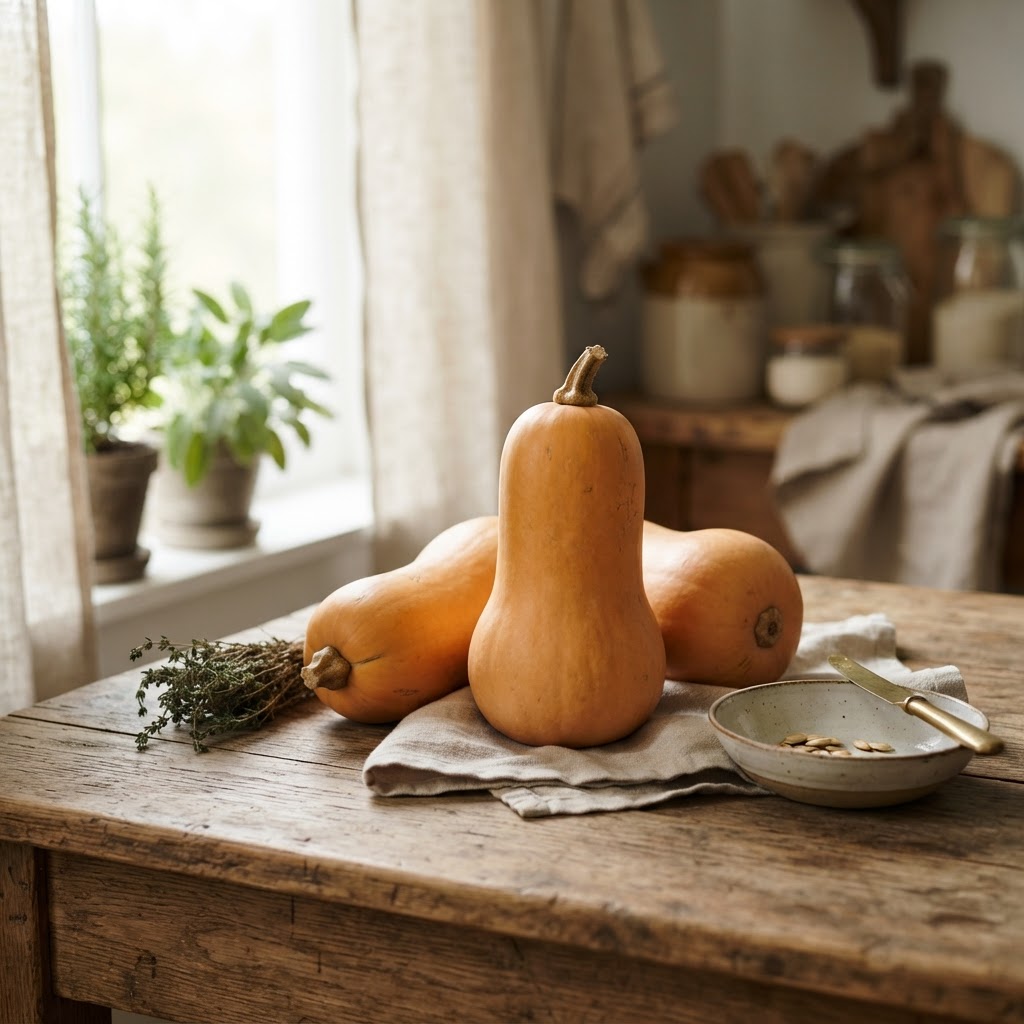
Butternut squash is a quintessential cold-weather comfort food, offering a smooth, velvety texture and a natural, deep sweetness that elevates any meal. As a nutrient-dense powerhouse, it provides versatile culinary possibilities while delivering essential vitamins that support long-term metabolic and neurological health.
Quick Facts
Nutrition Snapshot
Health Benefits
What the Research Says
Observational studies indicate that long-term intake of carotenoid-rich vegetables is associated with a slower rate of cognitive decline in older adults.
Clinical research confirms that the complex carbohydrates and fiber in winter squash result in a favorable, low-glycemic response compared to starchy white vegetables.
How to Cook It
Preparation Tips
- •Roast cubes with avocado oil and cinnamon to maximize the caramelization of natural sugars.
- •Purée cooked squash into soups or sauces to create a creamy texture without the need for dairy.
- •Save the seeds and toast them with sea salt for a protein-rich, magnesium-heavy snack.
Flavor Pairings
- •Sage
- •Nutmeg
- •Toasted Pecans
- •Maple Syrup
Storage Tips
- •Keep whole squash in a cool pantry or basement; it can last for up to two months if kept dry.
- •Once peeled or cut, store in an airtight container in the refrigerator and use within 5 days.
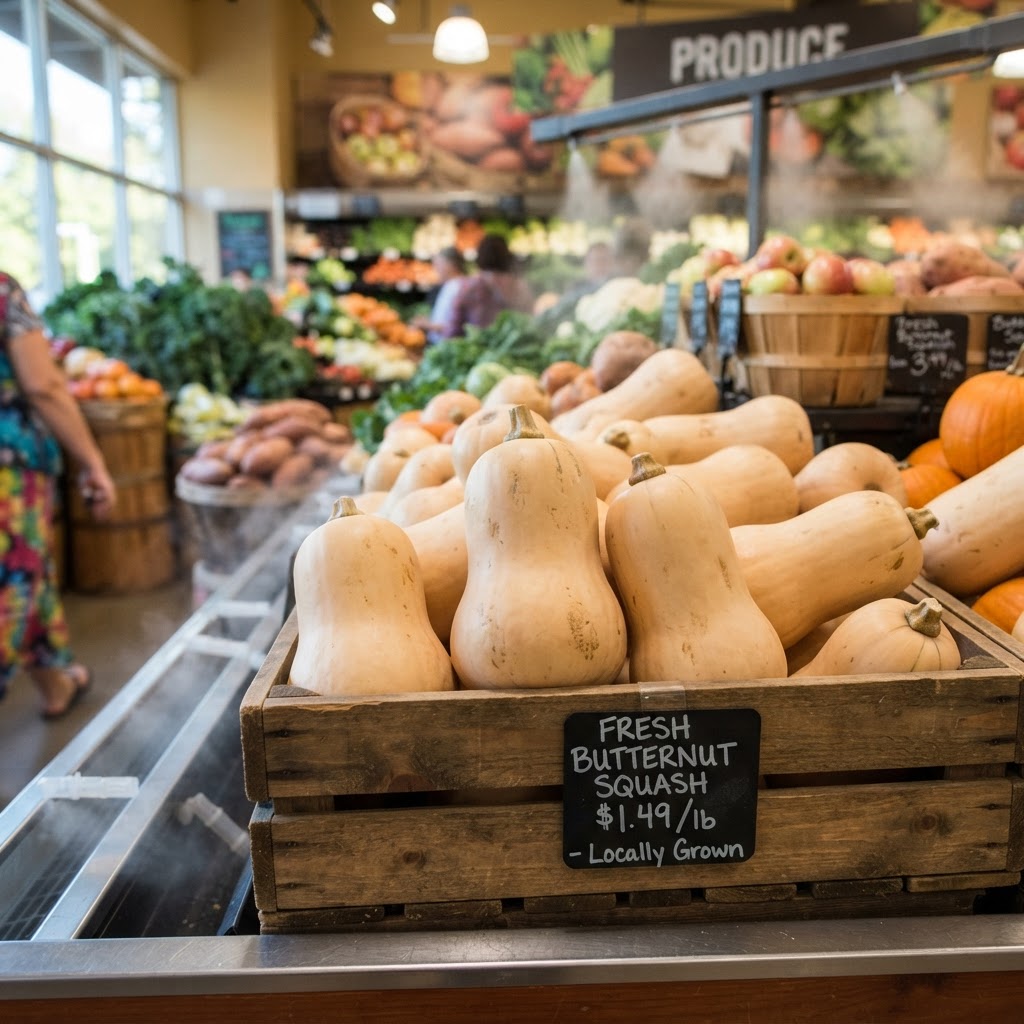
How to Pick the Best One at the Store
Selection Tips
- •Look for a squash that feels heavy for its size, indicating high water content and fresh flesh.
- •Check the rind for a matte finish; a shiny rind often indicates the squash was picked too early.
- •Ensure the stem is firm and intact; a missing stem can lead to premature rotting.
- •Avoid any squash with deep dents, soft spots, or cracks on the surface.
Recipes Using Butternut Squash
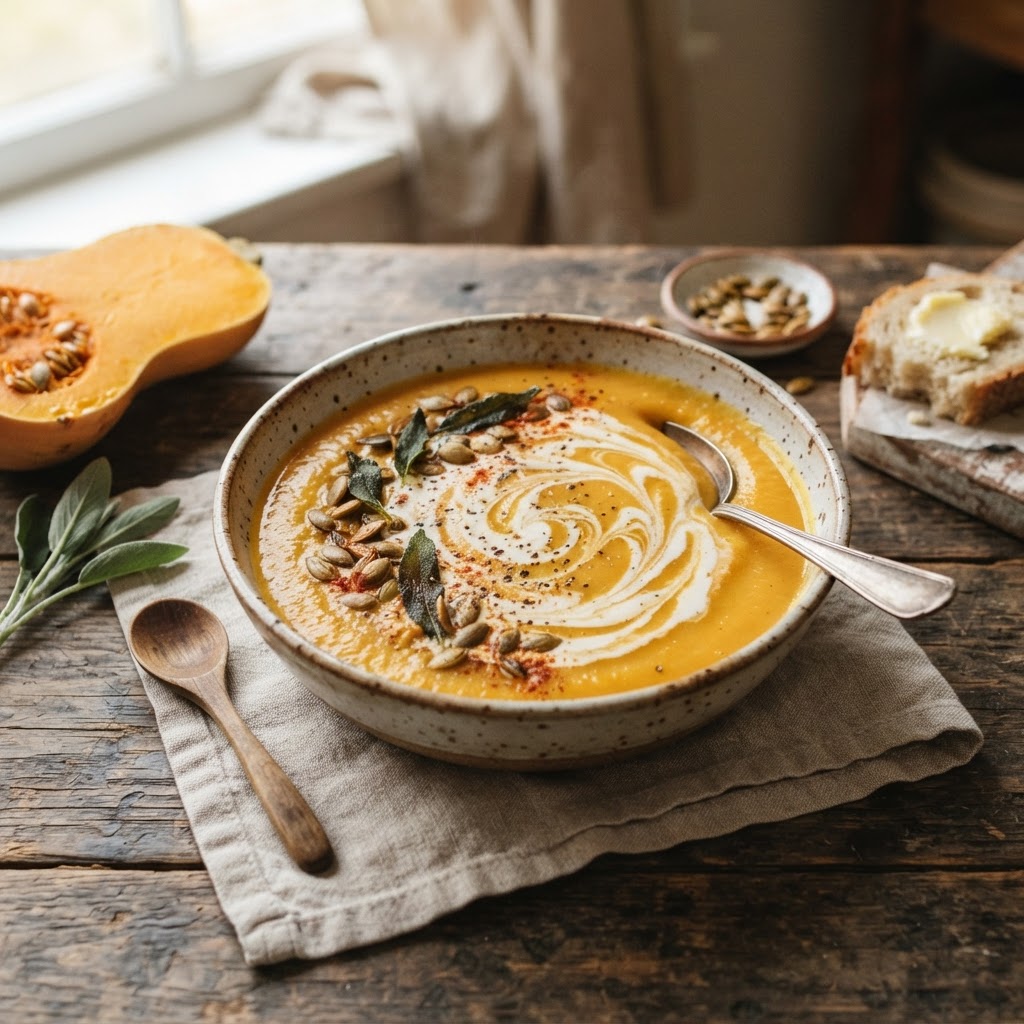
Creamy Butternut Squash Soup
A velvety, nutrient-dense soup perfect for nourishing the body during recovery.
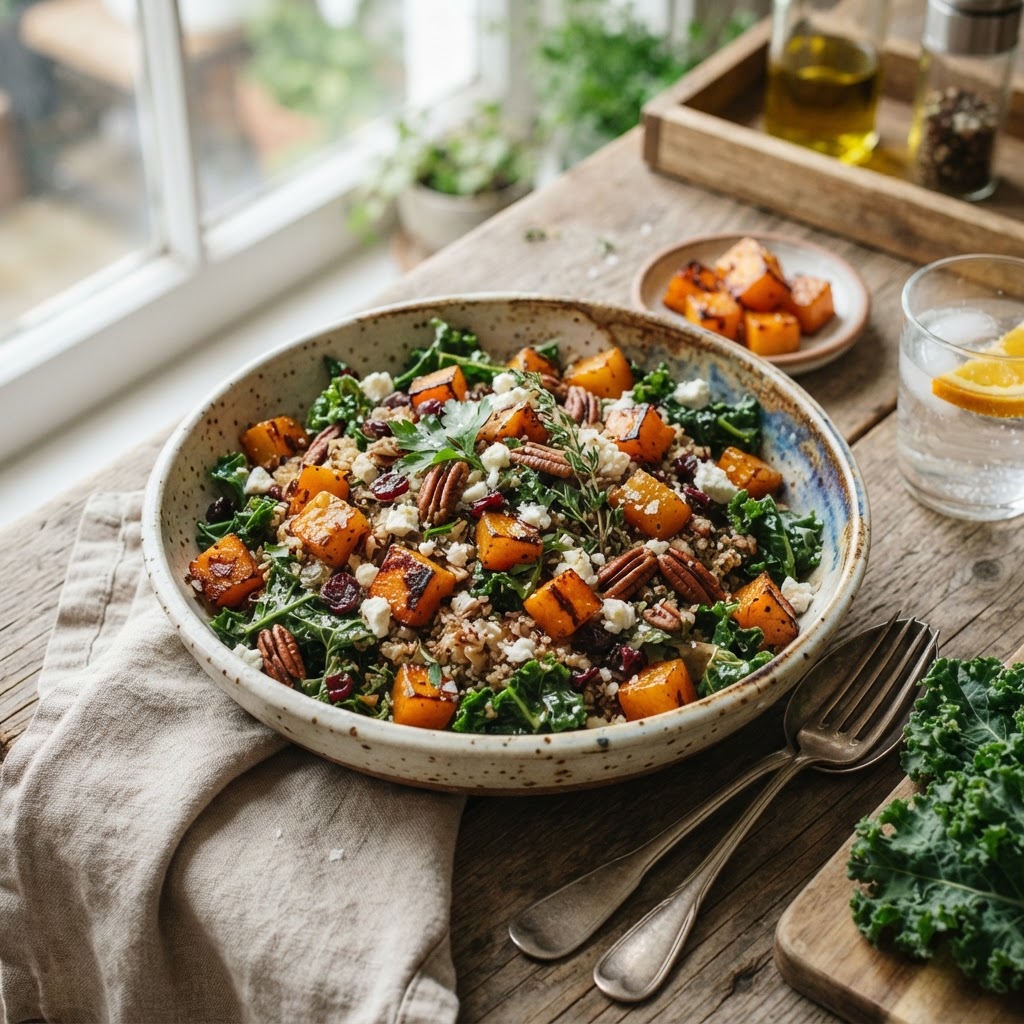
Butternut Squash and Kale Salad
A hearty salad that combines the sweetness of squash with the crisp nutrition of kale.
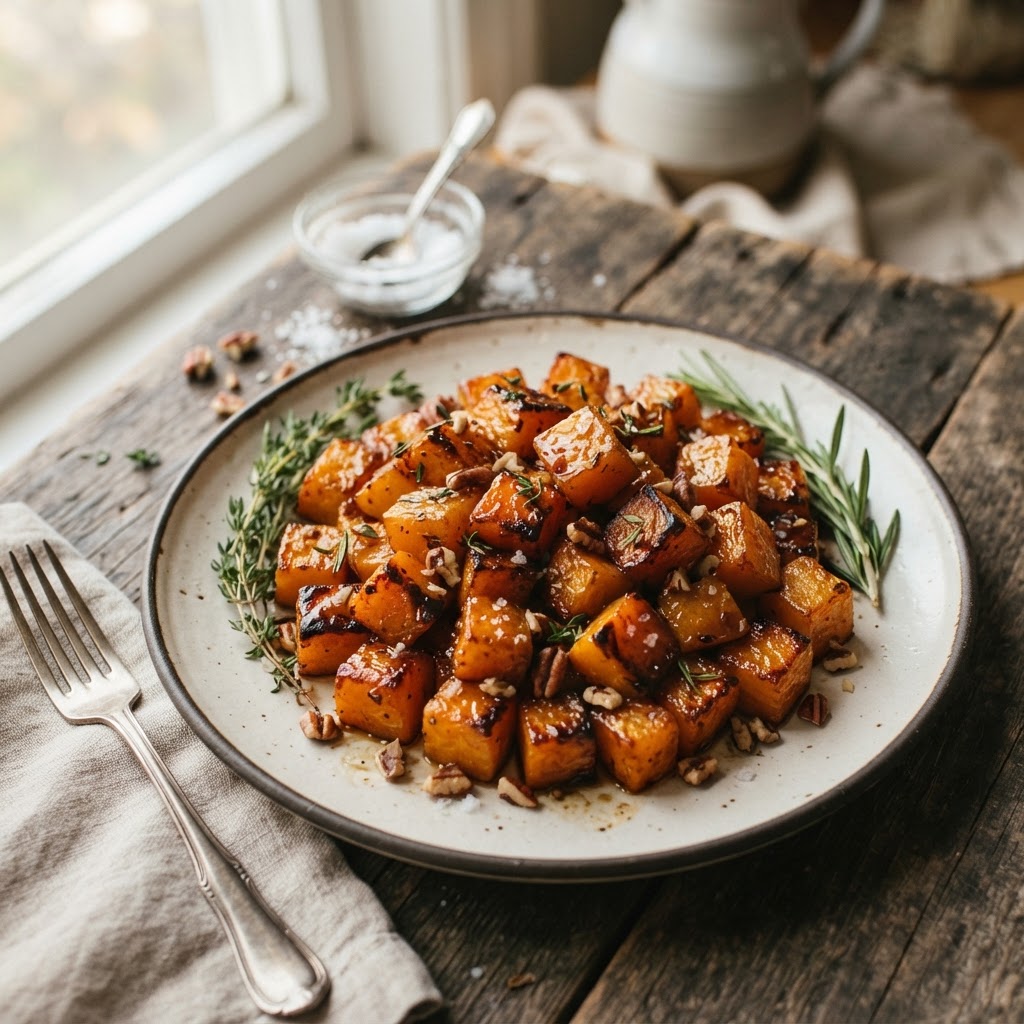
Maple Roasted Butternut Squash
This naturally sweet squash provides sustained energy and supports stable blood sugar levels.
Frequently Asked Questions
Is butternut squash safe for a diabetic diet?
Yes. While it is a starchy vegetable, its high fiber content helps manage glycemic response, making it a better choice than processed white carbohydrates.
Can I eat the skin of a butternut squash?
While the skin is technically edible once roasted, it is very tough; most prefer to peel it before cooking for a better mouthfeel.