Bell Peppers
Sweet, crunchy peppers loaded with vitamin C.
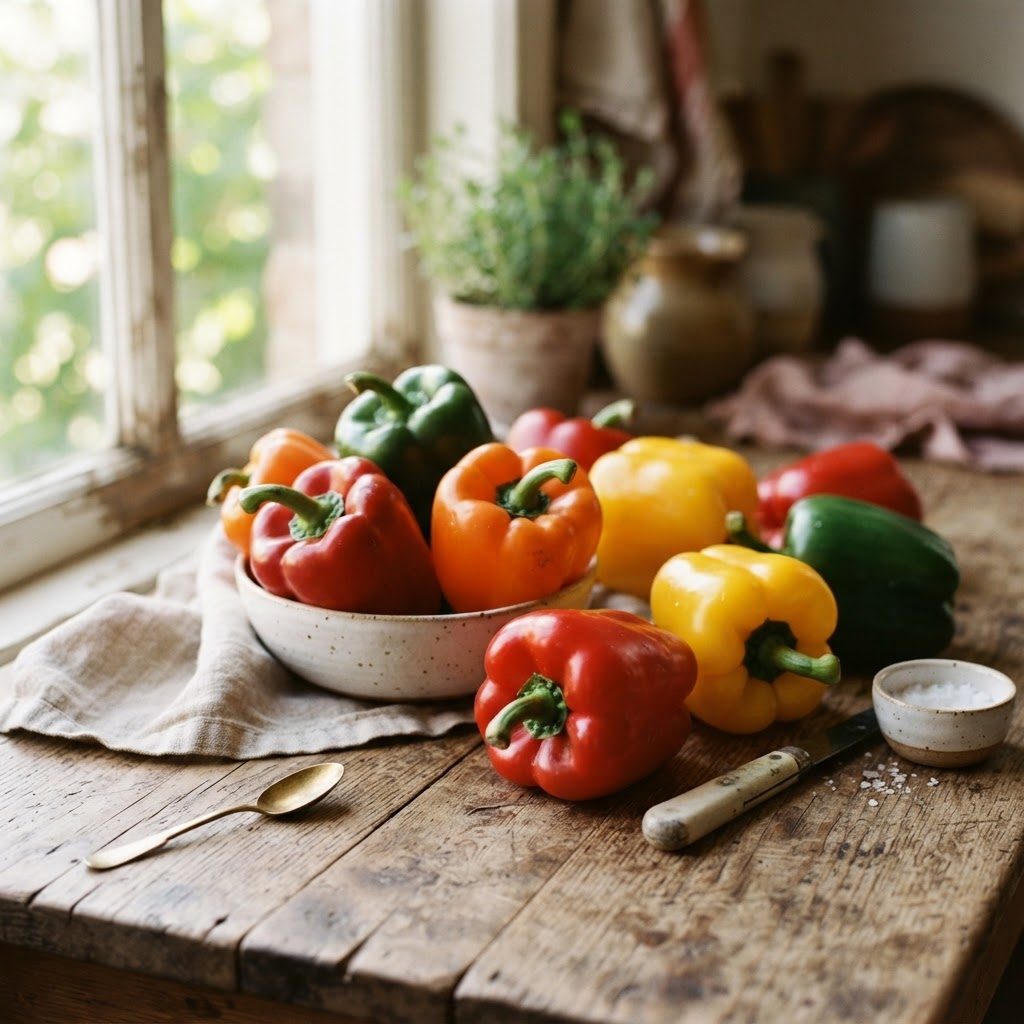
Bell peppers are vibrant, versatile nightshades that add a satisfying crunch and a subtle, honeyed sweetness to any meal. More than just a colorful culinary staple, these vegetables are nutritional powerhouses packed with vitamins and antioxidants that help stabilize energy levels and protect long-term brain health.
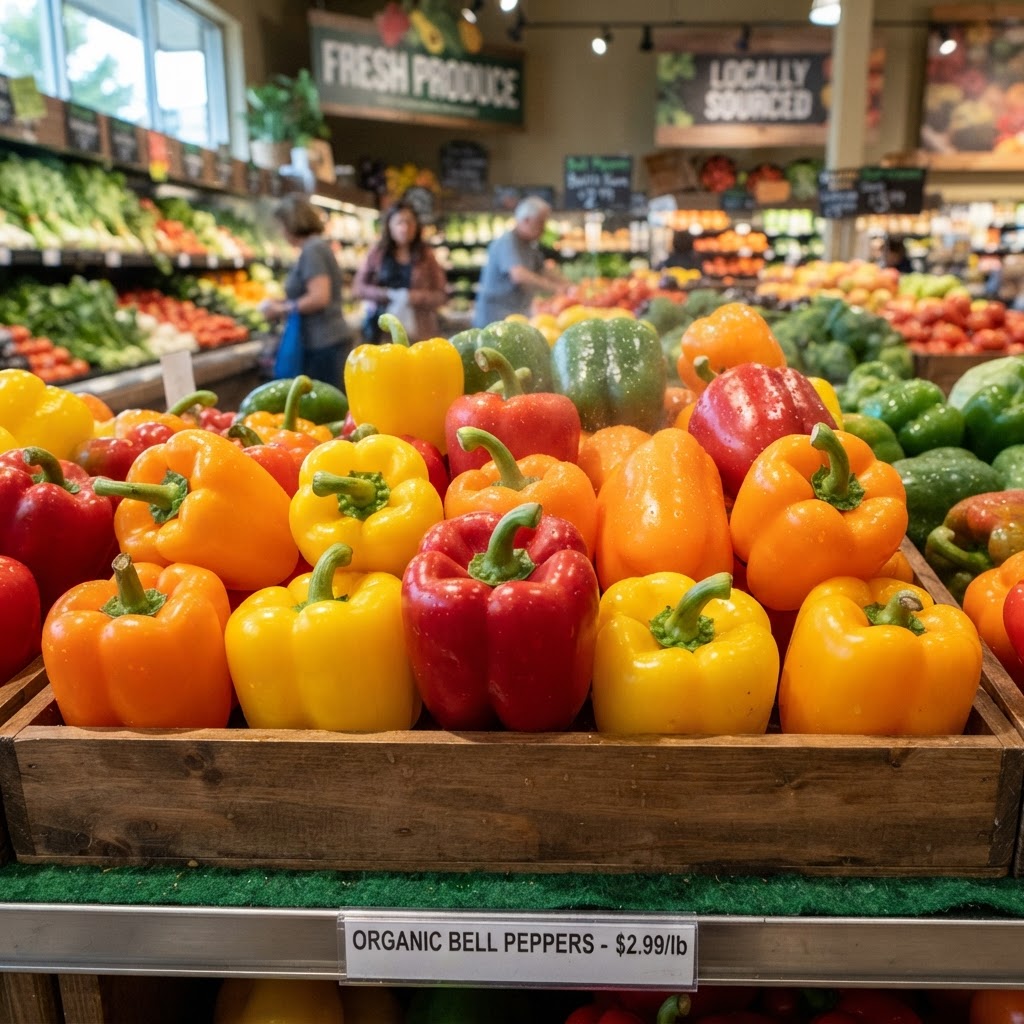
Quick Facts
Nutrition Snapshot
Health Benefits
What the Research Says
Studies consistently show that the high carotenoid content in bell peppers significantly reduces markers of systemic inflammation in the body.
Clinical trials suggest that adding non-starchy vegetables like peppers to a carbohydrate-rich meal effectively blunts the post-prandial insulin response.
How to Cook It
Preparation Tips
- •Roast peppers whole until blackened, then peel the skin to unlock a deep, smoky sweetness perfect for sauces.
- •Slice them into long strips and sauté on high heat for three minutes to keep them crisp-tender for stir-fries.
- •Use raw bell pepper strips as a healthy, fiber-rich vessel for hummus instead of crackers.
Flavor Pairings
- •Garlic
- •Feta Cheese
- •Fresh Basil
- •Smoked Paprika
Storage Tips
- •Store away from ethylene-producing fruits like apples to maintain their crispness.
- •Wait to wash your peppers until right before you use them to prevent premature decay.
How to Pick the Best One at the Store
Selection Tips
- •Choose peppers that have a firm, taut skin without visible wrinkling.
- •Look for a bright, vibrant color and a stem that is green and healthy rather than dry or brown.
- •Hold the pepper in your hand; a high-quality pepper should feel heavy for its size, indicating a high water content and freshness.
- •Ensure the surface is free of soft spots, pits, or dark bruises.
Recipes Using Bell Peppers
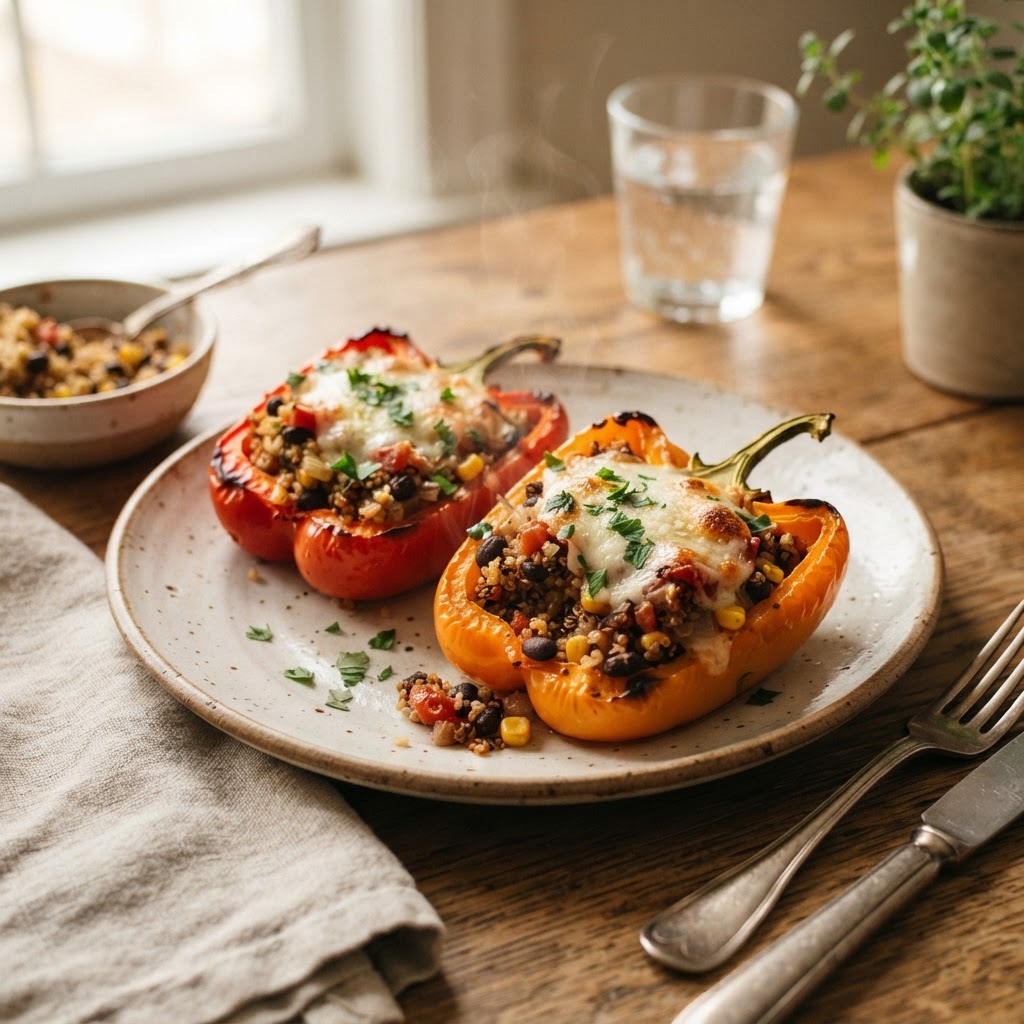
Stuffed Bell Peppers with Quinoa
Vibrant bell peppers stuffed with protein-packed quinoa for a complete and healing dinner.
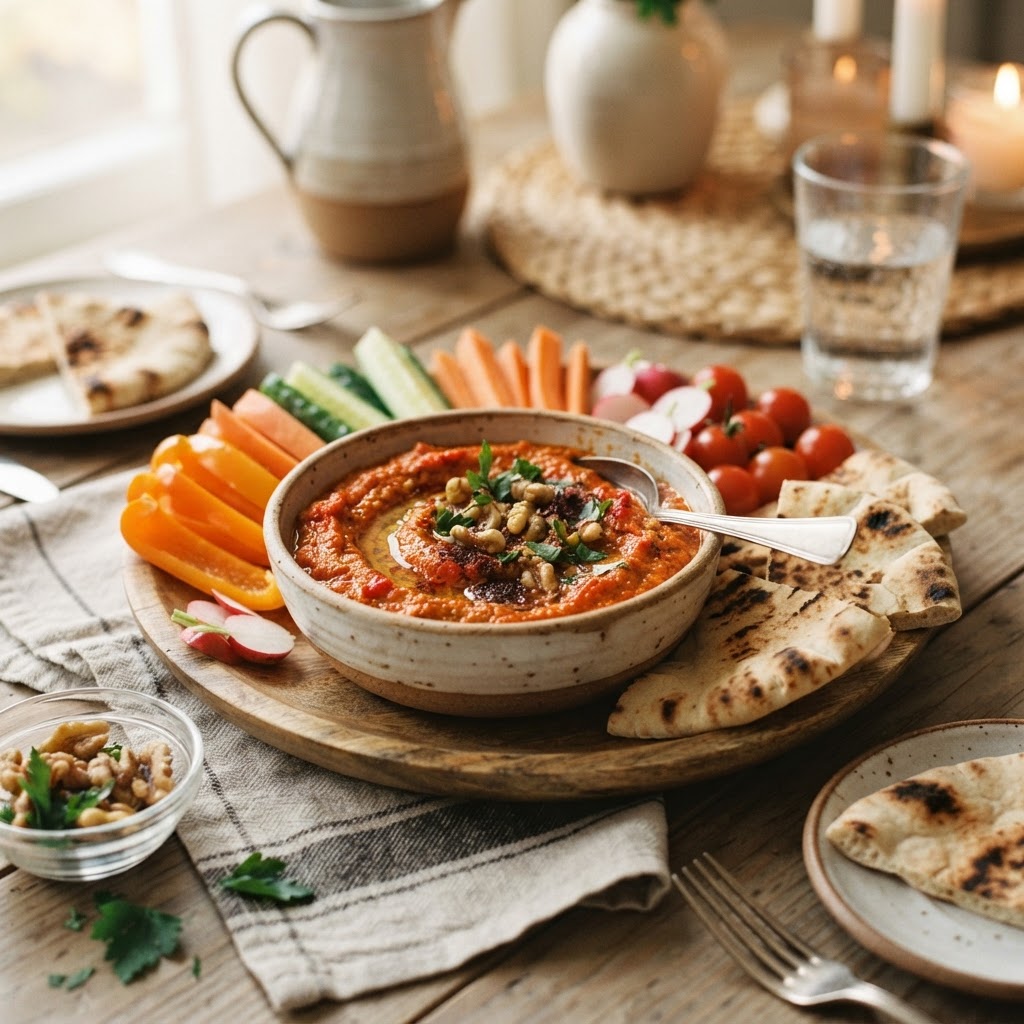
Roasted Bell Pepper Dip
A smoky and creamy dip made with roasted bell peppers, perfect for raw vegetable dipping.

Bell Pepper Breakfast Hash
A colorful start to the day using sautéed peppers and onions to provide essential vitamins.
Frequently Asked Questions
Are red bell peppers healthier than green ones?
Yes, red bell peppers are technically mature green peppers; they contain significantly more Vitamin C and A, as well as higher concentrations of beneficial phytonutrients.
Can bell peppers cause digestion issues?
For most people, they are well-tolerated. However, because they are nightshades, individuals with specific sensitivities may find them harder to digest if eaten raw, in which case cooking or peeling them can help.