Acorn Squash
Mildly sweet winter squash high in fiber and potassium.
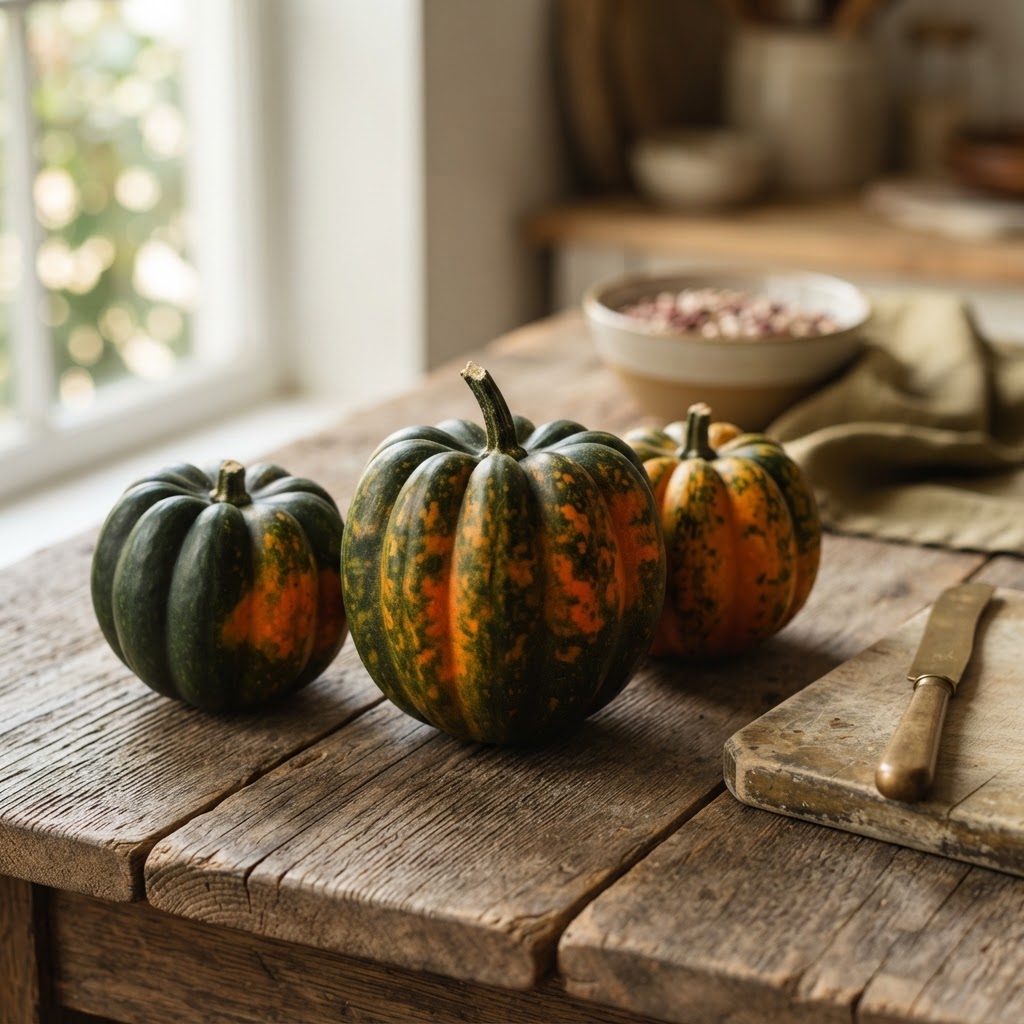
Acorn squash is a quintessential autumnal delight, prized for its deeply ridged, dark green exterior and tender, golden-orange flesh. Its mild, nutty sweetness provides a comforting, nutrient-dense base that easily absorbs complex flavors, making it an essential ingredient for nourishing seasonal meals. Perfectly suited for health-conscious kitchens, this winter squash offers a satisfying, wholesome profile that supports stable blood sugar and long-term brain health.
Quick Facts
Nutrition Snapshot
Health Benefits
What the Research Says
Studies suggest that diets rich in non-starchy and complex carbohydrate vegetables like winter squash correlate with improved HbA1c levels and better insulin sensitivity over time.
Research indicates that dietary patterns high in plant-derived antioxidants found in winter squash may reduce neuroinflammation, potentially reducing the risk of Alzheimer’s disease.
How to Cook It
Preparation Tips
- •Roast with the skin on; it becomes perfectly edible and adds a rustic, nutty texture.
- •Cut into rings and remove seeds before roasting for faster, more even browning.
- •Use the hollow center as a natural bowl for savory stuffings like quinoa, lentils, or spiced chickpeas.
Flavor Pairings
- •Fresh sage and rosemary
- •Maple syrup and toasted pecans
- •Nutmeg and cinnamon
- •Smoked paprika and garlic
Storage Tips
- •Keep whole, unwashed squash in a cool, well-ventilated area for up to two months.
- •Once cut, store in the refrigerator in an airtight container for up to four days.
- •Cooked squash can be frozen in portions for up to three months for quick additions to soups.
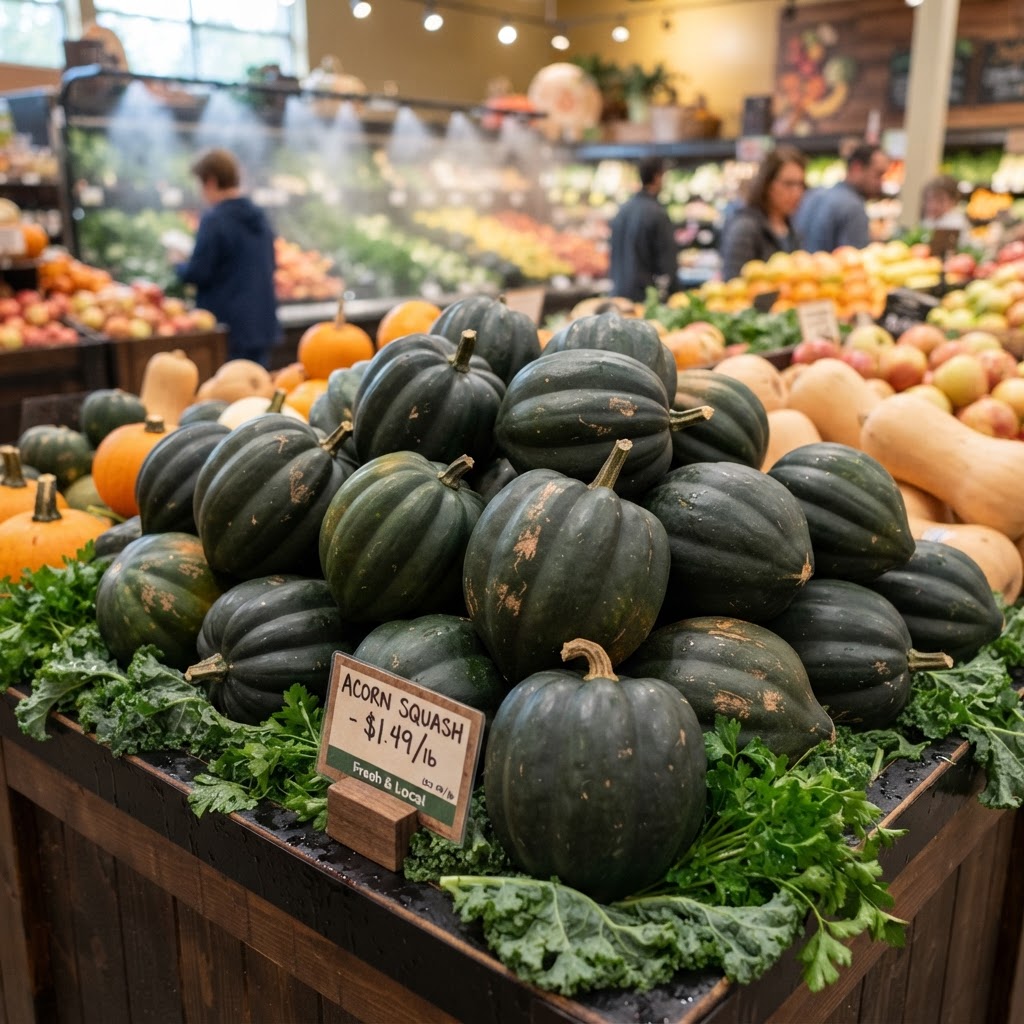
How to Pick the Best One at the Store
Selection Tips
- •Choose a squash that feels heavy for its size, which indicates high moisture and nutrient density.
- •Look for a dull matte finish rather than a shiny skin, as a dull rind suggests full maturity.
- •Ensure the rind is hard and firm to the touch, avoiding any soft spots or blemishes.
- •Select specimens that have a deep, dark green color with a patch of orange or yellow where it sat on the ground.
Recipes Using Acorn Squash
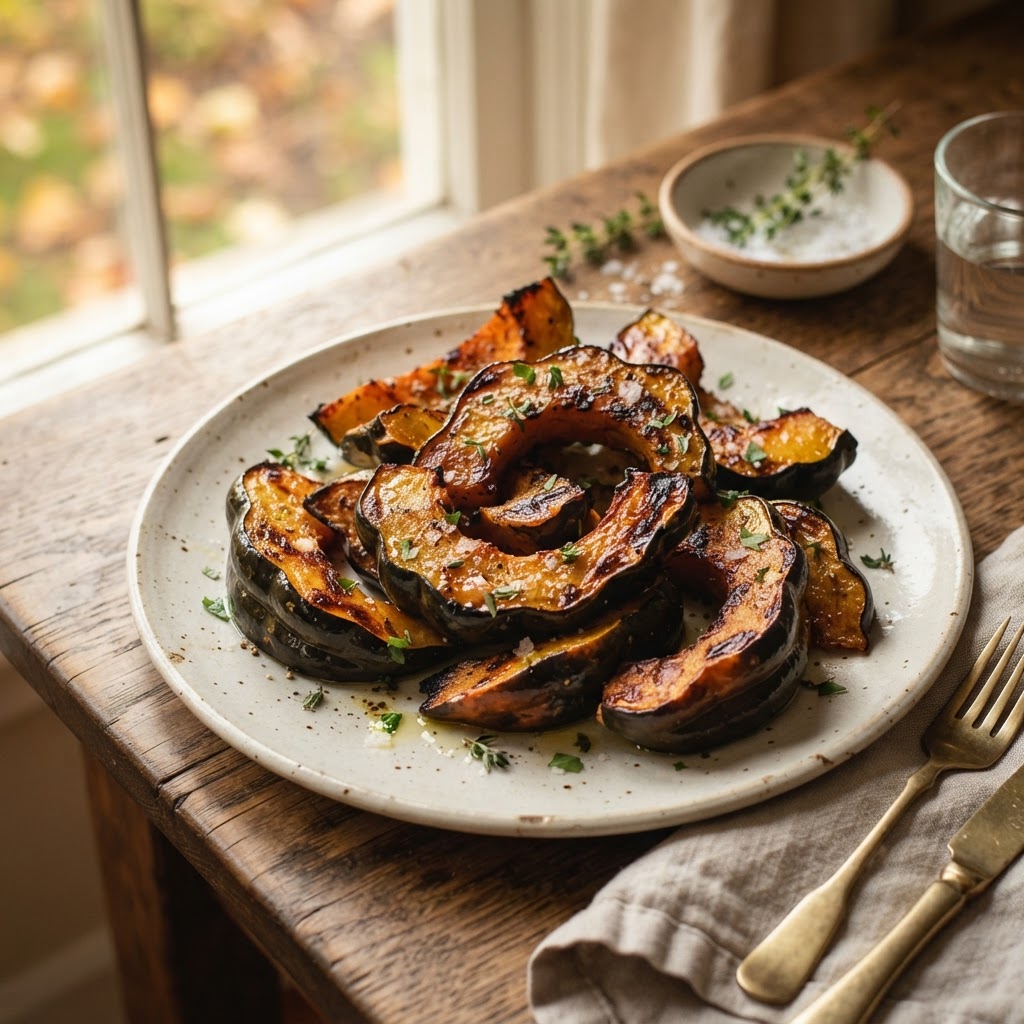
Roasted Acorn Squash Wedges
Simple, elegant, and packed with vitamins to support whole-body wellness.
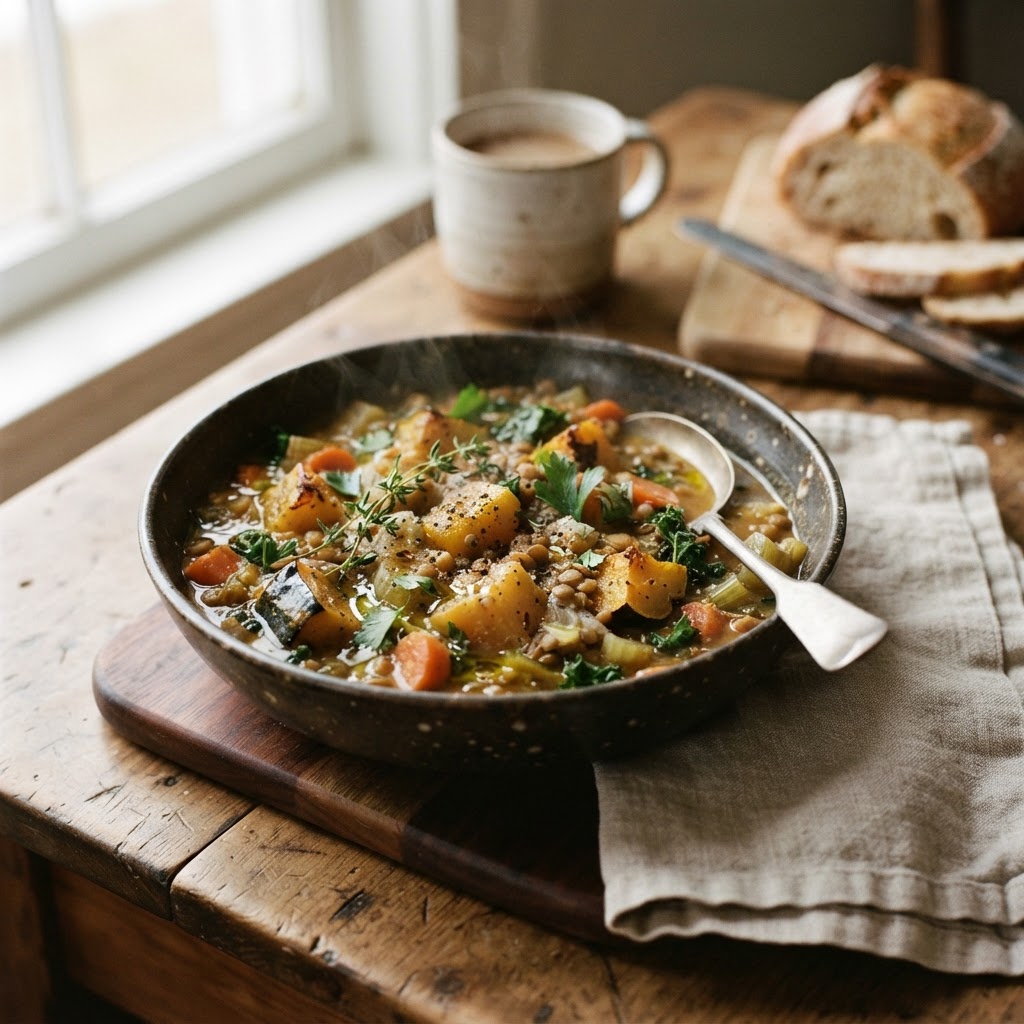
Acorn Squash and Lentil Stew
A protein-rich stew perfect for recovery, balancing complex carbohydrates and plant-based protein.
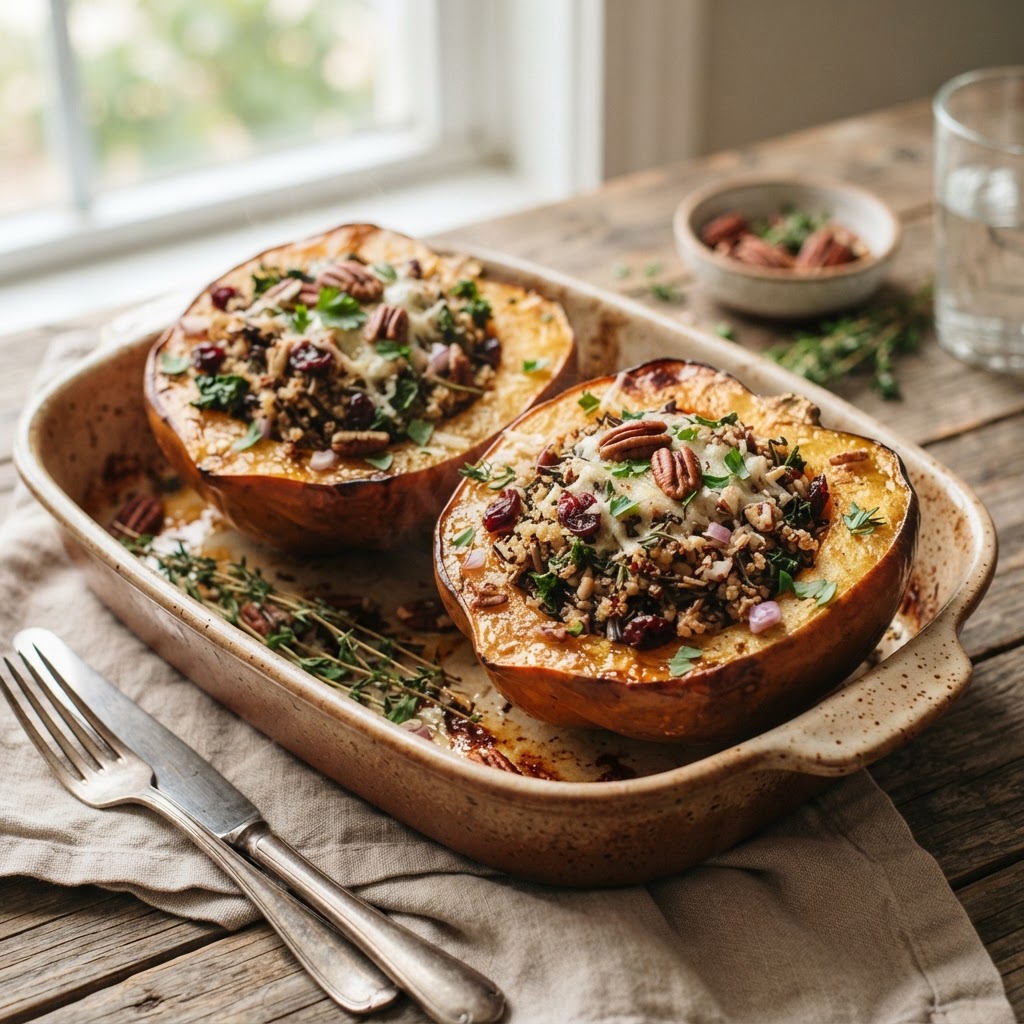
Stuffed Acorn Squash
A gorgeous, nutrient-dense dinner featuring savory herbs and protein-packed seeds.
Frequently Asked Questions
Can I eat the skin of an acorn squash?
Yes, the skin of an acorn squash is thin and tender enough to be eaten when roasted or baked, adding extra fiber and texture to your dish.
Is acorn squash safe for a diabetic diet?
Yes, acorn squash has a moderate glycemic load and is high in fiber, which helps manage blood sugar levels effectively when included as part of a balanced meal.