Zucchini
Mild summer squash that's versatile and low in calories.
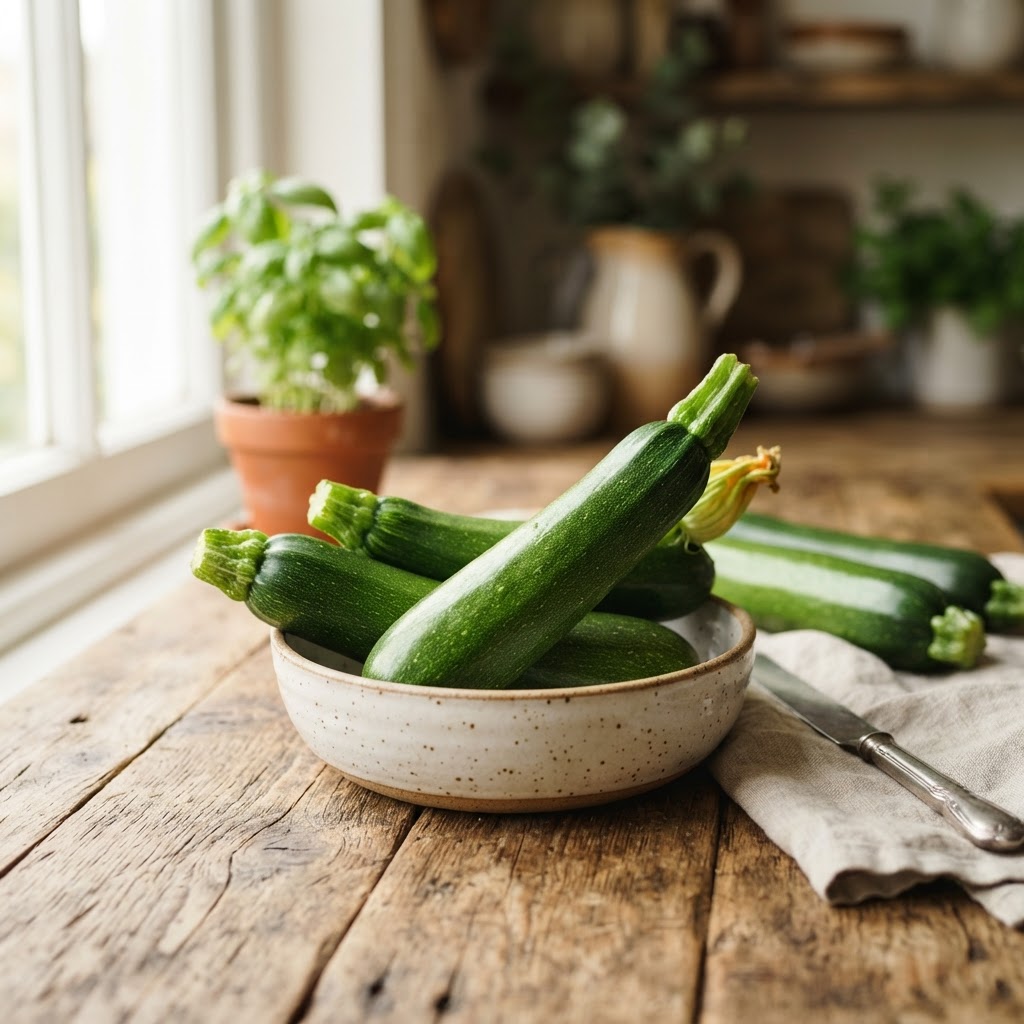
Zucchini is a versatile, mild-tasting summer squash that serves as a foundational ingredient for nutrient-dense cooking. Its hydrating nature and low glycemic load make it an exceptional ally for those focused on stable blood sugar levels and nervous system nourishment.
Quick Facts
Nutrition Snapshot
Health Benefits
What the Research Says
Clinical trials show that replacing refined carbohydrates with high-fiber, non-starchy vegetables like zucchini significantly improves post-meal glycemic responses.
Recent laboratory studies suggest that zucchini peel extracts possess anti-inflammatory properties that may help mitigate neuro-inflammation associated with cognitive decline.
How to Cook It
Preparation Tips
- •Salt sliced zucchini and let it sit for 15 minutes before cooking to draw out excess moisture.
- •Use a spiralizer to turn zucchini into noodles as a low-carb alternative to wheat pasta.
- •Keep the skin on to maximize your intake of fiber and potent antioxidants.
Flavor Pairings
- •Fresh basil and lemon zest
- •Garlic and extra virgin olive oil
- •Toasted pine nuts and parmesan
- •Cherry tomatoes and balsamic glaze
Storage Tips
- •Avoid washing your zucchini until you are ready to use it, as excess moisture encourages spoilage.
- •Keep them away from apples or melons, which release ethylene gas that can accelerate softening.
How to Pick the Best One at the Store
Selection Tips
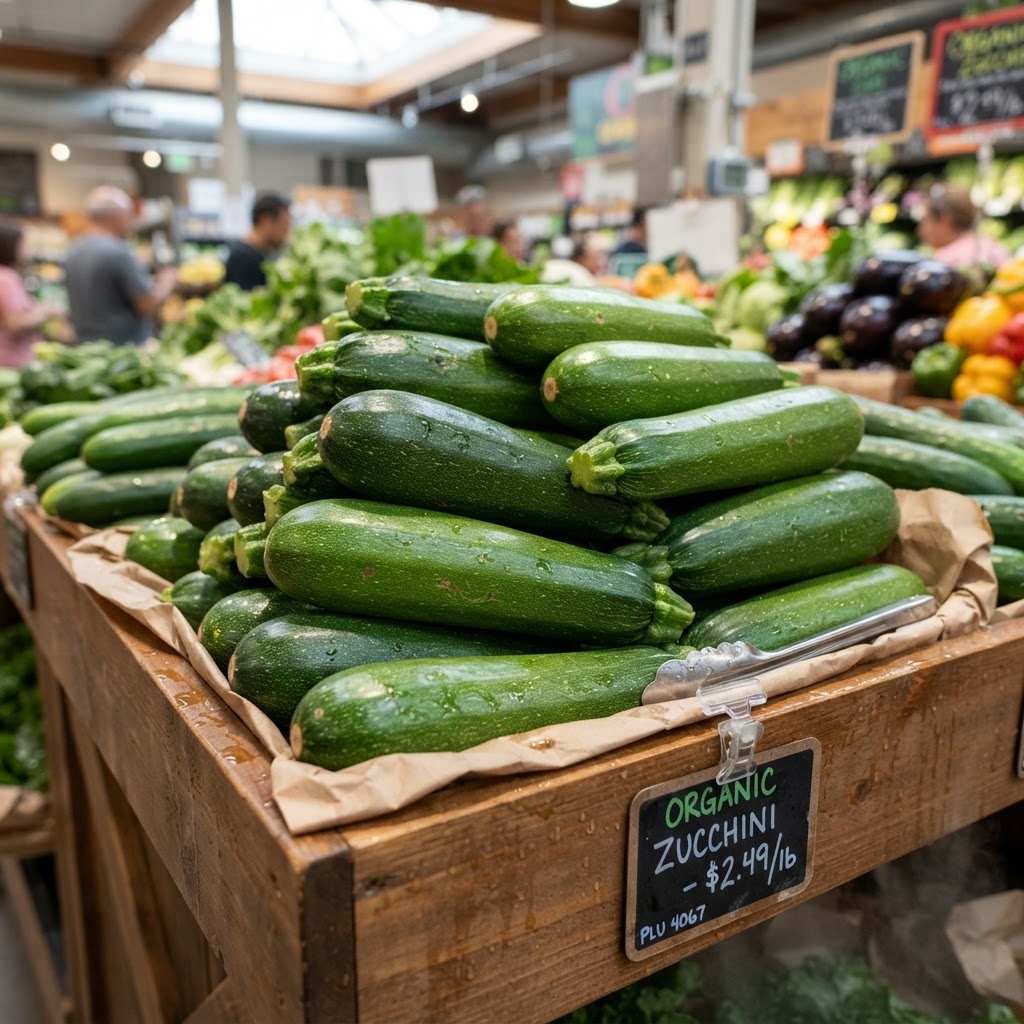
- •Choose small to medium zucchinis (6-8 inches) for the best flavor and texture.
- •Look for firm, shiny skin without nicks, dents, or soft spots.
- •Ensure the skin feels slightly prickly; this is a sign of ultimate freshness.
- •Pick them up to ensure they feel heavy for their size, which indicates high water content.
Recipes Using Zucchini
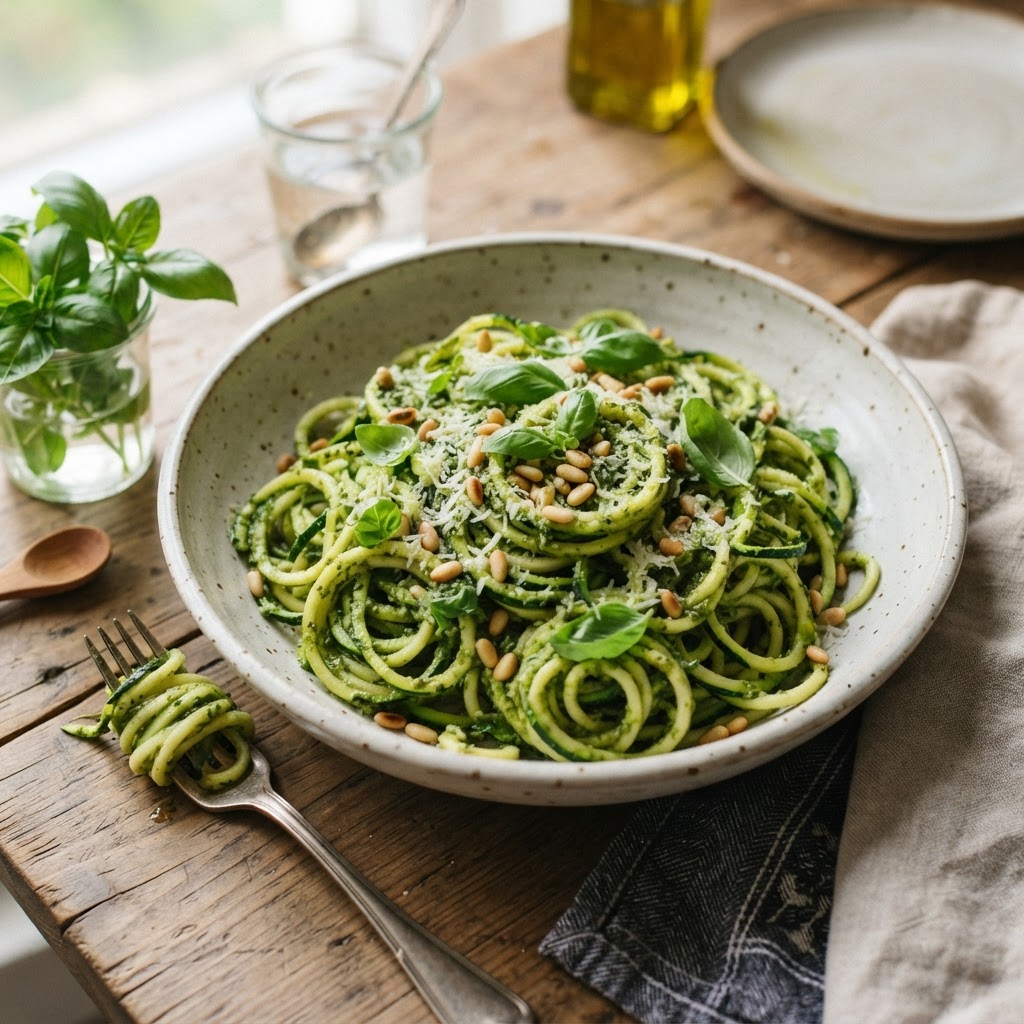
Zucchini Noodle Pesto Pasta
Light and nutrient-dense zucchini noodles tossed in an omega-3-rich walnut pesto.
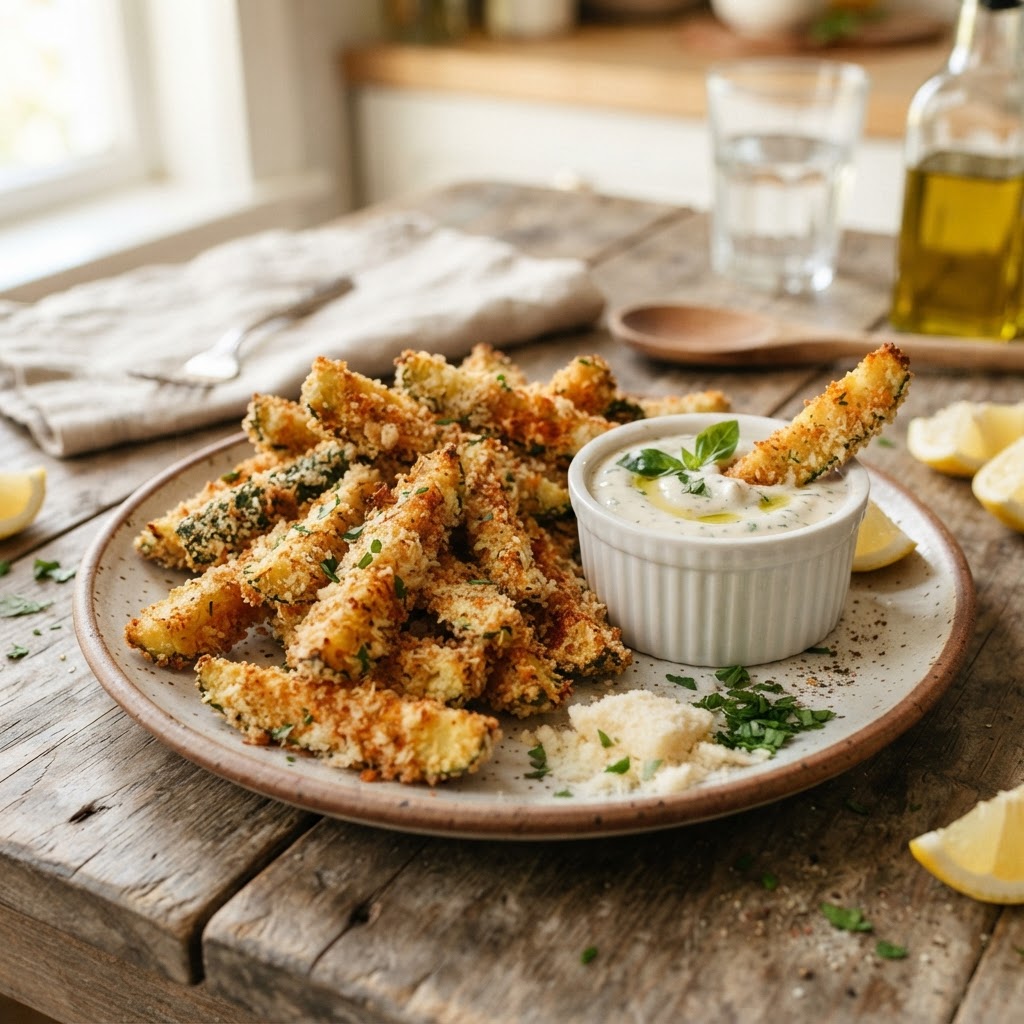
Baked Zucchini Fries
Crispy, baked zucchini sticks coated in an almond meal crust for a healthy treat.

Zucchini Breakfast Frittata
A high-protein breakfast bake featuring fresh zucchini to fuel your day.
Frequently Asked Questions
Can I eat the skin of a zucchini?
Yes, the skin is entirely edible and contains the majority of the vegetable's beneficial antioxidants and fiber.
Why does my zucchini become watery when I cook it?
Zucchini is composed of about 95% water. To prevent a mushy texture, cook it over high heat quickly or salt it beforehand to draw out the excess liquid.