Yellow Squash
Tender summer squash with a mild, buttery flavor.
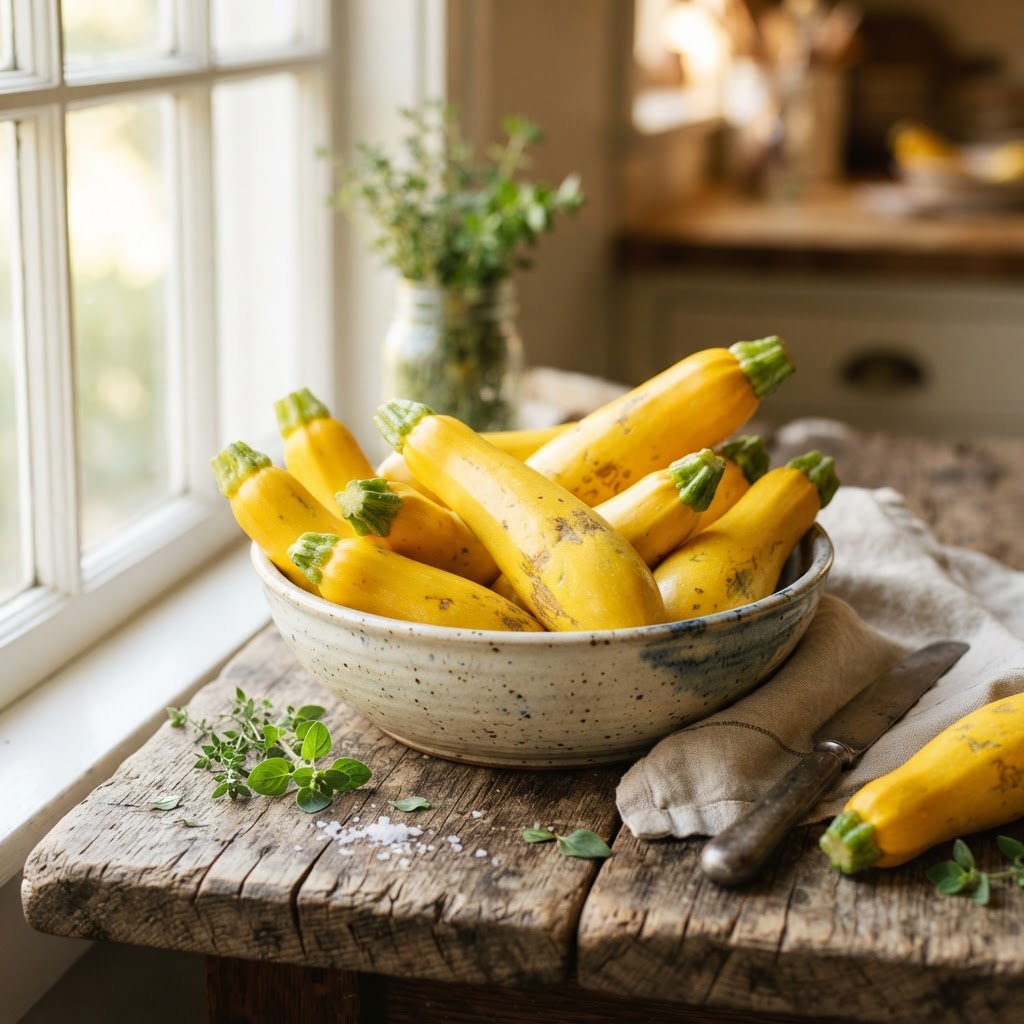
Bright and versatile, yellow squash brings a mild, slightly sweet flavor and tender texture to any dish. This summer favorite is not only a delight for the palate but also a nutritional powerhouse, supporting your wellness journey with its array of vitamins and minerals. Incorporate this sunshine-hued vegetable into your meals for a delicious and healthy boost.
Quick Facts
Nutrition Snapshot
Health Benefits
What the Research Says
Numerous studies demonstrate that diets rich in dietary fiber, found abundantly in vegetables like yellow squash, are associated with improved glycemic control and a reduced risk of type 2 diabetes. Fiber helps to slow down digestion and the absorption of glucose, leading to more stable blood sugar levels.
While research specifically on yellow squash and brain health is limited, the general role of antioxidants (like Vitamin C) in combating oxidative stress is well-established. Oxidative stress is implicated in neurodegenerative diseases, suggesting that antioxidant-rich foods contribute to brain health and potentially Alzheimer's prevention.
How to Cook It
Preparation Tips
- •Don't overcook yellow squash; aim for tender-crisp to retain its delicate texture and nutrients.
- •Slice it thinly for quick sautés or shred it for adding to baked goods and fritters.
- •Grilling or roasting brings out a subtle sweetness and a slightly caramelized flavor.
Flavor Pairings
- •Garlic and Onion
- •Lemon and Herbs (like dill, parsley, basil)
- •Parmesan Cheese
- •Olive Oil
Storage Tips
- •Yellow squash is best stored unwashed in the refrigerator.
- •Use within 3-5 days for optimal freshness and flavor.
- •Avoid storing it near ethylene-producing fruits like apples or bananas, as this can cause it to spoil faster.
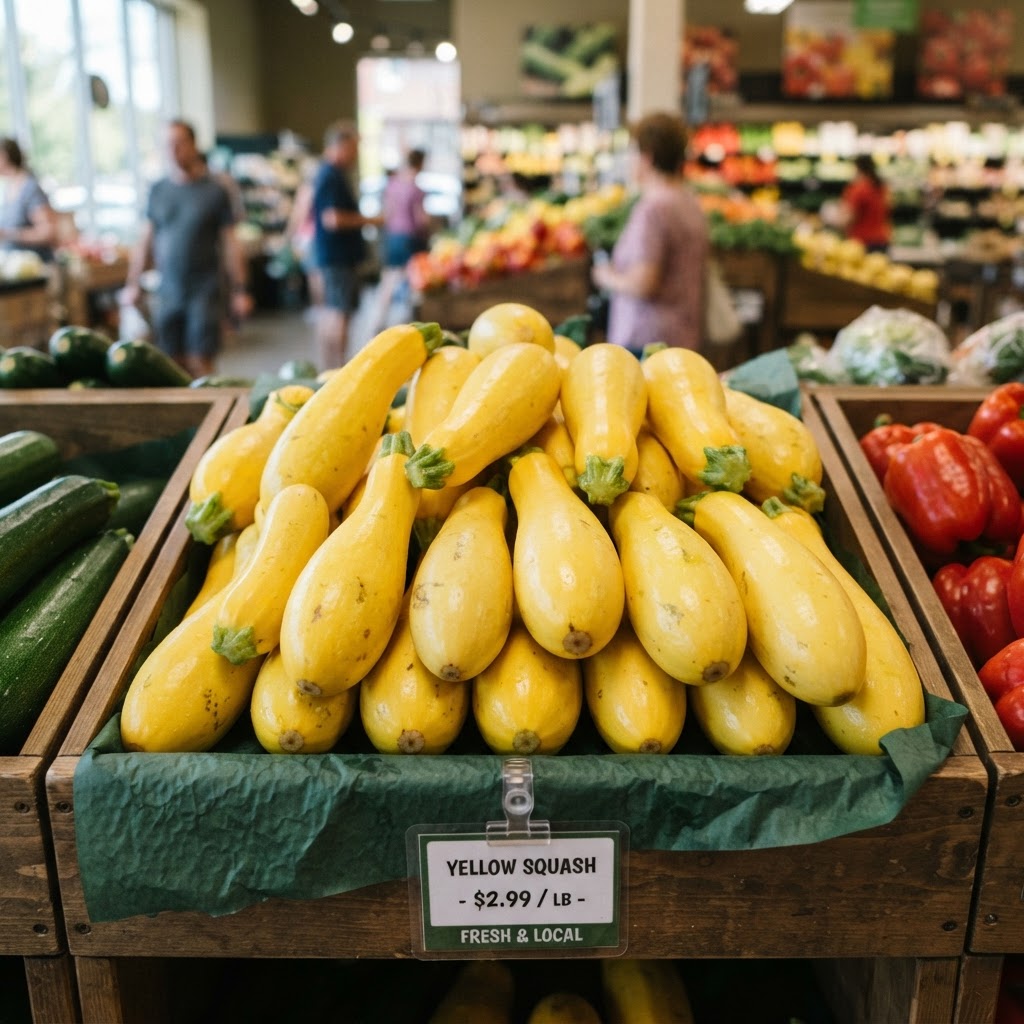
How to Pick the Best One at the Store
Selection Tips
- •Look for squash that are firm, heavy for their size, and have smooth, unblemished skin.
- •Choose squash that are uniformly yellow and vibrant in color.
- •Avoid squash with soft spots, cuts, or shriveled skin, as these are signs of age or damage.
- •Smaller squash generally have a more tender texture and fewer seeds.
Recipes Using Yellow Squash

Yellow Squash Gratin
Comforting baked squash with a nut-based crust that is heart-healthy and delicious.
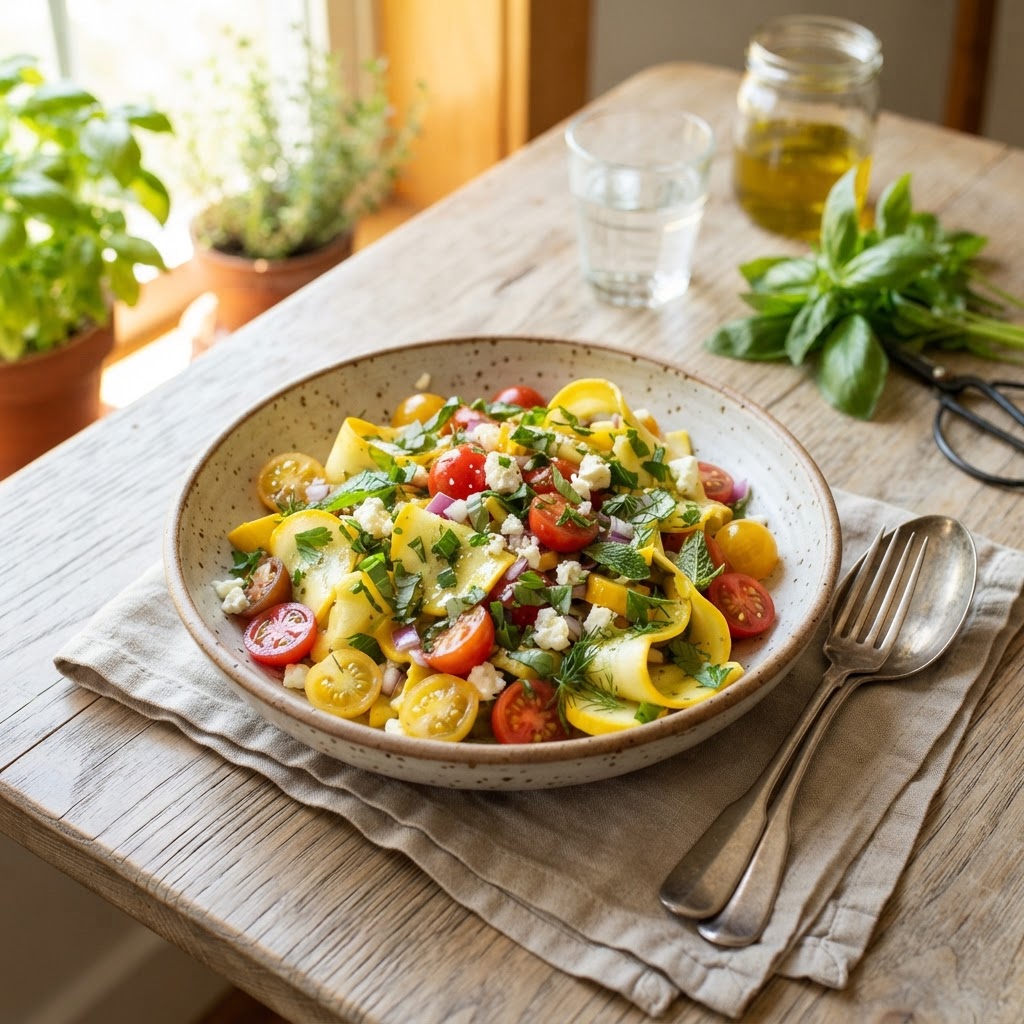
Yellow Squash and Tomato Salad
A bright, summery salad that highlights the delicate flavor of raw yellow squash.

Yellow Squash Stir-fry
A quick, nutrient-packed stir-fry perfect for a balanced weeknight dinner.
Frequently Asked Questions
Can yellow squash be eaten raw?
Yes, yellow squash can be eaten raw. When thinly sliced or spiralized, it adds a refreshing crunch and mild flavor to salads and slaws.
What is the difference between yellow squash and zucchini?
While both are summer squash varieties, yellow squash typically has a more pronounced yellow skin and a slightly firmer texture and sweeter flavor profile compared to zucchini, which is usually green.