Tomatoes
Juicy fruit-vegetable rich in lycopene and vitamin C.
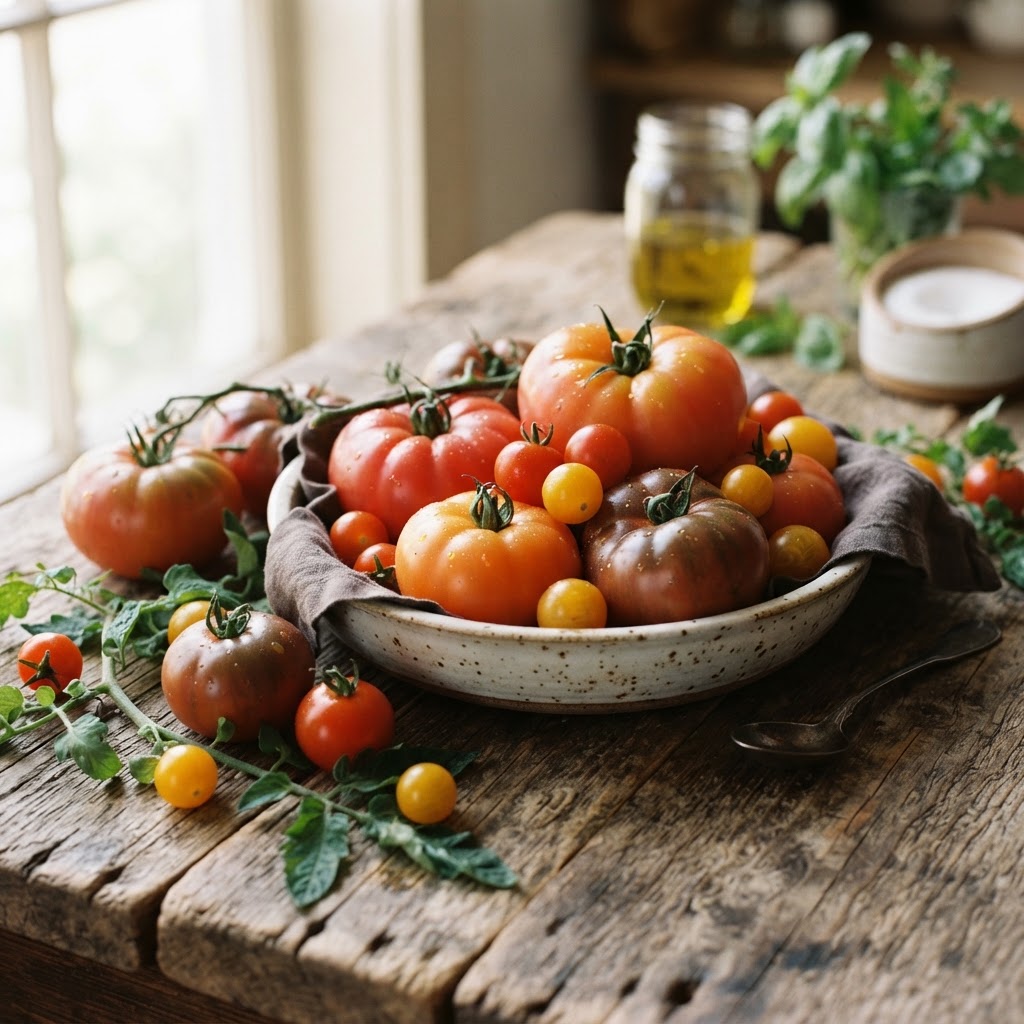
Tomatoes are a vibrant, sun-ripened staple that serve as a nutritional powerhouse for the human body. Beyond their culinary versatility, these fruits are packed with essential antioxidants that support cognitive function and metabolic health, making them a cornerstone of any wellness-focused diet.
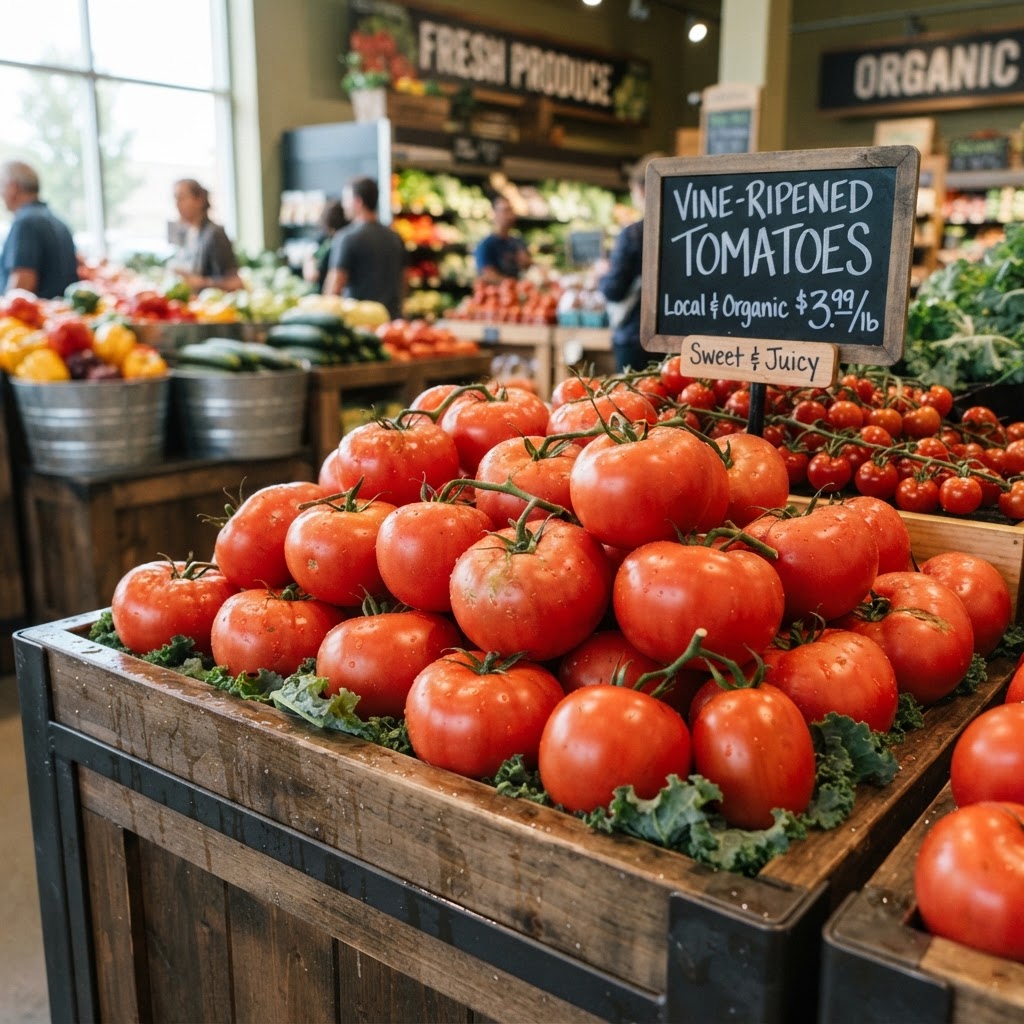
Quick Facts
Nutrition Snapshot
Health Benefits
What the Research Says
Studies suggest that lycopene’s ability to reduce neuroinflammation may offer protective benefits against cognitive decline and Alzheimer's disease.
Evidence consistently shows that tomato-rich diets improve blood pressure and arterial health in patients with Type 2 Diabetes.
How to Cook It
Preparation Tips
- •Cook tomatoes with a small amount of healthy fat like olive oil to increase the bioavailability of lycopene.
- •Roast cherry tomatoes on the vine to concentrate their natural sugars and enhance their depth of flavor.
- •Avoid using metal bowls or pans when cooking tomatoes for long periods, as the acid can leach metallic flavors into your food.
Flavor Pairings
- •Fresh basil
- •Extra virgin olive oil
- •Garlic
- •Balsamic vinegar
Storage Tips
- •Keep tomatoes stem-side down on a flat surface to prevent bruising.
- •Never store tomatoes in the refrigerator, as cold temperatures break down their flavor compounds and turn the texture mealy.
How to Pick the Best One at the Store
Selection Tips
- •Look for fruit that feels heavy for its size, indicating a high water content and juiciness.
- •Gently press the skin; it should be firm but yield slightly to pressure without feeling mushy.
- •Check for a fragrant, earthy scent at the stem end, which is the best indicator of ripeness.
- •Avoid tomatoes with visible cracks, deep indentations, or signs of mold near the calyx.
Recipes Using Tomatoes

Roasted Tomato Basil Soup
A comforting, nutrient-dense soup perfect for calming and restoring.
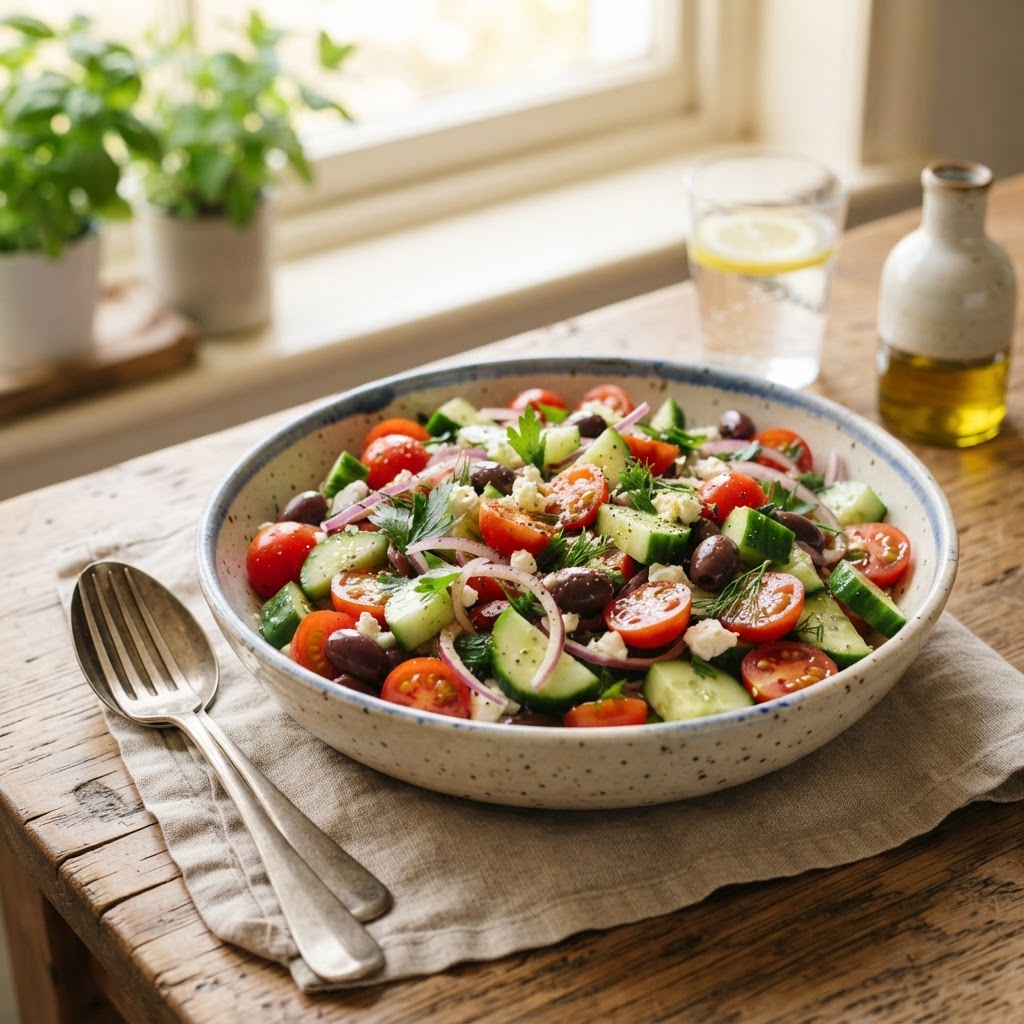
Fresh Tomato Cucumber Salad
A hydrating and antioxidant-rich salad that supports steady energy and recovery.

Tomato Herb Poached Eggs
A balanced breakfast featuring healthy fats and lycopene.
Frequently Asked Questions
Are cooked tomatoes better for you than raw ones?
While raw tomatoes provide more Vitamin C, cooking them breaks down their cellular structure and releases significantly more lycopene, making it more absorbable.
Can tomatoes help with cravings during recovery?
The umami flavor and satisfying texture of tomatoes can provide a 'savory hit' that helps curb cravings for processed, high-sugar snack foods.