Cabbage
Crunchy cruciferous vegetable, great raw or cooked.
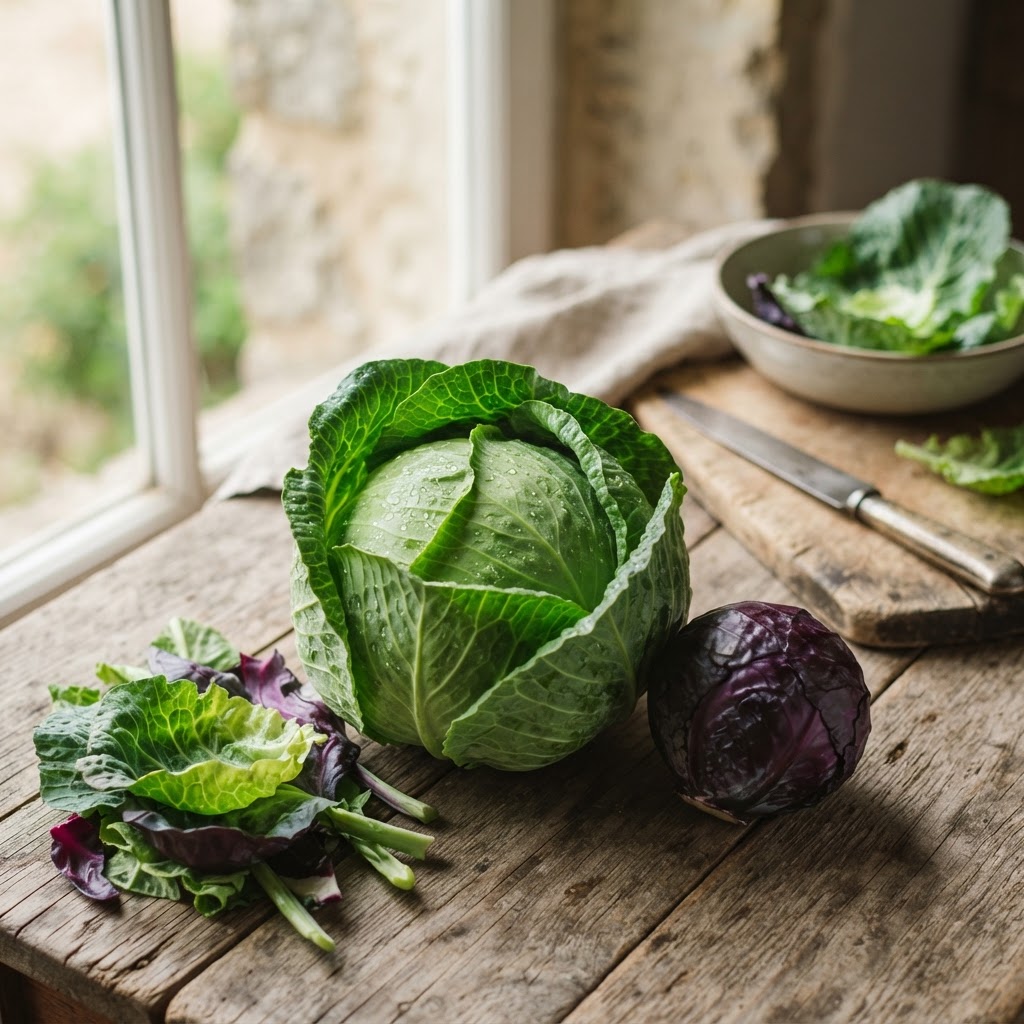
Cabbage is a humble yet powerhouse cruciferous vegetable that serves as a cornerstone of nutrient-dense, restorative eating. Its crisp leaves and deep earthiness offer versatile culinary potential, providing essential support for blood sugar regulation and long-term neurological wellness.
Quick Facts
Nutrition Snapshot
Health Benefits
What the Research Says
Studies indicate that cruciferous-derived compounds like sulforaphane can activate Nrf2 pathways, which protect neuronal cells from damage and inflammation.
Large observational studies consistently show that high consumption of leafy cruciferous vegetables is inversely associated with the risk of developing Type 2 Diabetes.
How to Cook It
Preparation Tips
- •Sauté with a splash of apple cider vinegar to cut the sulfurous note and brighten the flavor.
- •Use raw, thinly sliced cabbage as a base for salads instead of lettuce to get more crunch and nutrient density.
- •Roast wedges at high heat with olive oil and caraway seeds to caramelize the natural sugars.
Flavor Pairings
- •Apple
- •Caraway Seeds
- •Walnuts
- •Bacon
Storage Tips
- •Do not wash until you are ready to use it to prevent premature mold growth.
- •Remove any wilted outer leaves before storing to keep the head fresher for longer.
- •Keep it whole; once cut, wrap the remainder tightly in plastic wrap to maintain moisture.
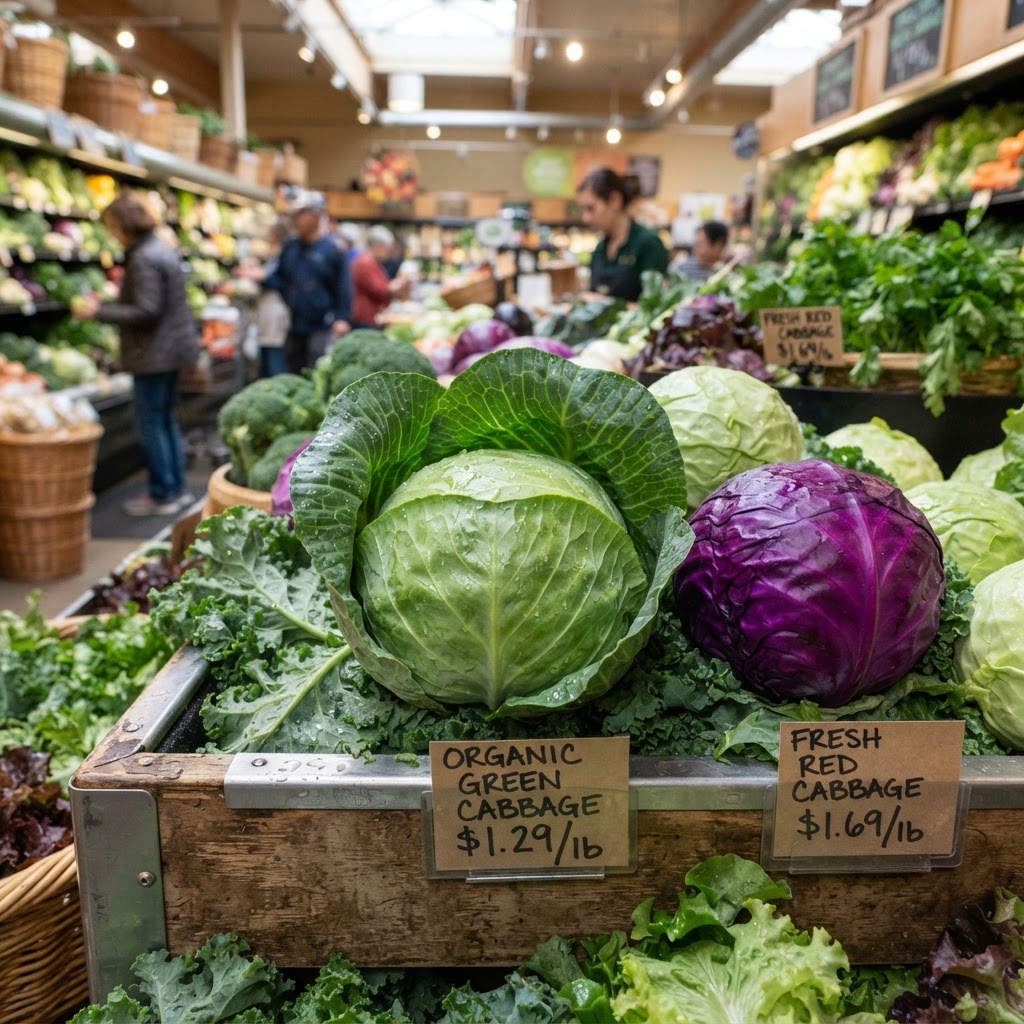
How to Pick the Best One at the Store
Selection Tips
- •Look for a head that feels heavy for its size, indicating high water content and freshness.
- •Ensure the outer leaves are tightly packed and free from significant yellowing or brown spots.
- •The stem should look clean and relatively fresh, rather than dried out or woody.
- •Avoid heads that have significant gashes or soft, mushy areas, which suggest internal rot.
Recipes Using Cabbage
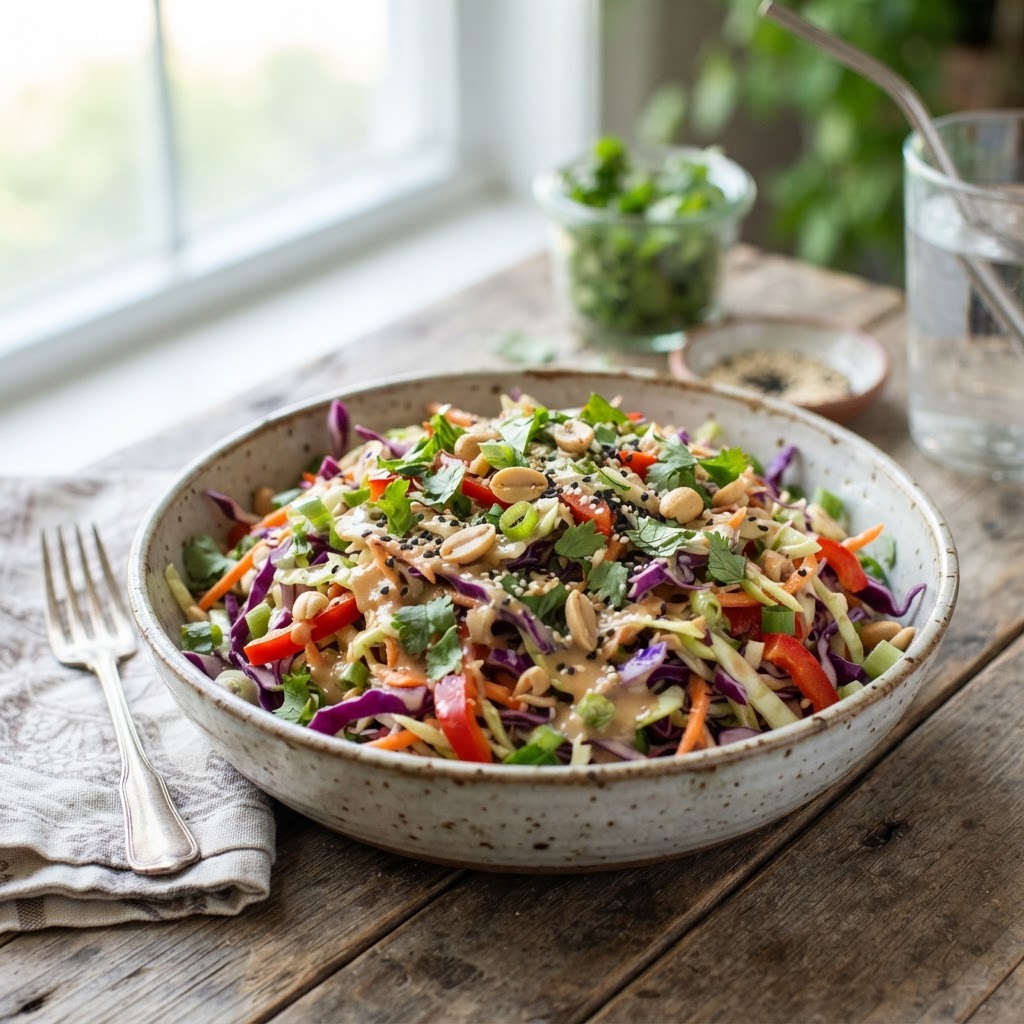
Cabbage Ginger Slaw
A gut-healing, probiotic-friendly cabbage side dish.

Stir-Fried Cabbage & Chicken
A hearty, metabolism-boosting stir-fry for sustained energy.

Cabbage Soup with Turmeric
Anti-inflammatory cabbage soup to support body repair.
Frequently Asked Questions
Is fermented cabbage, like sauerkraut, better for me than raw cabbage?
Fermented cabbage provides the same nutritional benefits as raw cabbage while adding beneficial probiotics, which support gut health and, by extension, the gut-brain axis essential for nervous system support.
Does cooking cabbage destroy its health benefits?
While high heat can reduce heat-sensitive vitamins like Vitamin C, gentle cooking methods like steaming or quick stir-frying retain most of the fiber and protective sulfur compounds.