Brussels Sprouts
Mini cruciferous vegetable rich in fiber and vitamin K.
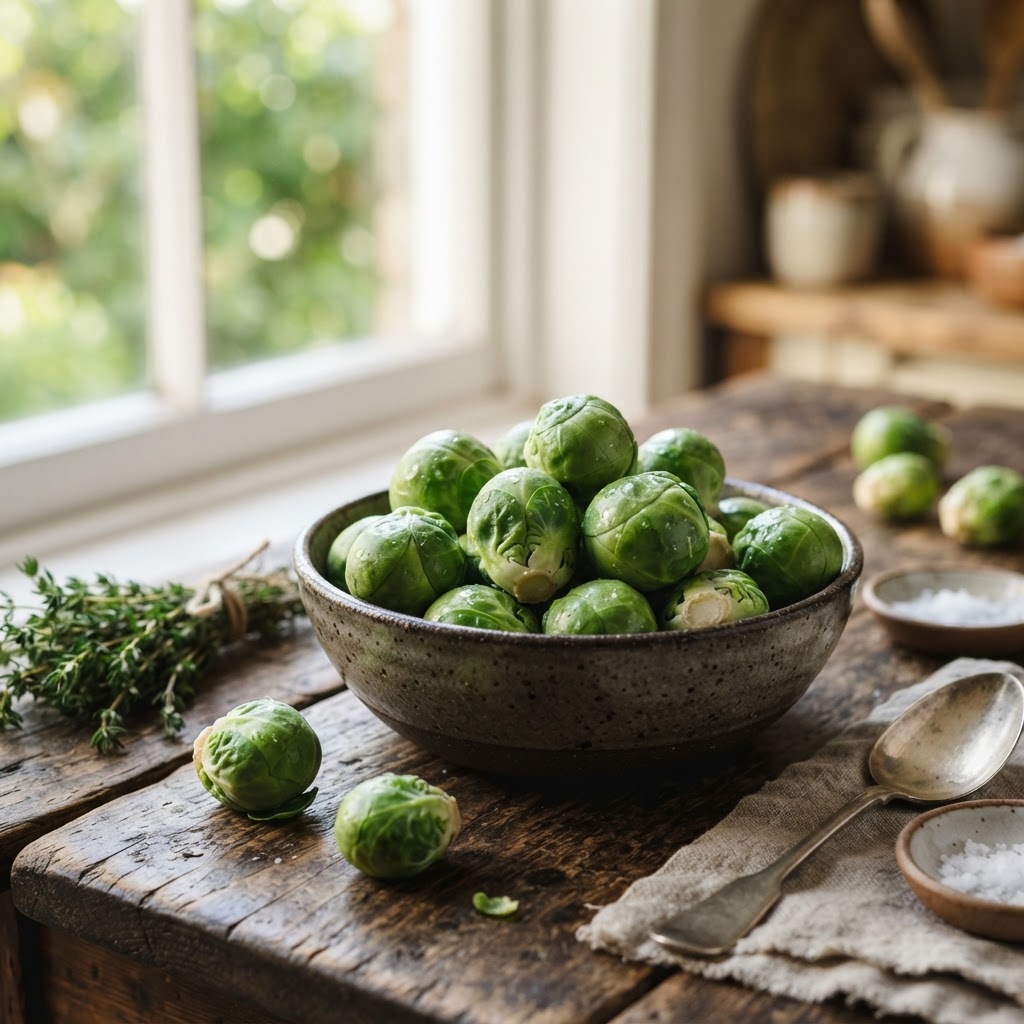
Brussels sprouts are miniature nutritional powerhouses that offer a sophisticated, nutty flavor profile perfect for elevated home cooking. As members of the cruciferous family, these small, dense buds provide vital support for blood sugar stability and cognitive health, making them a cornerstone ingredient for a balanced, recovery-focused diet.
Quick Facts
Nutrition Snapshot
Health Benefits
What the Research Says
Observational studies indicate that higher intake of cruciferous vegetables is associated with slower rates of cognitive decline in older adults due to high concentrations of protective phytonutrients.
Clinical research consistently demonstrates that alpha-lipoic acid, found in Brussels sprouts, significantly improves glycemic control and peripheral nerve health in diabetic populations.
How to Cook It
Preparation Tips
- •Slice thinly and toss with lemon juice to create a raw, crunchy slaw that retains maximum nutrient density.
- •Roast at high heat (400°F) until the outer leaves are crispy and charred, which caramelizes the natural sugars and eliminates bitterness.
- •Avoid overcooking, as sulfurous odors increase when sprouts become mushy.
Flavor Pairings
- •Toasted walnuts
- •Balsamic glaze
- •Pomegranate seeds
- •Crispy pancetta
Storage Tips
- •Keep them unwashed in the refrigerator until ready to use.
- •If they are attached to the stalk, leave them on the stem to keep them fresher for longer.
How to Pick the Best One at the Store
Selection Tips
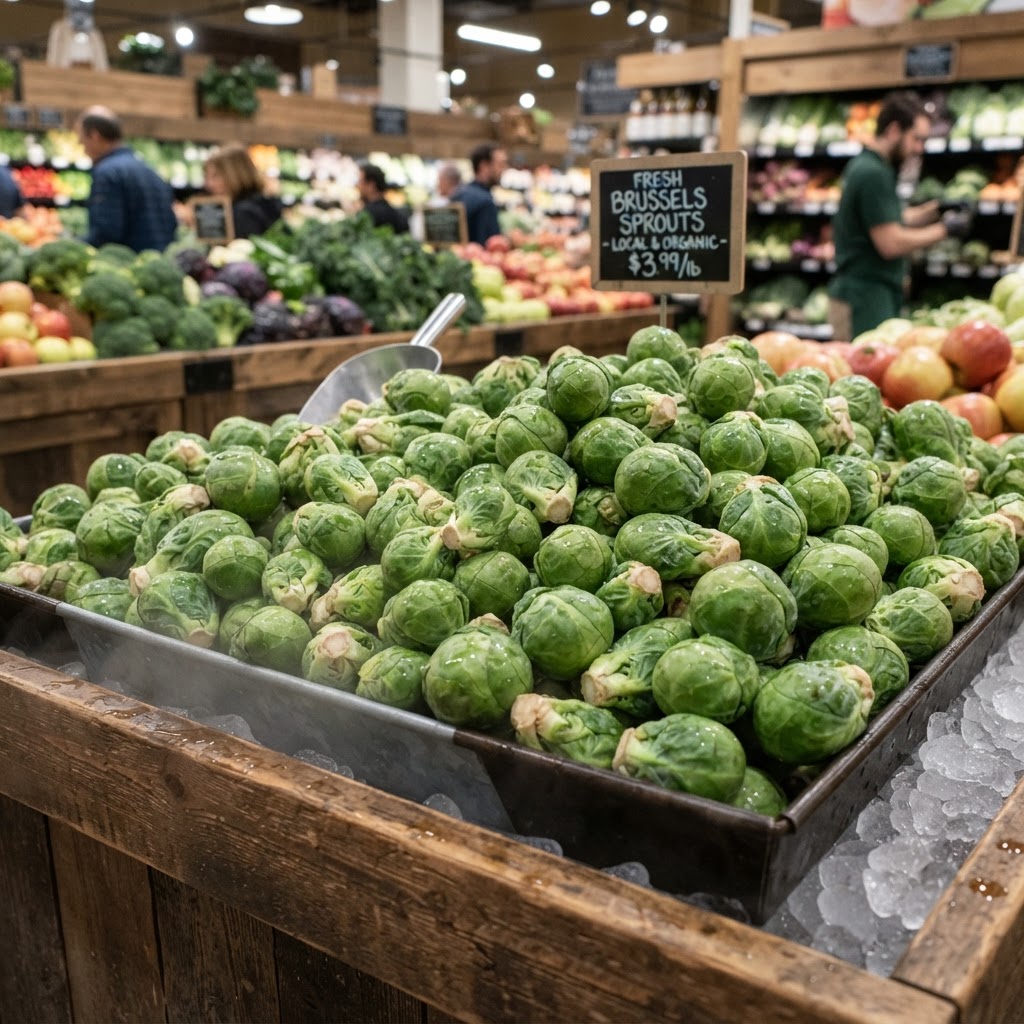
- •Choose sprouts that are firm to the touch; they should feel like a dense marble.
- •Avoid heads with yellowing or withered outer leaves, which indicate age and loss of sweetness.
- •Select sprouts that are uniform in size to ensure they cook evenly.
- •Look for bright, tight, green leaves without excessive brown spots or insect holes.
Recipes Using Brussels Sprouts
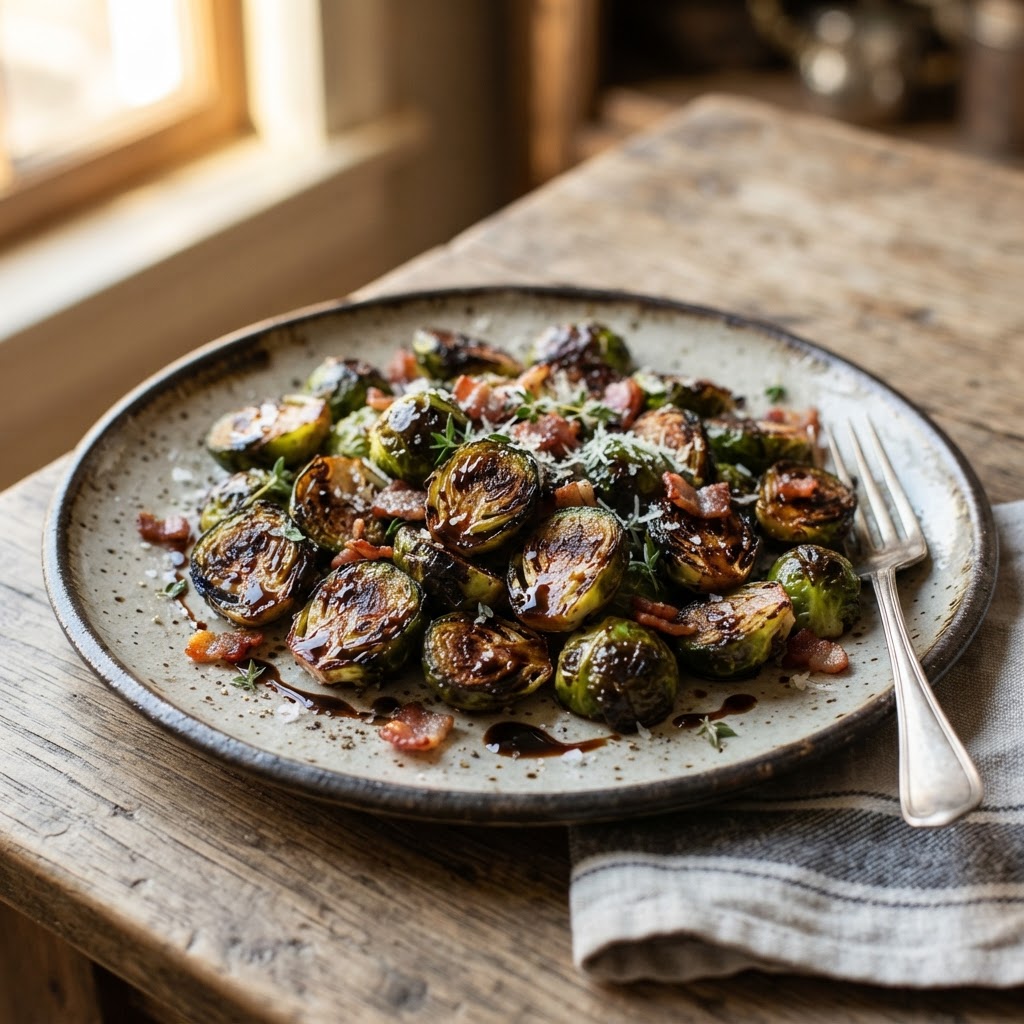
Pan-Seared Brussels with Balsamic
A flavorful side dish that makes vegetables the star.
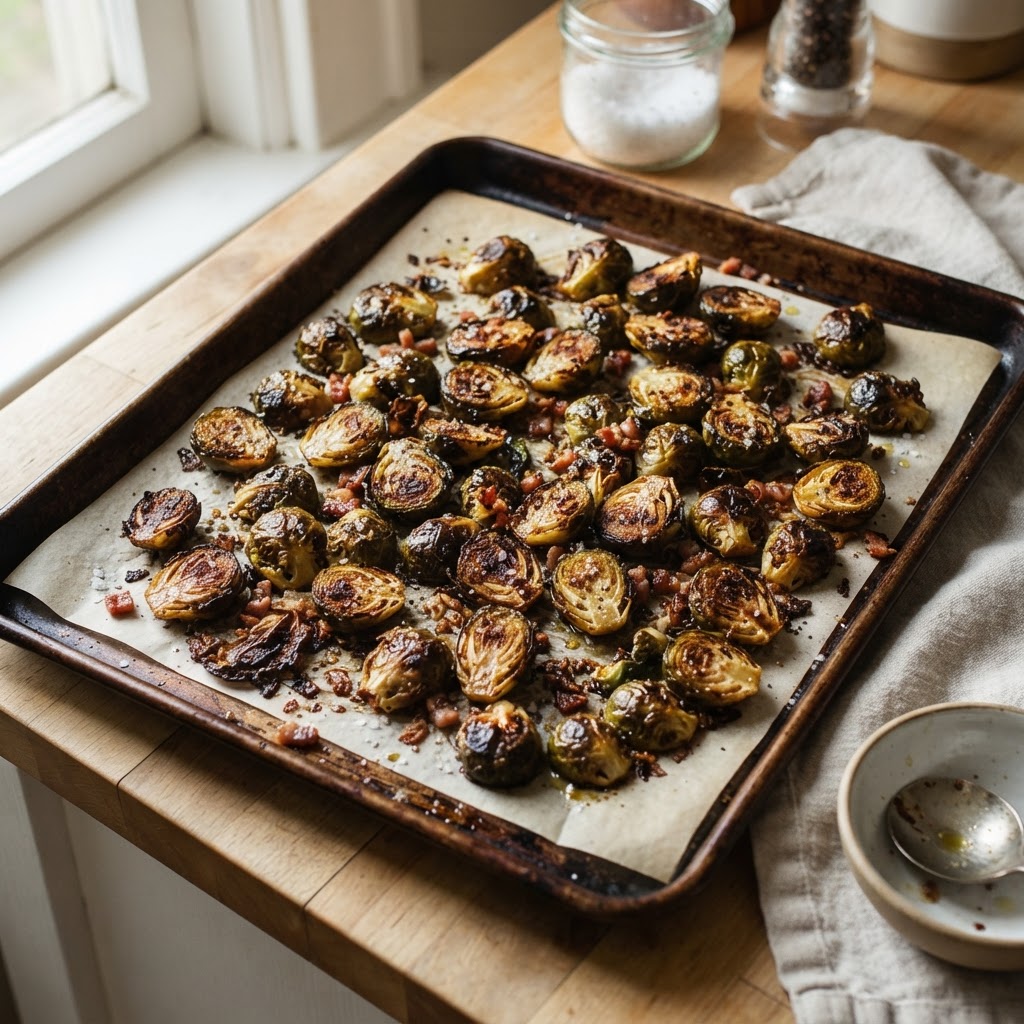
Roasted Brussels Sprouts
Crunchy roasted sprouts rich in fiber to support digestive health.
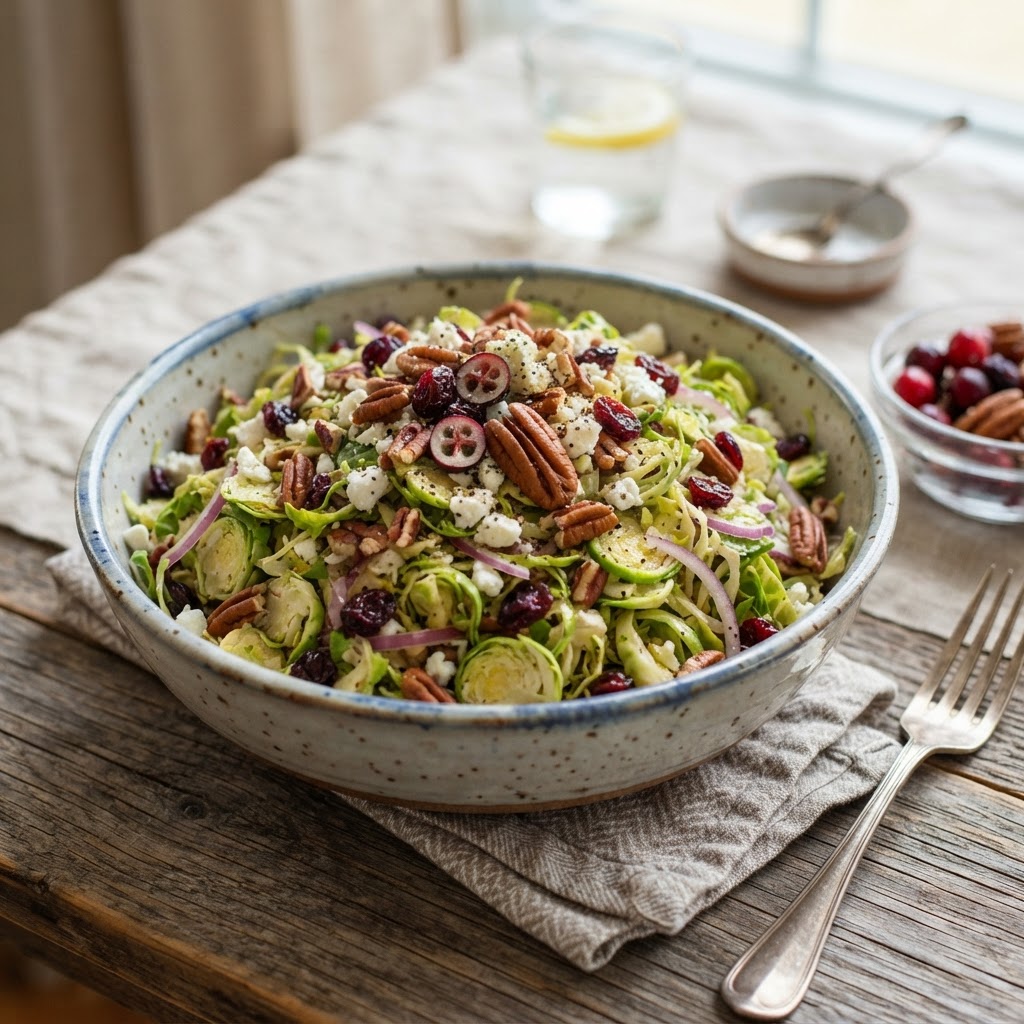
Shredded Brussels Sprout Salad
A raw, vitamin-packed salad with satisfying crunch.
Frequently Asked Questions
Why do some people dislike the taste of Brussels sprouts?
The bitterness is due to glucosinolates, which are actually the compounds responsible for their health benefits. Proper cooking techniques like roasting can neutralize this bitterness by caramelizing the vegetable.
Can I eat Brussels sprouts if I have digestive issues?
They are high in fiber, which is great for health, but if you are sensitive, start with smaller portions and ensure they are thoroughly cooked to make the fiber easier to digest.