Broccoli
Cruciferous vegetable rich in fiber, vitamin C, and vitamin K.
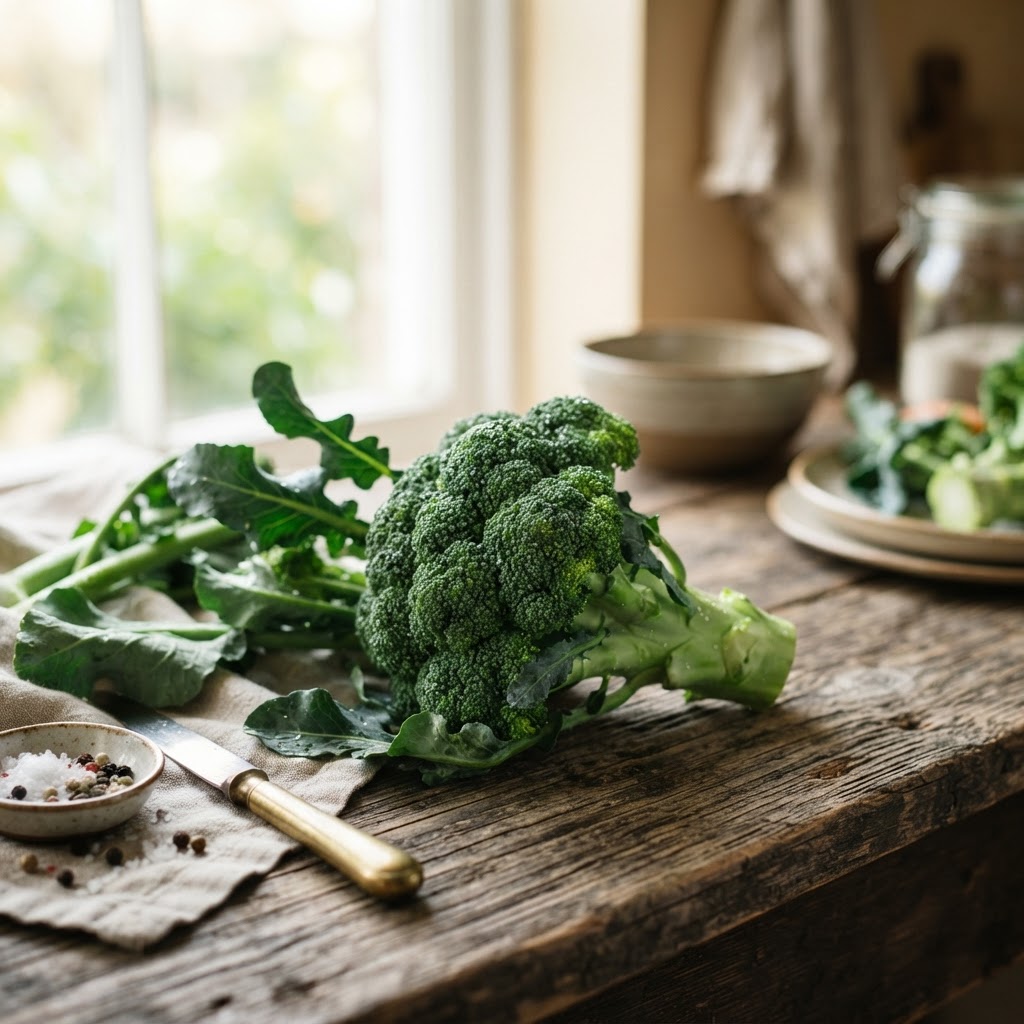
Broccoli is a nutritional powerhouse that serves as a cornerstone of a supportive diet, offering a satisfying, earthy crunch and an abundance of protective compounds. This cruciferous vegetable not only anchors a healthy plate but also provides the essential nutrients needed to steady blood sugar, nurture cognitive function, and soothe the nervous system during recovery.
Quick Facts
Nutrition Snapshot
Health Benefits
What the Research Says
Studies suggest sulforaphane activates the Nrf2 pathway, which triggers antioxidant enzyme production to protect brain cells from oxidative damage.
Clinical evidence consistently shows that a diet high in fiber-rich, cruciferous vegetables significantly improves HbA1c levels in diabetic patients.
How to Cook It
Preparation Tips
- •Cut broccoli into uniform sizes so the florets and stalks cook at the same rate.
- •Steam for only 4-5 minutes until bright green to preserve heat-sensitive antioxidants.
- •Do not toss the stalks; peel the tough outer layer and slice them thin for a crunchy, nutrient-dense addition to salads.
Flavor Pairings
- •Garlic and toasted sesame oil
- •Lemon zest and red pepper flakes
- •Parmesan cheese and toasted almonds
- •Tahini and maple syrup
Storage Tips
- •Do not wash until ready to use; excess moisture on the florets encourages mold.
- •If the bunch comes with a rubber band, remove it to allow the vegetable to breathe.
How to Pick the Best One at the Store
Selection Tips
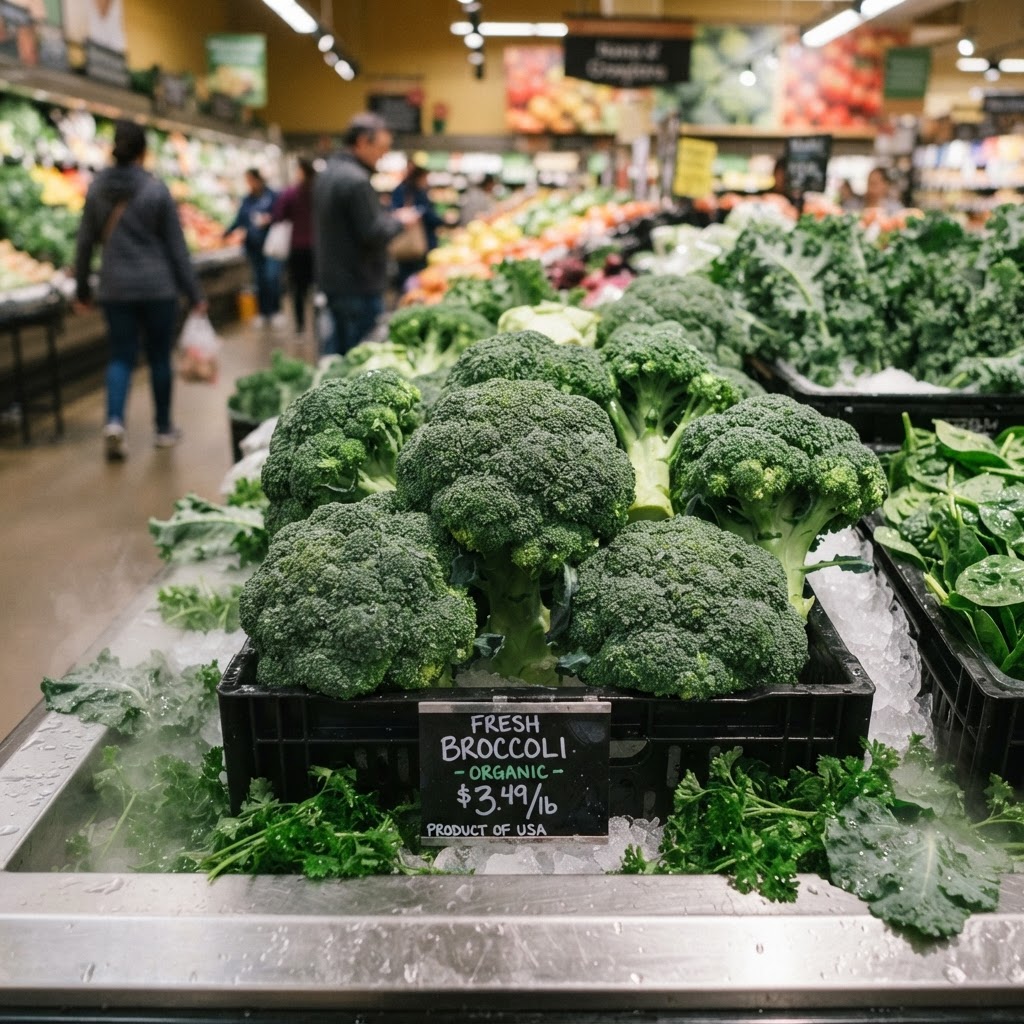
- •Choose heads that are dark green or even slightly purplish, which indicates high antioxidant levels.
- •Ensure the florets are tightly closed; if they are yellowing or flowering, the broccoli is past its prime.
- •The stalks should feel firm and heavy for their size, not rubbery or limp.
- •Look for a fresh-cut base without brown spots or excessive dehydration.
Recipes Using Broccoli
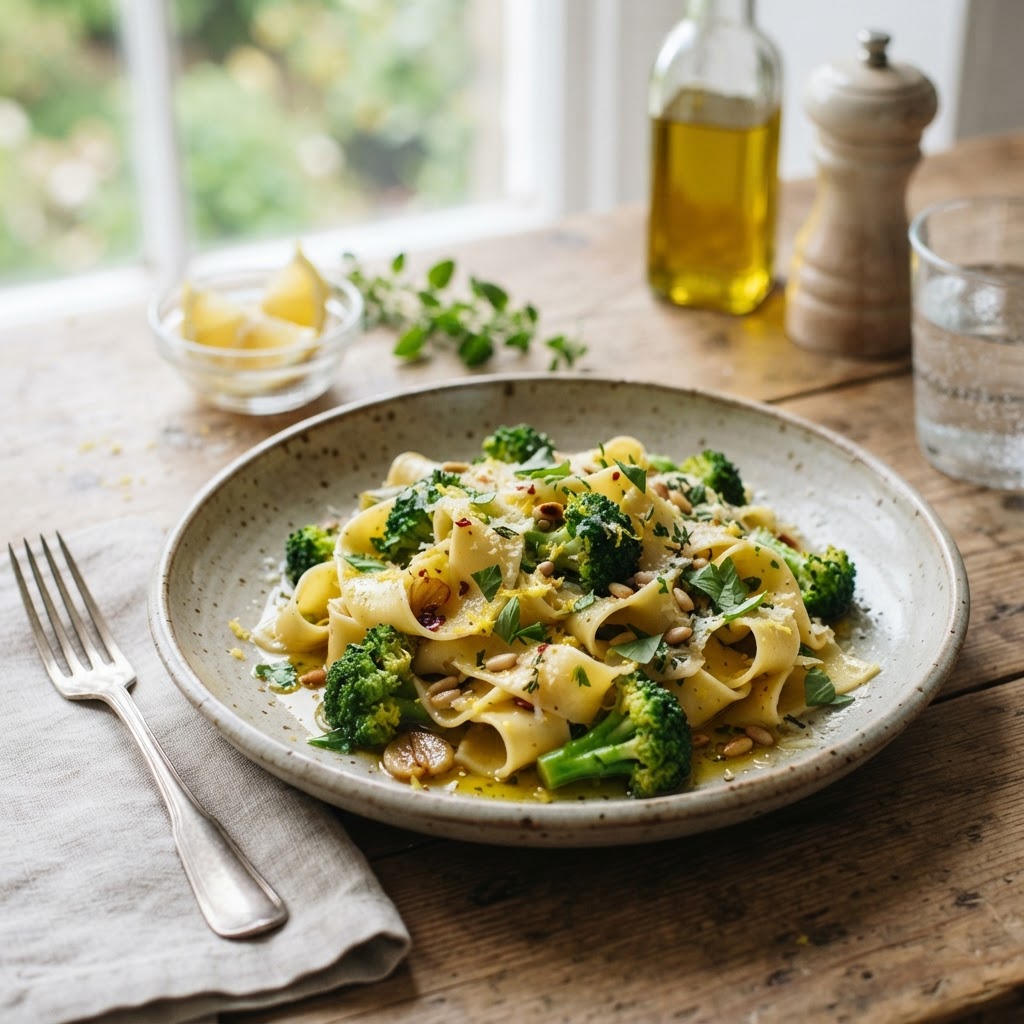
Broccoli and Lemon Zest Pasta
Wholesome broccoli provides the base for this light, Mediterranean-style pasta meal.
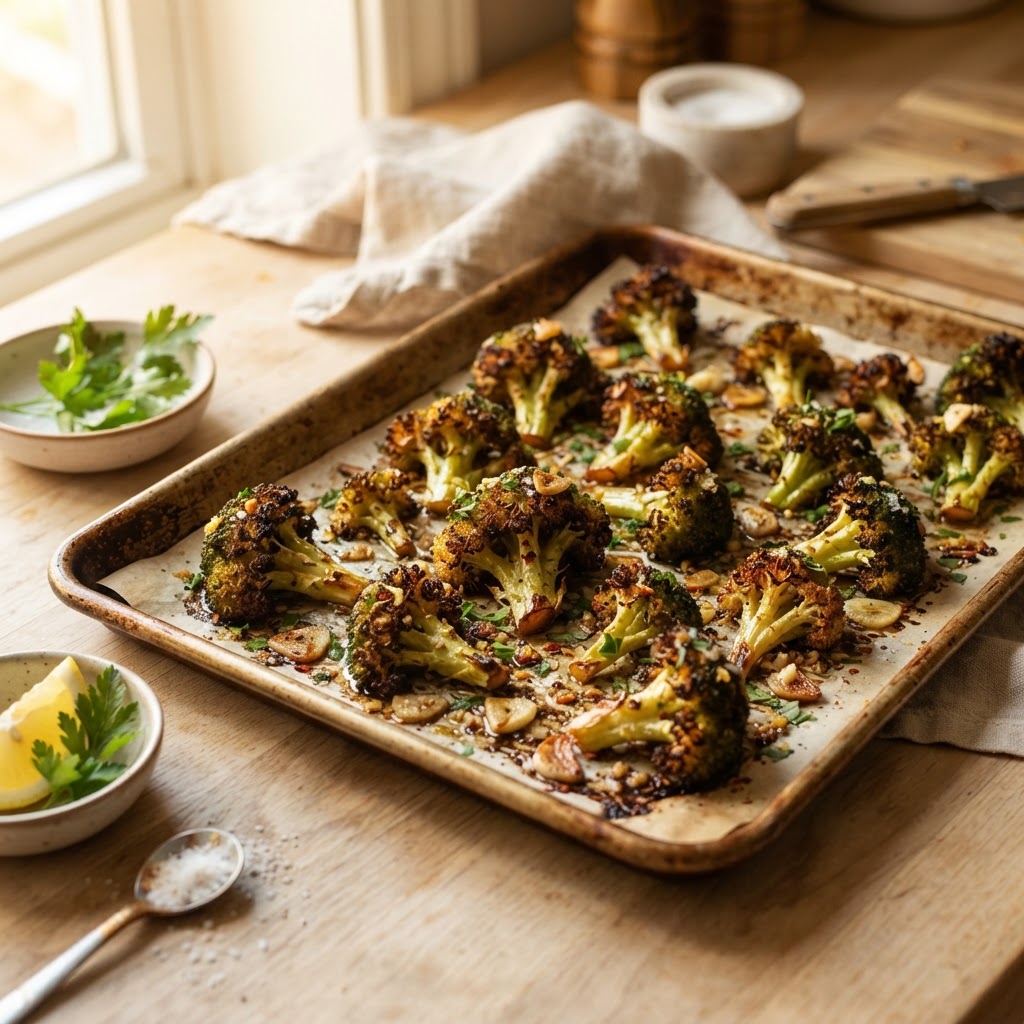
Garlic Roasted Broccoli
A simple and effective way to get essential greens, perfectly roasted for maximum flavor.
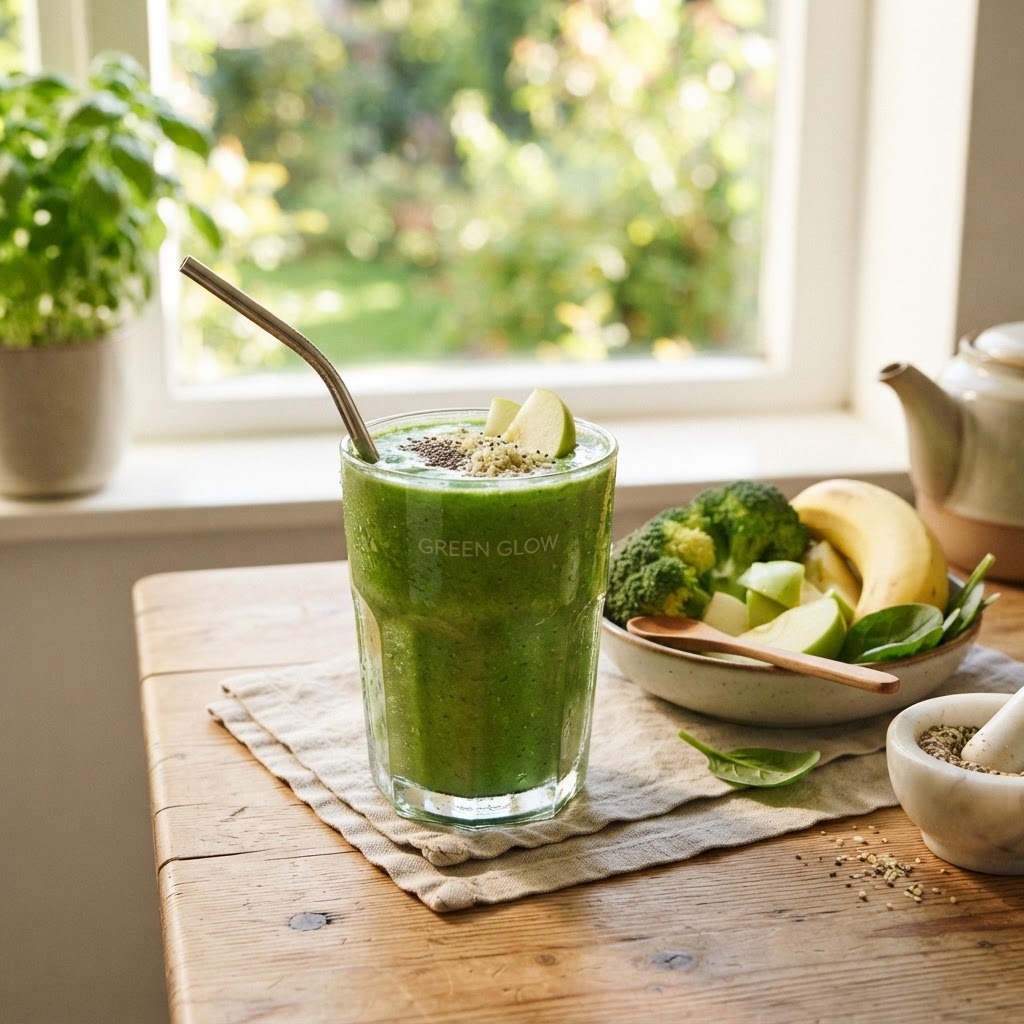
Broccoli and Apple Green Smoothie
A stealthy way to incorporate cruciferous vegetables into your daily routine for steady energy and recovery.
Frequently Asked Questions
Is raw or cooked broccoli better for blood sugar management?
Both are excellent, but lightly cooking broccoli can actually make its nutrients more bioavailable, while raw broccoli provides a harder crunch that promotes satiety.
Can broccoli really help with brain fog during recovery?
Yes, its combination of antioxidants and folate supports neurological repair and helps combat the chronic inflammation often associated with metabolic and nervous system stress.