Blueberries
Small antioxidant-rich berries linked to brain health.
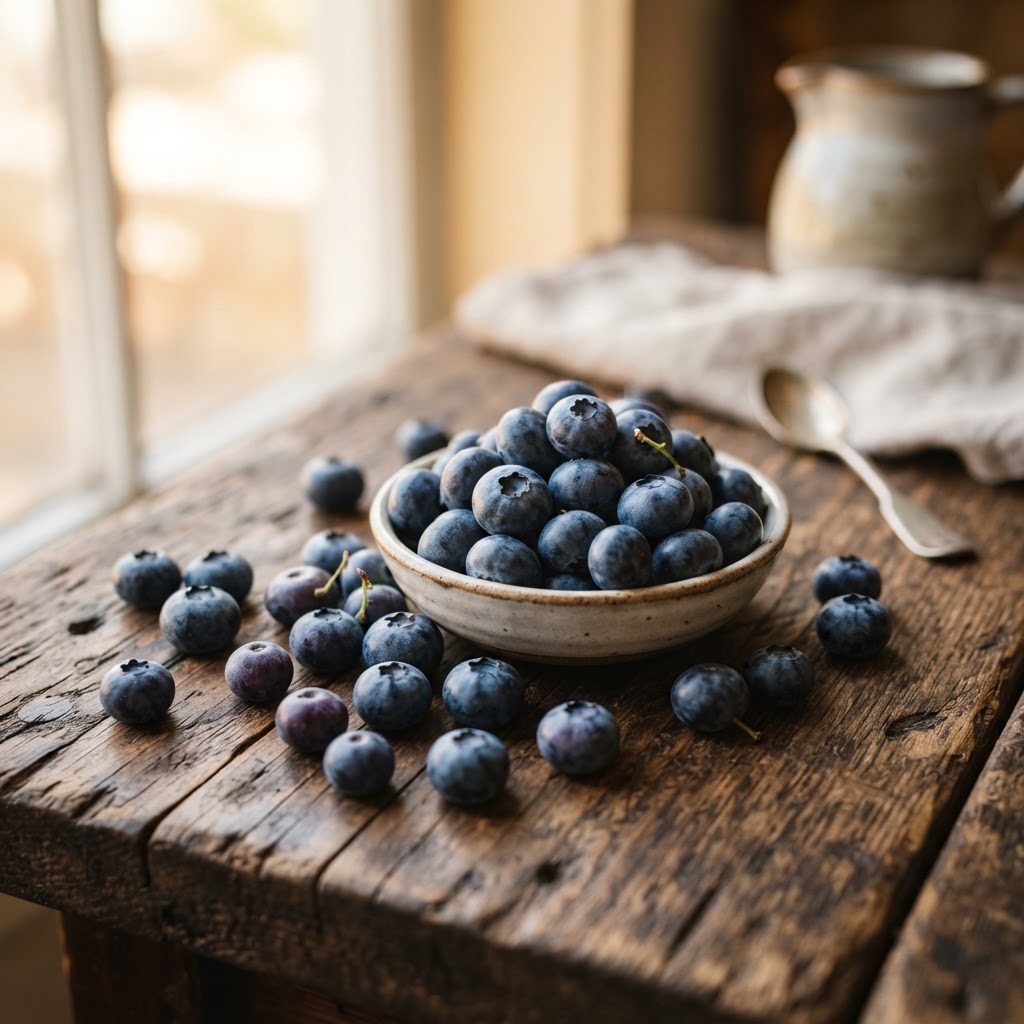
Blueberries are small but mighty superfruits that pack a punch of vibrant color and nutritional excellence in every bite. Known for their distinctively sweet and slightly tart profile, these berries serve as an essential cornerstone for a healthy, recovery-focused diet that supports cognitive longevity and blood sugar stability.
Quick Facts
Nutrition Snapshot
Health Benefits
What the Research Says
Clinical trials indicate that daily blueberry consumption can improve executive function and memory recall in older adults with mild cognitive impairment.
Studies on metabolic syndrome patients show that blueberry smoothies significantly improve insulin sensitivity markers compared to placebo.
How to Cook It
Preparation Tips
- •Fold gently into muffin or pancake batter at the very end to prevent the berries from bleeding their color.
- •Quick-simmer with a splash of water and lemon zest to create a healthy, low-sugar compote for oatmeal.
- •Freeze raw berries to use as natural, bite-sized cooling agents in recovery-friendly smoothies.
Flavor Pairings
- •Lemon zest
- •Walnuts
- •Greek yogurt
- •Fresh mint
Storage Tips
- •Do not wash your blueberries until right before you are ready to eat them to prevent mold growth.
- •Spread them out on a paper-towel-lined tray to absorb excess moisture before storing in the fridge.
- •For long-term storage, flash freeze them on a baking sheet before transferring to a freezer-safe bag.
How to Pick the Best One at the Store
Selection Tips
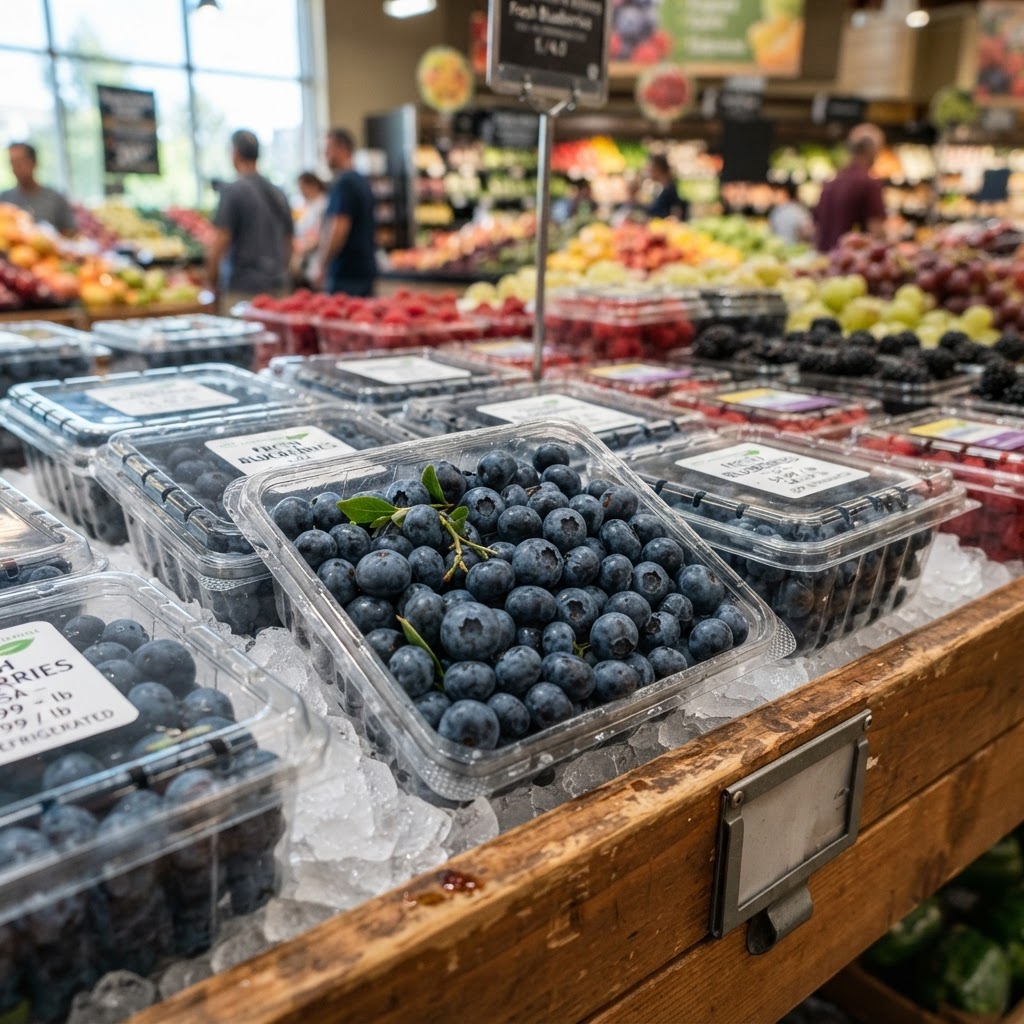
- •Look for berries that are uniform in size and have a deep blue color with a whitish, waxy coating known as 'bloom'.
- •Check the underside of the container for any signs of juice stains or wetness, which indicates squashed or aging fruit.
- •Give the carton a gentle shake; fresh, firm berries will move freely, whereas stuck-together berries may be overripe.
- •Avoid containers with visible mold or excessive moisture buildup on the lid.
Recipes Using Blueberries
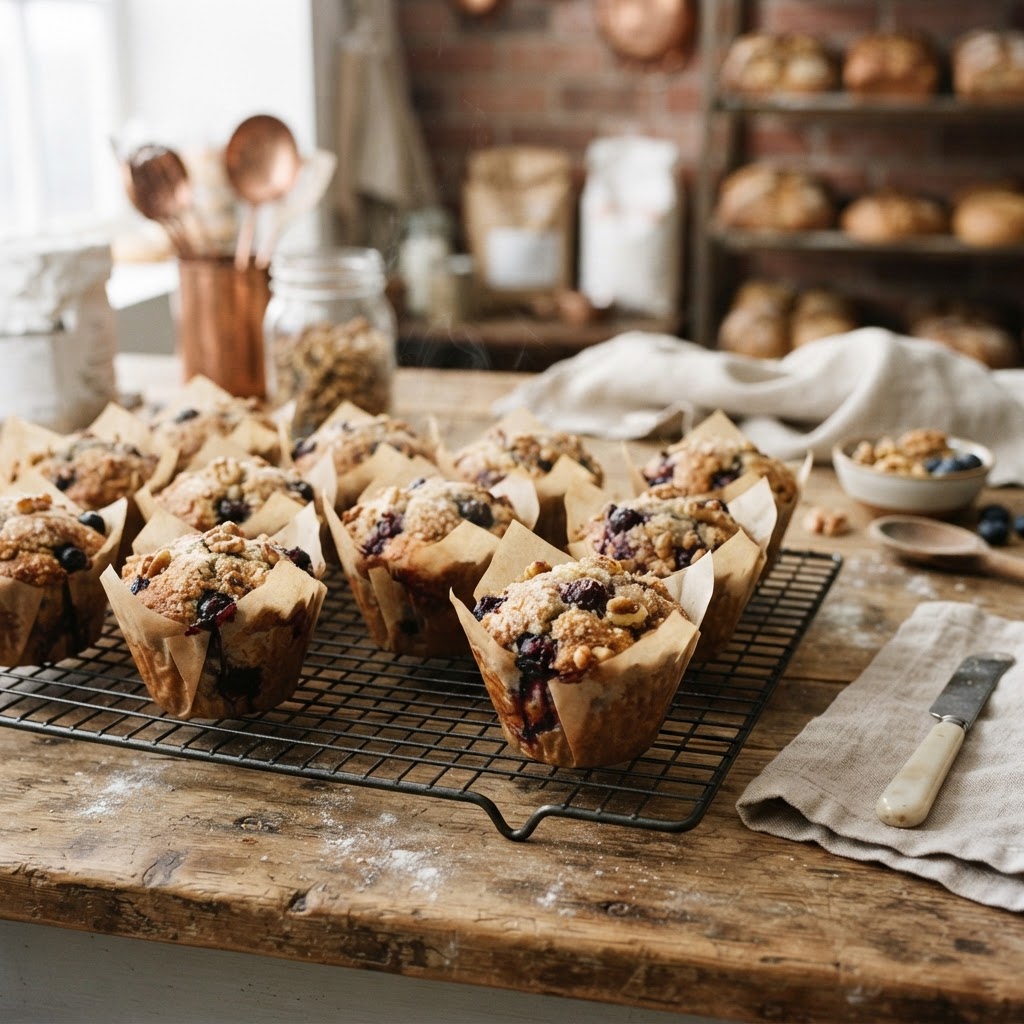
Blueberry Walnut Recovery Muffins
Whole grain muffins packed with omega-3s and fresh blueberries for recovery-friendly snacking.
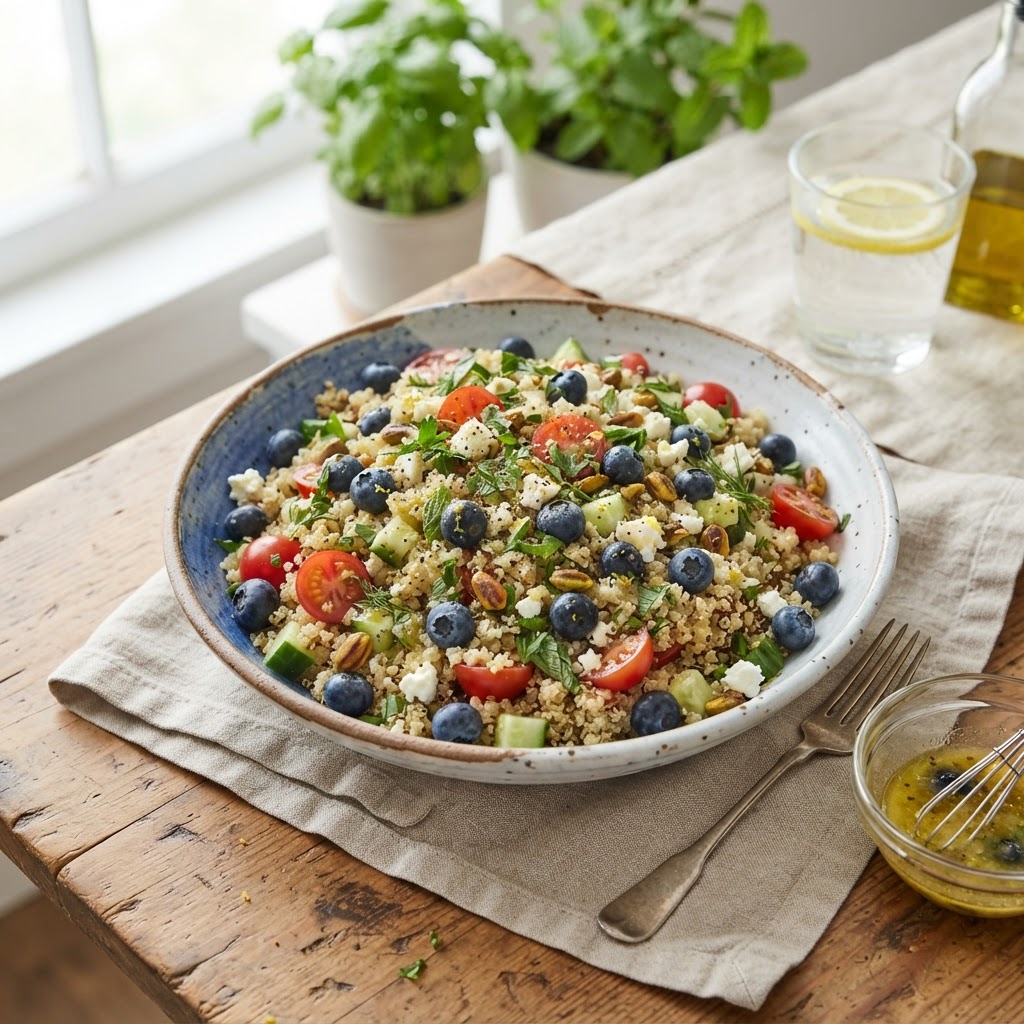
Lemon Blueberry Quinoa Salad
A light and zesty salad combining high-protein quinoa with sweet blueberries.
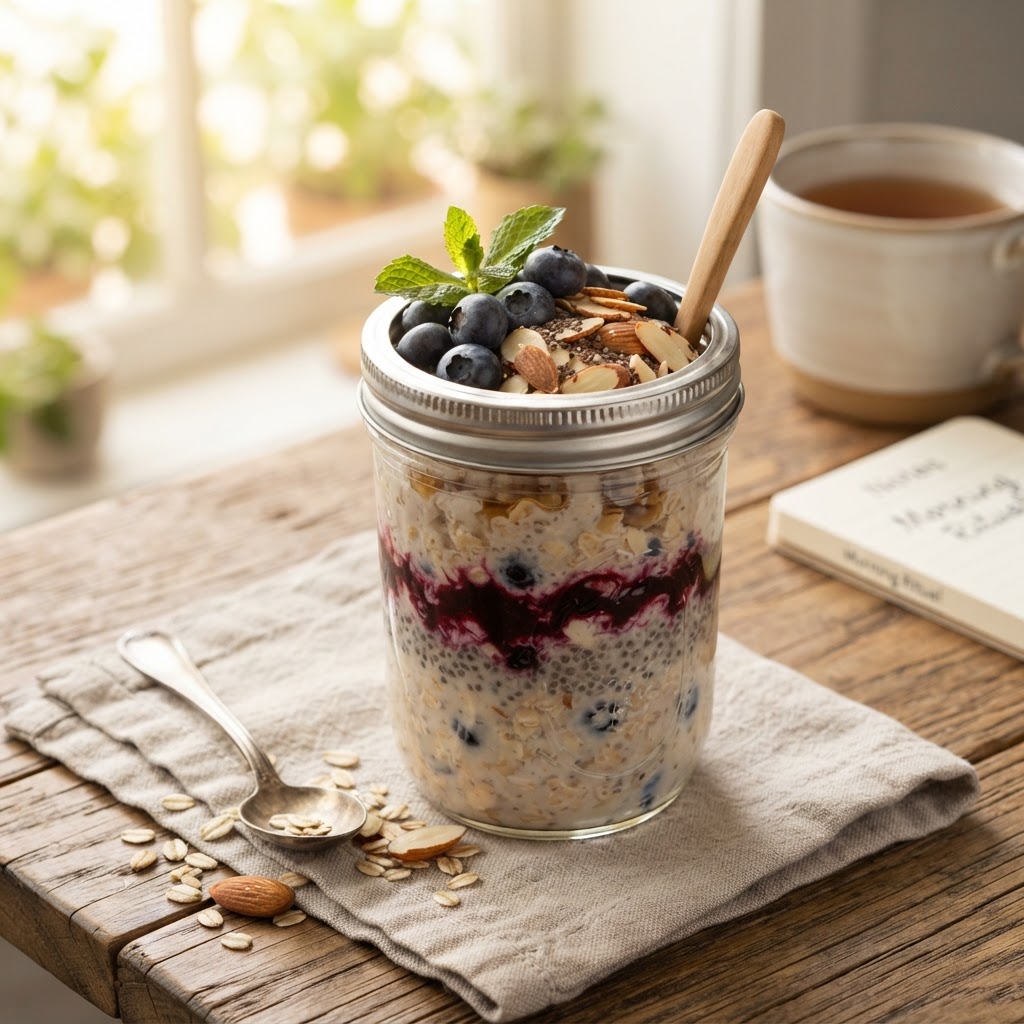
Blueberry Almond Overnight Oats
A prep-ahead breakfast designed to sustain energy levels throughout the morning.
Frequently Asked Questions
Are blueberries safe for those with Type 2 Diabetes?
Yes, their high fiber content and specific polyphenol profile help manage blood sugar levels, making them a better choice than higher-glycemic fruits.
Do frozen blueberries lose their nutritional value?
Not at all. Blueberries are often flash-frozen at peak ripeness, preserving the potent anthocyanin levels just as effectively as fresh ones.