Avocado
Creamy fruit rich in heart-healthy monounsaturated fats.

The avocado is a unique, nutrient-dense fruit celebrated for its buttery texture and rich, heart-healthy fats. Often referred to as nature's butter, it serves as a versatile staple in recovery-focused diets, providing sustained energy and supporting cognitive function through its abundance of essential vitamins and minerals.
Quick Facts
Nutrition Snapshot
Health Benefits
What the Research Says
Clinical trials indicate that incorporating avocados into meals can improve postprandial glucose and insulin responses by slowing gastric emptying.
Small-scale studies suggest that the lutein found in avocados may enhance cognitive performance and memory in older adults.
How to Cook It
Preparation Tips
- •Use mashed avocado as a nutrient-dense, plant-based substitute for butter or mayonnaise in sandwiches.
- •Blend into smoothies to provide a creamy, thick texture without the need for dairy or high-glycemic sweeteners.
- •Add sliced avocado to salads at the very end to keep the slices intact and visually appealing.
Flavor Pairings
- •Lime and Cilantro
- •Chili and Smoked Paprika
- •Egg and Whole-Grain Toast
- •Tomato and Balsamic Glaze
Storage Tips
- •Place unripe avocados in a brown paper bag with a banana or apple to accelerate the ripening process.
- •Once cut, squeeze fresh lemon or lime juice over the exposed flesh to prevent rapid oxidation and browning.
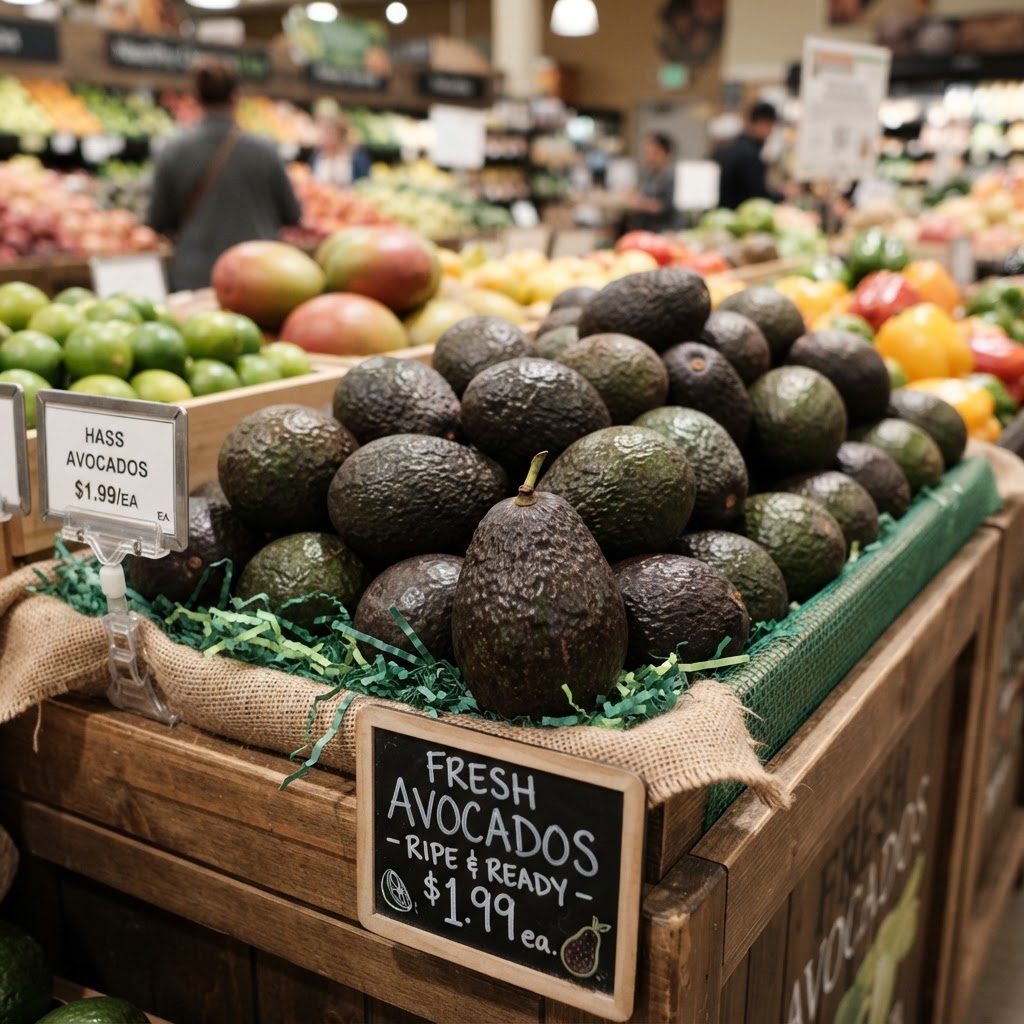
How to Pick the Best One at the Store
Selection Tips
- •Check the color: A dark green to near-black skin usually indicates readiness for eating.
- •Gently squeeze the fruit; it should yield slightly to firm pressure without feeling mushy or leaving indentations.
- •Flick the small stem nub off the top; if it comes off easily and reveals bright green underneath, it is perfectly ripe.
- •Avoid avocados with flat, sunken spots, which may indicate bruising or internal rot.
Recipes Using Avocado

Creamy Avocado Lime Mousse
A healthy dessert alternative packed with heart-healthy monounsaturated fats.

Avocado Turkey Toast
A balanced breakfast featuring healthy fats and lean protein for sustained focus.

Avocado Stuffed Bell Peppers
A nutrient-dense dinner that is visually appealing and satisfying.
Frequently Asked Questions
Can avocados really help with blood sugar management?
Yes, their unique combination of fiber and healthy fats helps prevent sharp spikes in blood glucose, making them an excellent choice for a diabetes-friendly diet.
Why are avocados recommended for nervous system support?
They are a rich source of potassium and magnesium, two minerals that play a critical role in nerve function and help the body manage physiological stress during recovery.