Potatoes
Versatile starchy vegetable rich in potassium and vitamin C.
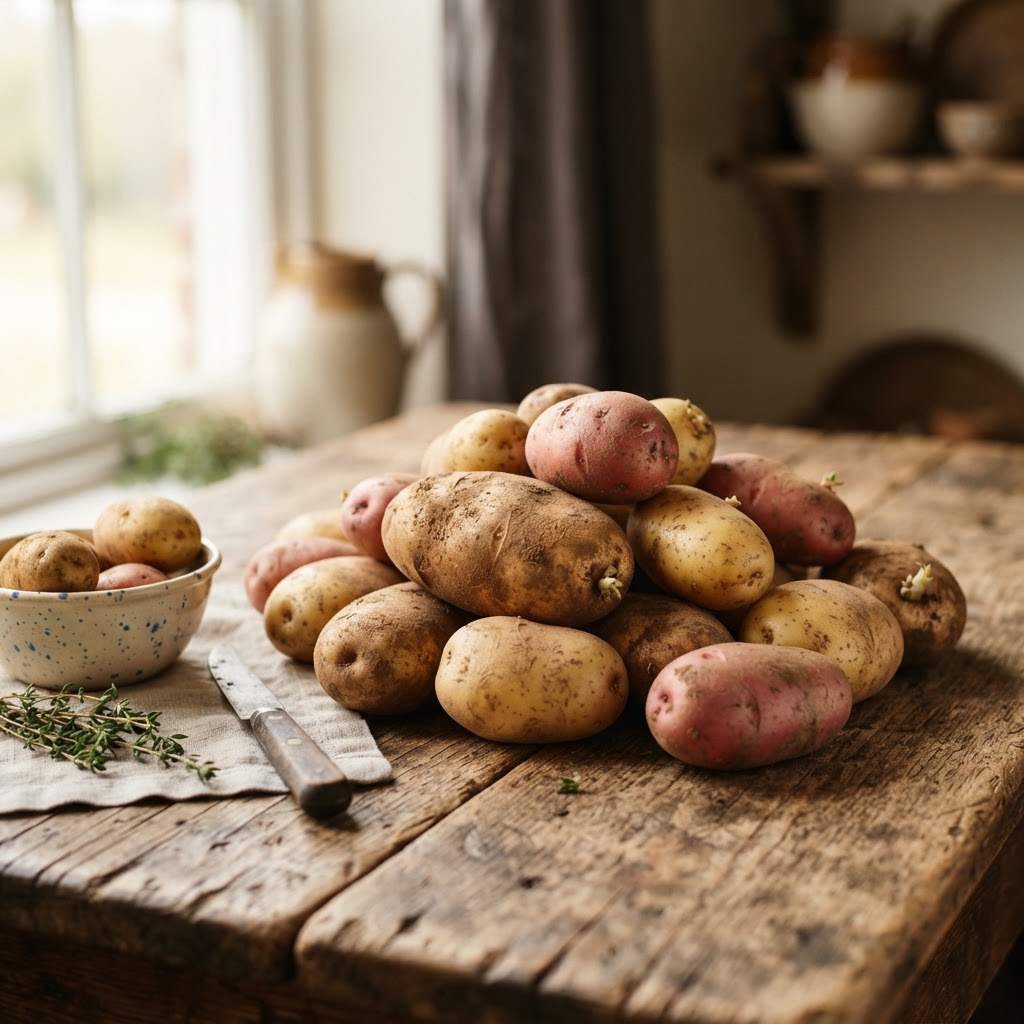
Potatoes are one of the world's most versatile and comforting vegetables, offering a nutrient-dense foundation for wholesome meals. When prepared thoughtfully, they provide essential energy, steady fuel for the brain, and gut-healthy resistant starch to support overall vitality.
Quick Facts
Nutrition Snapshot
Health Benefits
What the Research Says
Studies suggest that cooling cooked potatoes changes their starch structure into resistant starch, which causes a lower glycemic response compared to freshly boiled potatoes.
Emerging research indicates that adequate B-vitamin status may help slow cognitive decline, though human trials specifically isolating the potato are needed for definitive confirmation.
How to Cook It
Preparation Tips
- •Cook and chill potatoes for at least 24 hours to maximize their resistant starch content.
- •Keep the skins on whenever possible to retain the highest concentration of fiber and micronutrients.
- •Steam rather than boil to preserve water-soluble vitamins like Vitamin C and B6.
Flavor Pairings
- •Fresh rosemary
- •Garlic
- •Extra virgin olive oil
- •Chives
Storage Tips
- •Keep potatoes in a paper or burlap bag to allow airflow.
- •Store away from onions, as the gases from onions can cause potatoes to sprout prematurely.
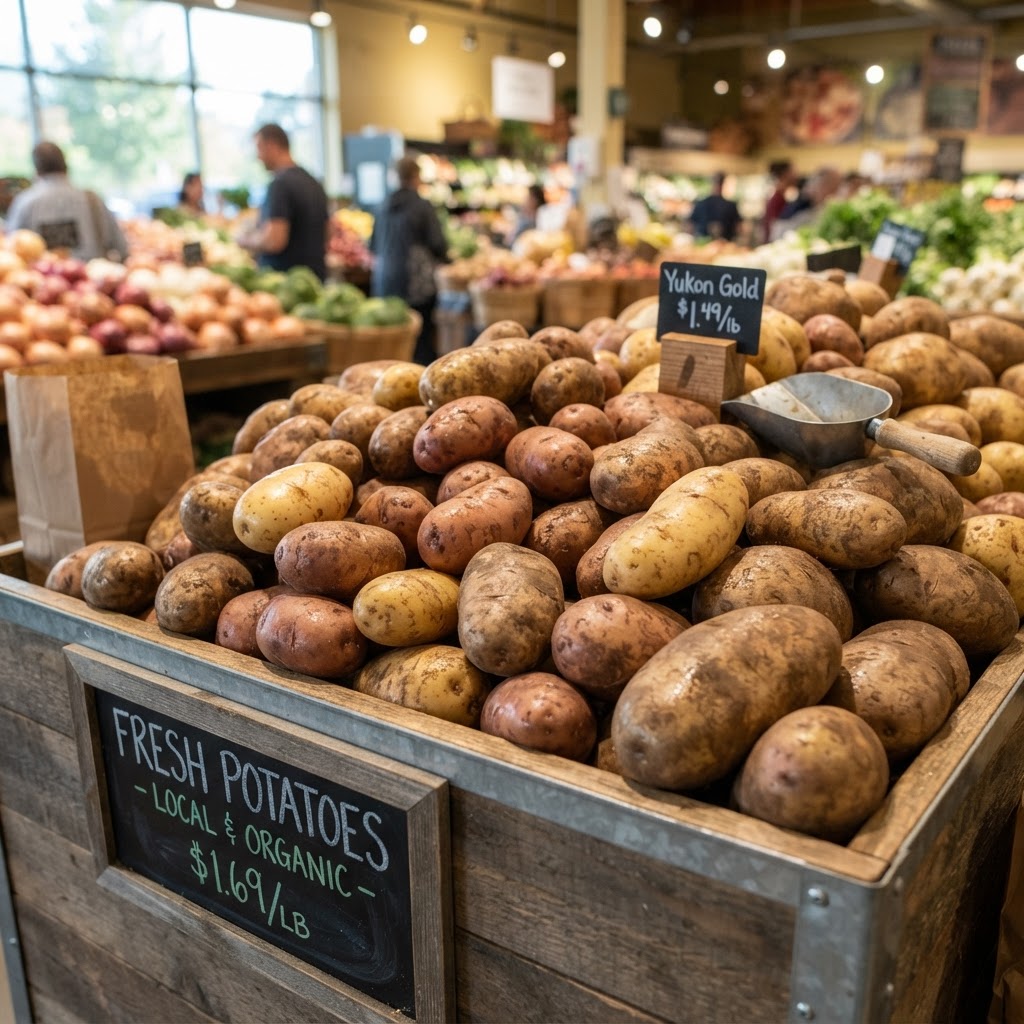
How to Pick the Best One at the Store
Selection Tips
- •Look for potatoes that feel firm and heavy for their size.
- •Avoid specimens with significant green patches, as these indicate high solanine levels.
- •Check for deep cuts, bruises, or soft spots which suggest premature decay.
- •Steer clear of any potatoes that have begun to sprout, as this indicates a loss of nutritional quality.
Recipes Using Potatoes
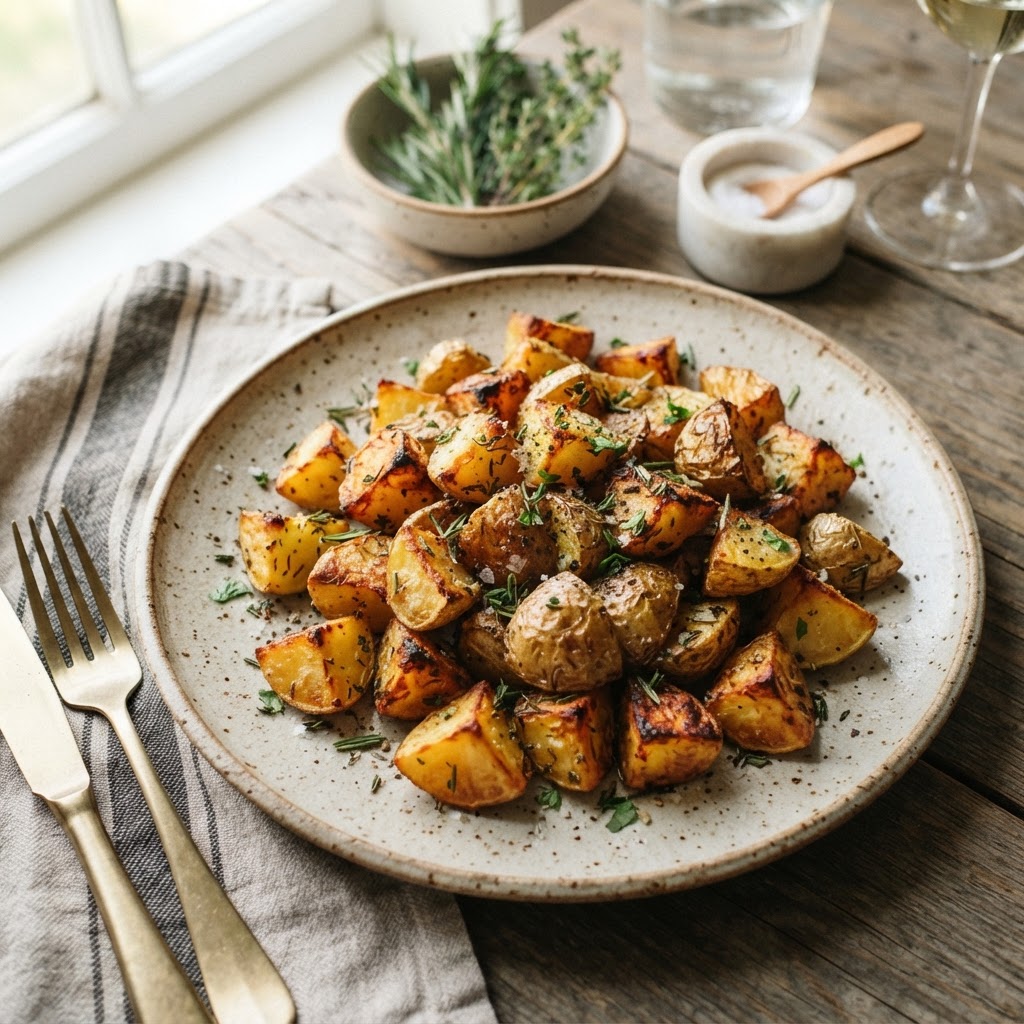
Roasted Herb Potatoes
A classic, comforting side dish rich in potassium to support healthy nerves.
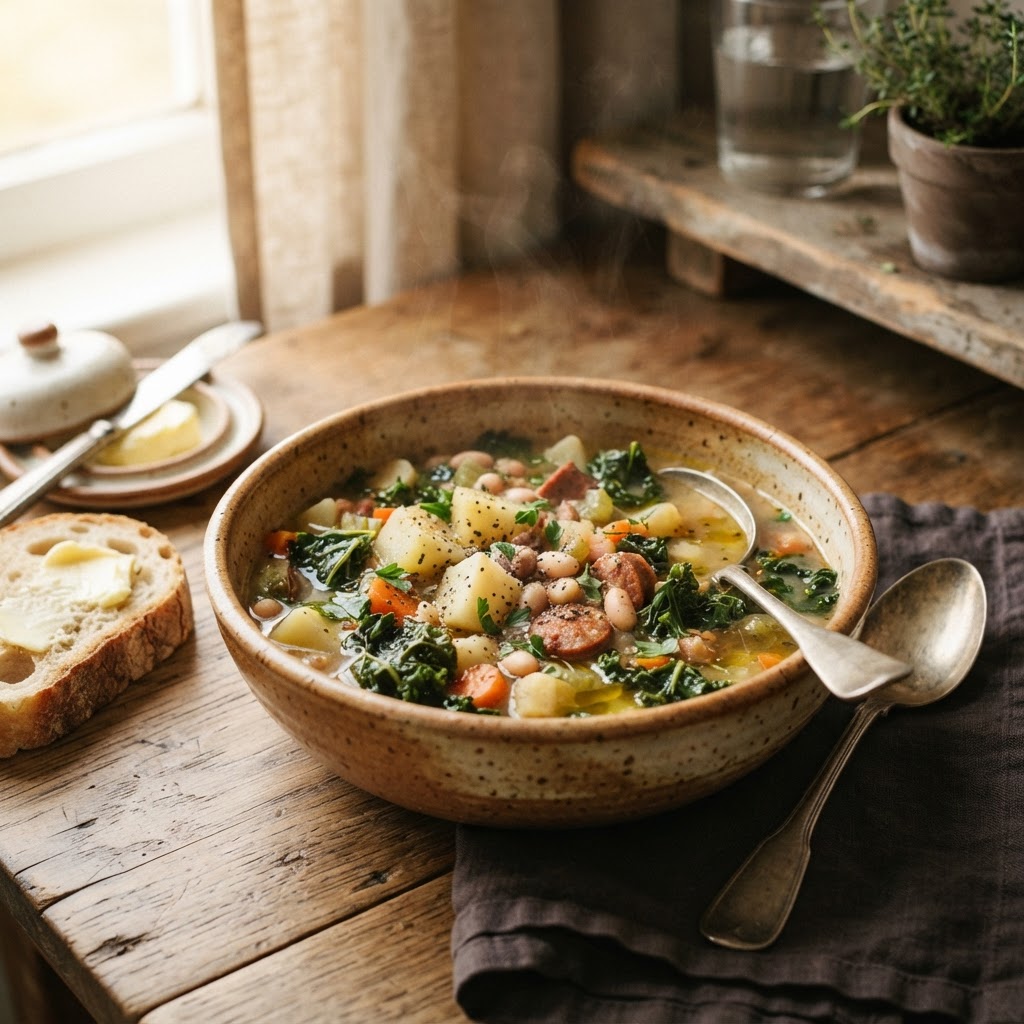
Potato and Kale Soup
A nutrient-packed, soothing soup perfect for healing the gut and calming the mind.

Simple Potato Salad
A healthier, mayo-free version of a classic potato salad using healthy fats.
Frequently Asked Questions
Can I eat potatoes if I'm watching my blood sugar?
Yes, in moderation. Opt for boiling or steaming instead of frying, and cooling them after cooking to increase the resistant starch content, which helps flatten the blood sugar response.
Why do potatoes sometimes turn green?
Green skin indicates exposure to light, which triggers chlorophyll production and the development of solanine, a natural toxin; it is best to discard potatoes with significant greening.