Pomegranate
Jewel-toned fruit packed with antioxidant polyphenols.
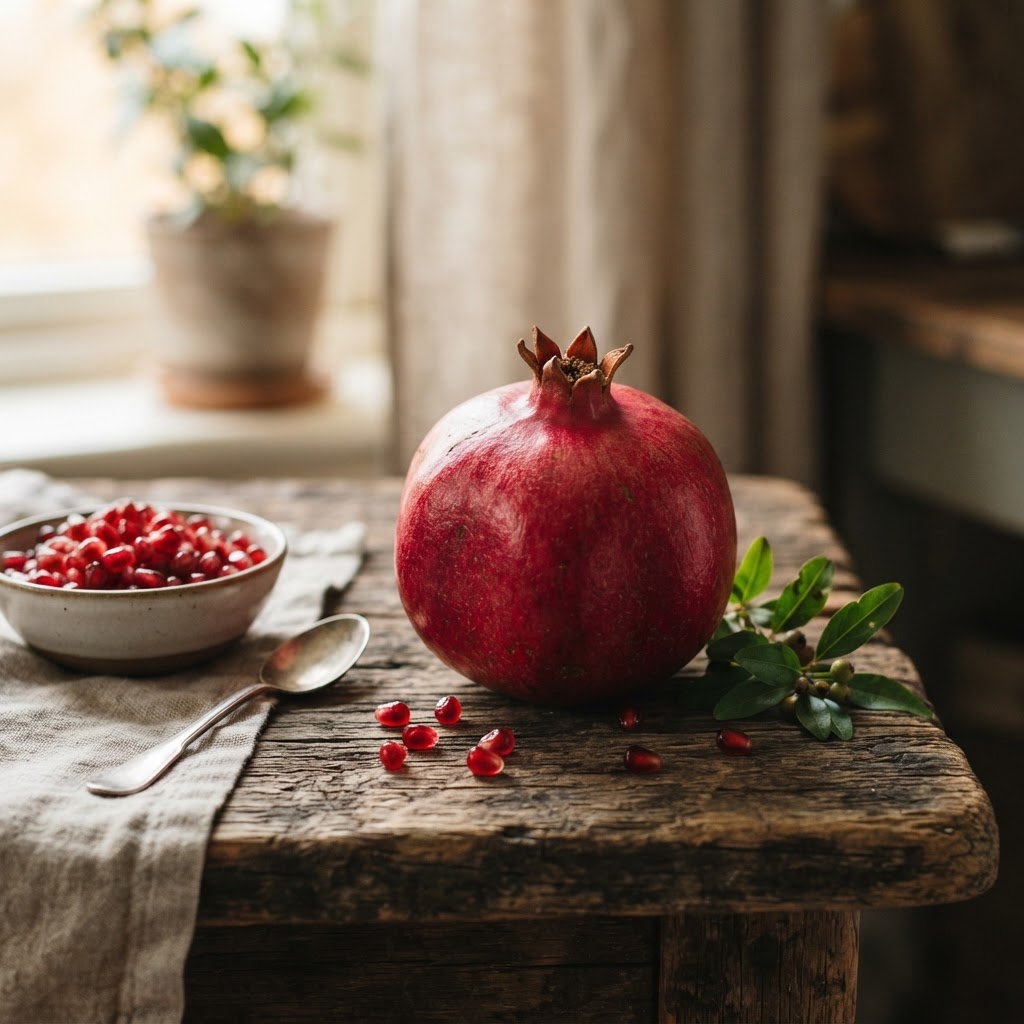
Dive into the jewel-toned wonder of pomegranates, a fruit celebrated for its vibrant color and unique flavor. Bursting with juicy arils, this ancient fruit offers a delightful sweet-tart taste that can elevate any dish. Incorporating pomegranates into your diet is a delicious way to support your wellness journey, especially when managing blood sugar, enhancing cognitive function, or aiding nervous system recovery.
Quick Facts
Nutrition Snapshot
Health Benefits
What the Research Says
Some studies suggest that compounds in pomegranate may help improve insulin sensitivity and reduce blood glucose levels, which could be beneficial for individuals managing Type 2 Diabetes. However, more robust human trials are needed.
Research indicates that the antioxidants in pomegranates, particularly punicalagins, may have neuroprotective effects and could support memory and cognitive function. Animal studies and preliminary human trials suggest potential benefits for brain health and Alzheimer's prevention.
How to Cook It
Preparation Tips
- •To easily extract arils, score the pomegranate around the equator and twist apart. Then, hold each half over a bowl of water, cut side down, and tap the back with a spoon to loosen the arils.
- •The membrane separating the arils can be bitter; remove as much as possible before eating or cooking.
- •Pomegranate molasses (a reduced pomegranate juice) adds a wonderfully tart and sweet depth to dressings and marinades.
Flavor Pairings
- •Yogurt and honey
- •Salads with leafy greens and nuts
- •Roasted vegetables like Brussels sprouts or sweet potatoes
- •Lamb, chicken, or fish
Storage Tips
- •Store whole, un-cut pomegranates in a cool, dark place or the refrigerator for longer shelf life.
- •Arils can be stored in an airtight container in the refrigerator for up to 5 days.
- •Freeze arils on a baking sheet until solid, then transfer to a freezer bag for a longer-lasting supply.
How to Pick the Best One at the Store
Selection Tips
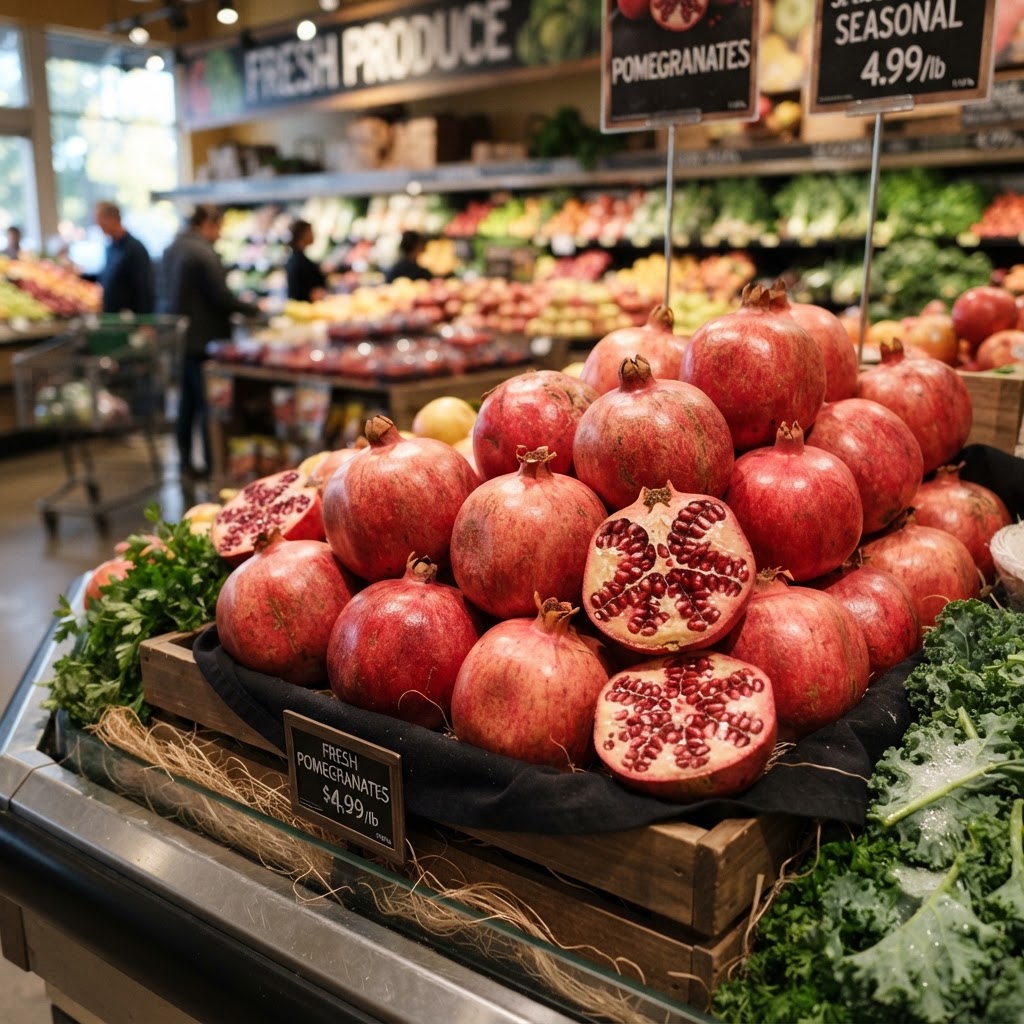
- •Look for pomegranates that feel heavy for their size, indicating juiciness.
- •Choose fruits with firm, smooth skin that is free from major bruises, cuts, or soft spots.
- •The color can range from yellow to deep red; focus more on the weight and skin condition.
- •A slightly angular shape is normal; avoid perfectly round ones, which might be less mature.
Recipes Using Pomegranate
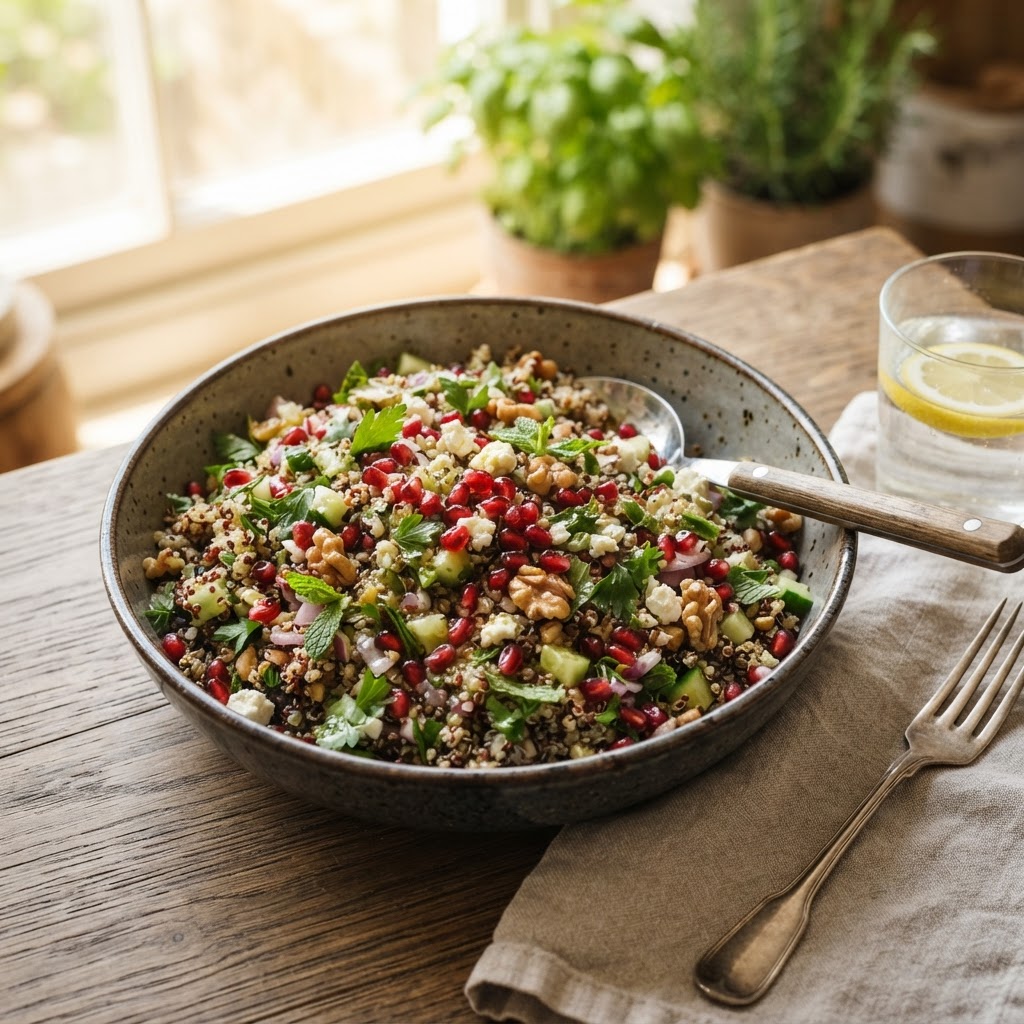
Pomegranate Antioxidant Quinoa Salad
Loaded with antioxidants, this vibrant salad is perfect for recovery after a workout.

Pomegranate Glazed Salmon
A sophisticated, heart-healthy dinner featuring a reduction of pomegranate juice for antioxidant-rich recovery.
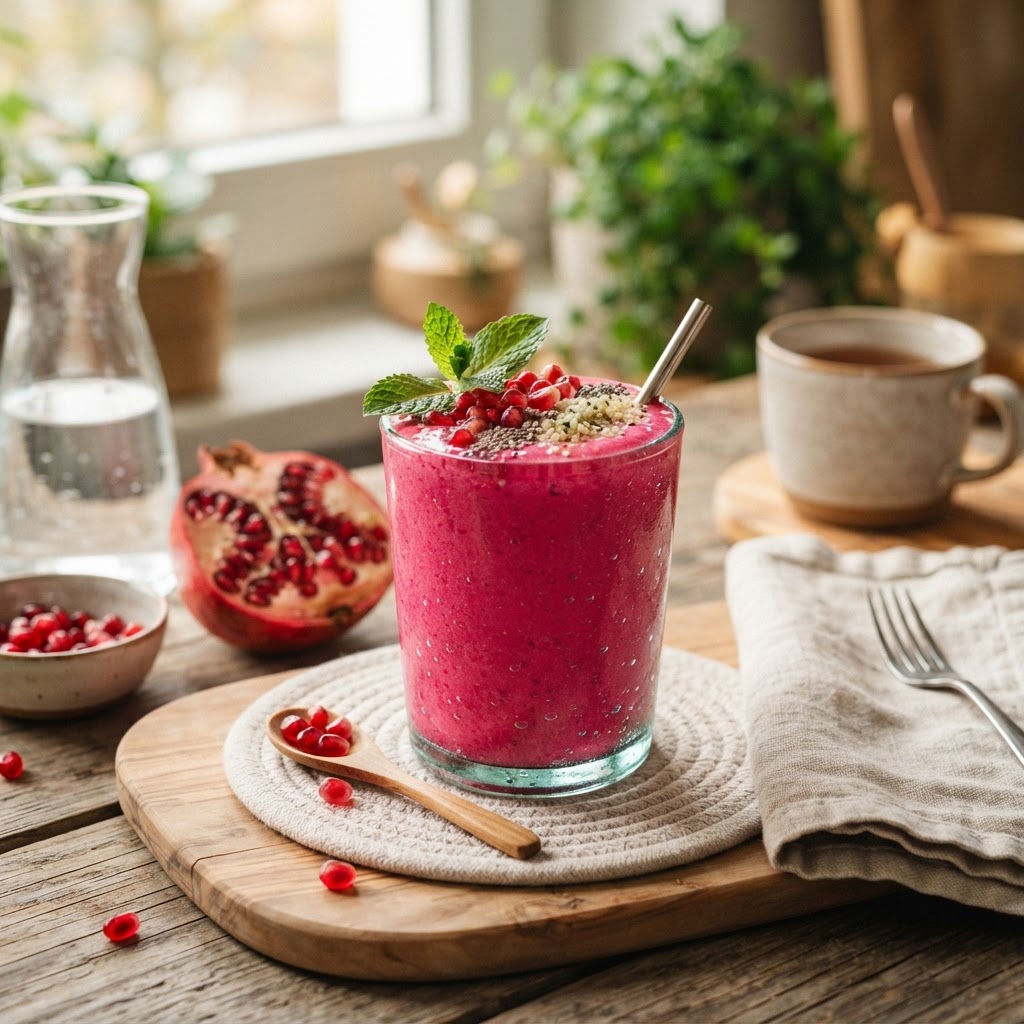
Morning Pomegranate Energy Smoothie
Start your day with this vibrant red smoothie packed with refreshing pomegranate goodness.
Frequently Asked Questions
How do I eat a pomegranate?
The best part of the pomegranate is the juicy arils, which are the seeds enclosed in a fleshy, edible sac. You can eat them fresh as a snack, sprinkle them on salads, yogurt, or oatmeal, or use them in both sweet and savory dishes. The juice can also be consumed.
Are pomegranate seeds edible?
Yes, the arils, which contain the seeds, are perfectly edible and are the most consumed part of the pomegranate. The seeds inside the arils are also edible and can be chewed or swallowed. The white pithy membrane inside the fruit is not typically eaten as it can be bitter.