Limes
Tangy citrus used to add acidity and vitamin C to dishes.
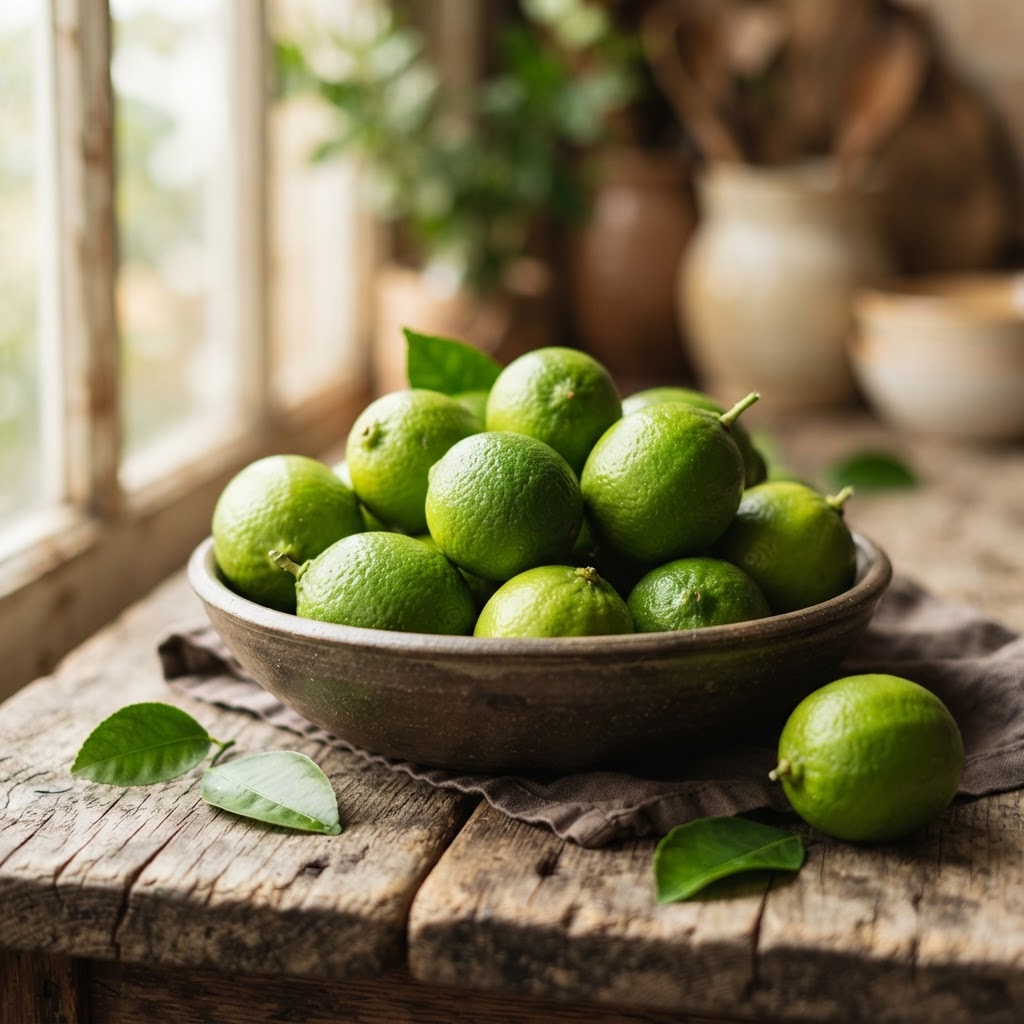
Limes are vibrant, citrus powerhouses that bring a bright, zesty acidity to any dish, helping to elevate flavor without relying on processed sugars or excessive sodium. These refreshing fruits not only invigorate the palate but provide a concentrated boost of nutrients that support metabolic health and nervous system resilience. Incorporating fresh lime into your daily routine is a simple, delicious way to nourish your body while you focus on long-term healing and recovery.

Quick Facts
Nutrition Snapshot
Health Benefits
What the Research Says
Studies suggest that specific citrus flavonoids like hesperidin can cross the blood-brain barrier to reduce inflammation and oxidative damage associated with Alzheimer's disease.
Clinical research consistently shows that adding acidic components like lime juice to a carbohydrate-rich meal can reduce the overall glycemic response of that meal.
How to Cook It
Preparation Tips
- •Use the zest to infuse dressings and marinades with essential oils without adding extra liquid volume.
- •Add fresh lime juice at the very end of the cooking process to preserve the heat-sensitive Vitamin C.
- •Use lime juice as a salt alternative to enhance flavors in soups and roasted vegetables for better blood pressure management.
Flavor Pairings
- •Cilantro
- •Avocado
- •Chili pepper
- •Ginger
Storage Tips
- •Keep limes in a sealed plastic bag in the refrigerator to prevent the skin from drying out.
- •If you only need a few drops, pierce the lime with a skewer and squeeze, then store the rest in the fridge for later use.
How to Pick the Best One at the Store
Selection Tips
- •Choose limes that feel heavy for their size, which indicates high juice content.
- •Look for skin that is smooth and glossy; dull skin often indicates that the fruit is dehydrated.
- •Gently press the skin; it should feel slightly firm but have a slight give, avoiding fruit that is rock-hard or overly soft.
- •Avoid limes with brown spots or visible bruising, which can affect the flavor of the zest.
Recipes Using Limes
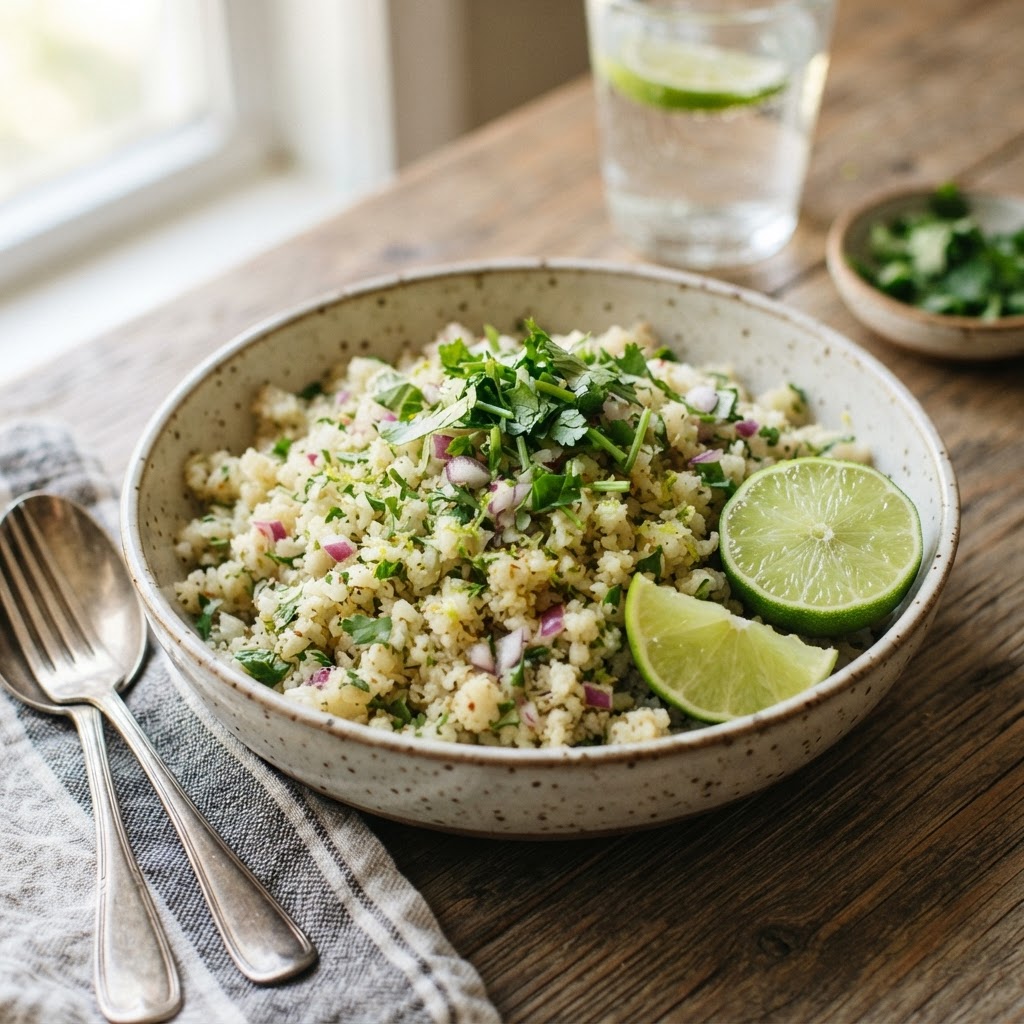
Lime Cilantro Cauliflower Rice
A light, grain-free side dish using the bright, zesty profile of fresh limes.

Lime Avocado Smash
High in healthy fats, this snack supports stable mood and steady energy.

Zesty Lime Slaw
A crisp, refreshing slaw that serves as a gut-healthy side dish.
Frequently Asked Questions
Can I use bottled lime juice instead of fresh?
While convenient, bottled juice often contains preservatives and loses the delicate volatile oils and Vitamin C found in fresh, hand-squeezed lime.
Is it safe to consume the lime peel?
Yes, the peel contains concentrated flavonoids and essential oils; just be sure to wash the fruit thoroughly or choose organic to avoid pesticide residue.