Grapes
Sweet, juicy fruit containing beneficial polyphenols.
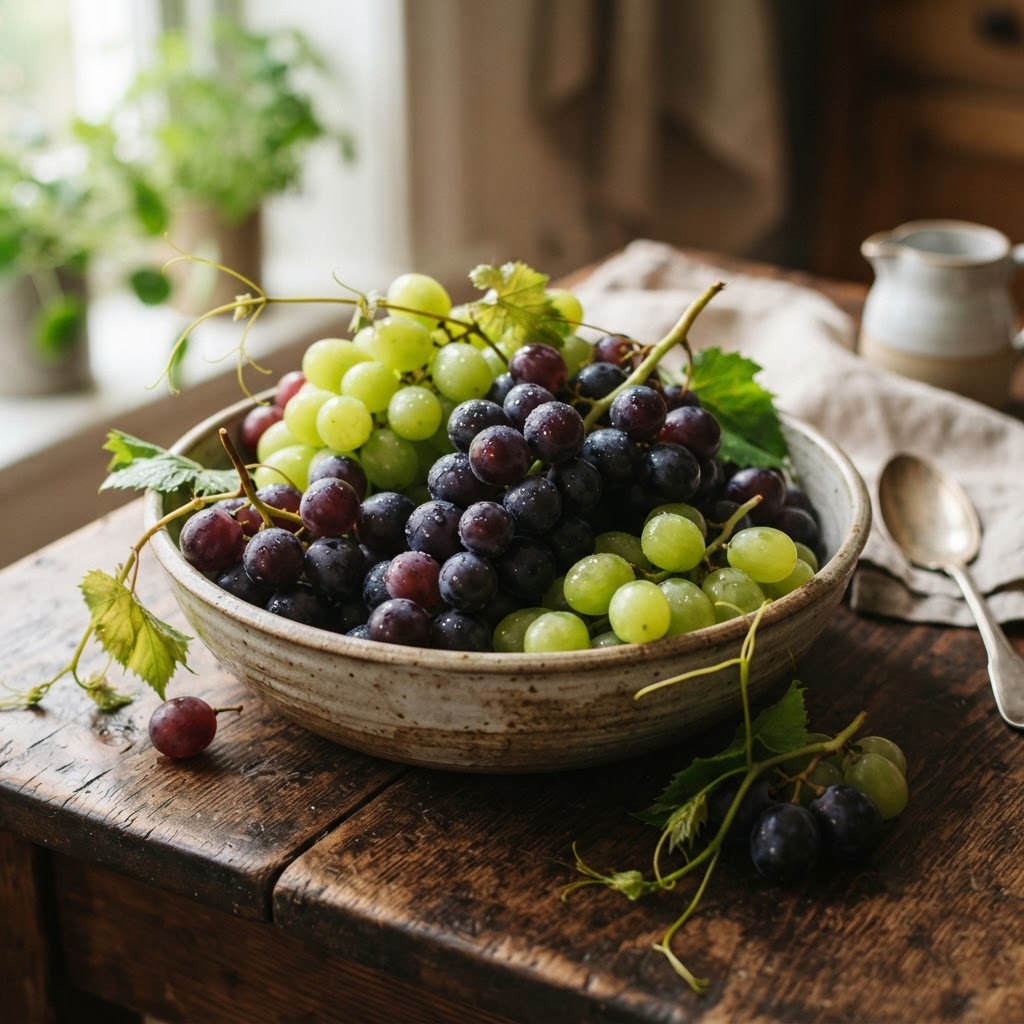
Grapes are nature's sweet, juicy jewels, bursting with flavor and packed with beneficial compounds. These versatile fruits, whether enjoyed fresh, dried, or in culinary creations, offer a delightful way to support your wellness journey, especially in managing blood sugar, boosting brain function, and aiding nervous system recovery.
Quick Facts
Nutrition Snapshot
Health Benefits
What the Research Says
Studies suggest that resveratrol, abundant in grapes, may enhance memory and protect against age-related cognitive decline by improving blood flow to the brain and reducing inflammation. Human trials are ongoing, but preclinical data shows promise for neuroprotection.
Research indicates that the polyphenols in grapes can positively influence glucose metabolism and insulin response. While not a cure, incorporating grapes into a balanced diet may contribute to better glycemic control in individuals with Type 2 Diabetes.
How to Cook It
Preparation Tips
- •Wash grapes thoroughly under cool running water before eating or cooking.
- •Roast grapes with herbs like rosemary or thyme for a sweet and savory side dish.
- •Blend frozen grapes into smoothies for a naturally thick and refreshing treat without added ice.
Flavor Pairings
- •Cheese (goat cheese, brie, cheddar)
- •Nuts (walnuts, almonds, pecans)
- •Chicken or pork
- •Salad greens (arugula, spinach)
Storage Tips
- •Do not wash grapes until you are ready to eat them, as excess moisture can promote spoilage.
- •Store them in their original packaging or a breathable bag in the crisper drawer of your refrigerator.
- •Separate any damaged or moldy grapes to prevent the spread to the rest of the bunch.
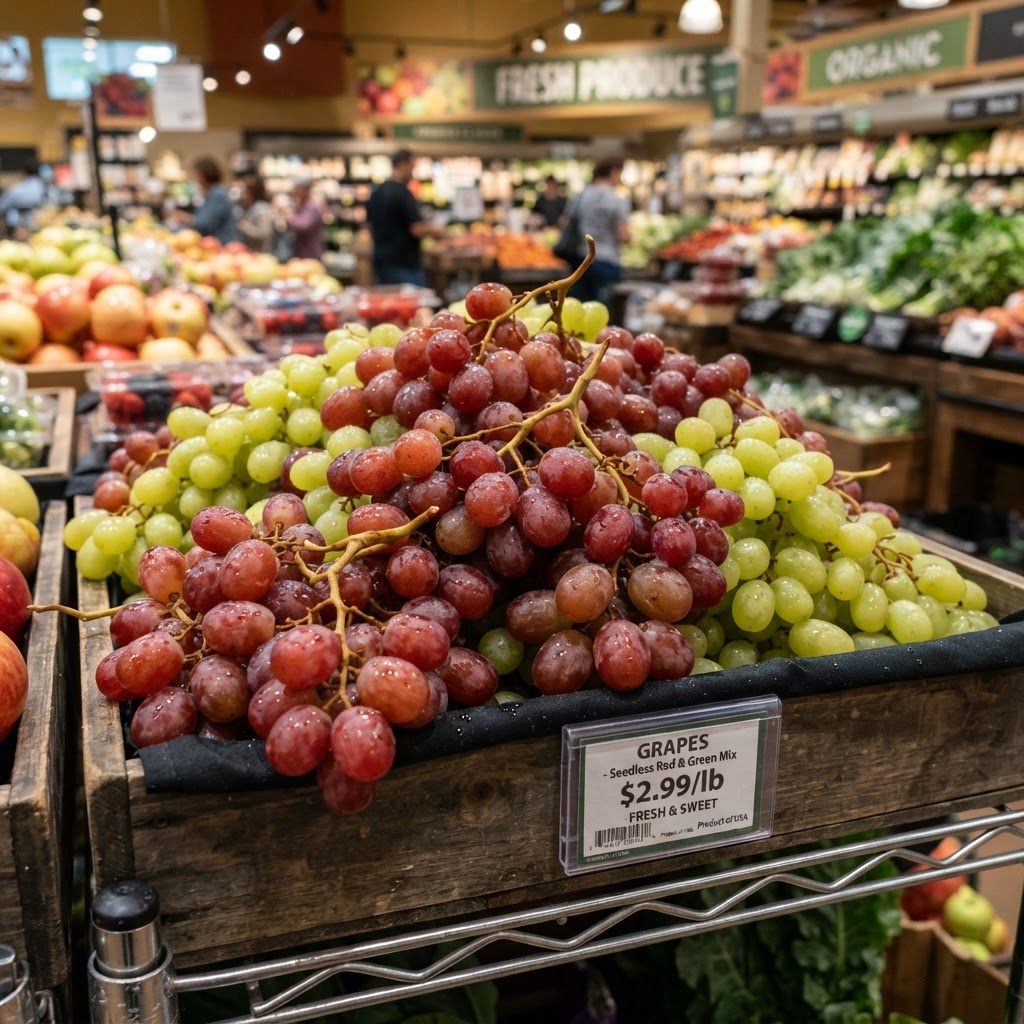
How to Pick the Best One at the Store
Selection Tips
- •Look for plump, firm grapes that are firmly attached to their stems.
- •Avoid bunches with soft, shriveled, or moldy berries.
- •A light, powdery bloom on the grape skin is a sign of freshness.
- •Check for any signs of leakage or stickiness at the bottom of the container, which can indicate spoilage.
Recipes Using Grapes

Frozen Grape Pops
An easy, cooling snack to help mitigate cravings while providing hydration.
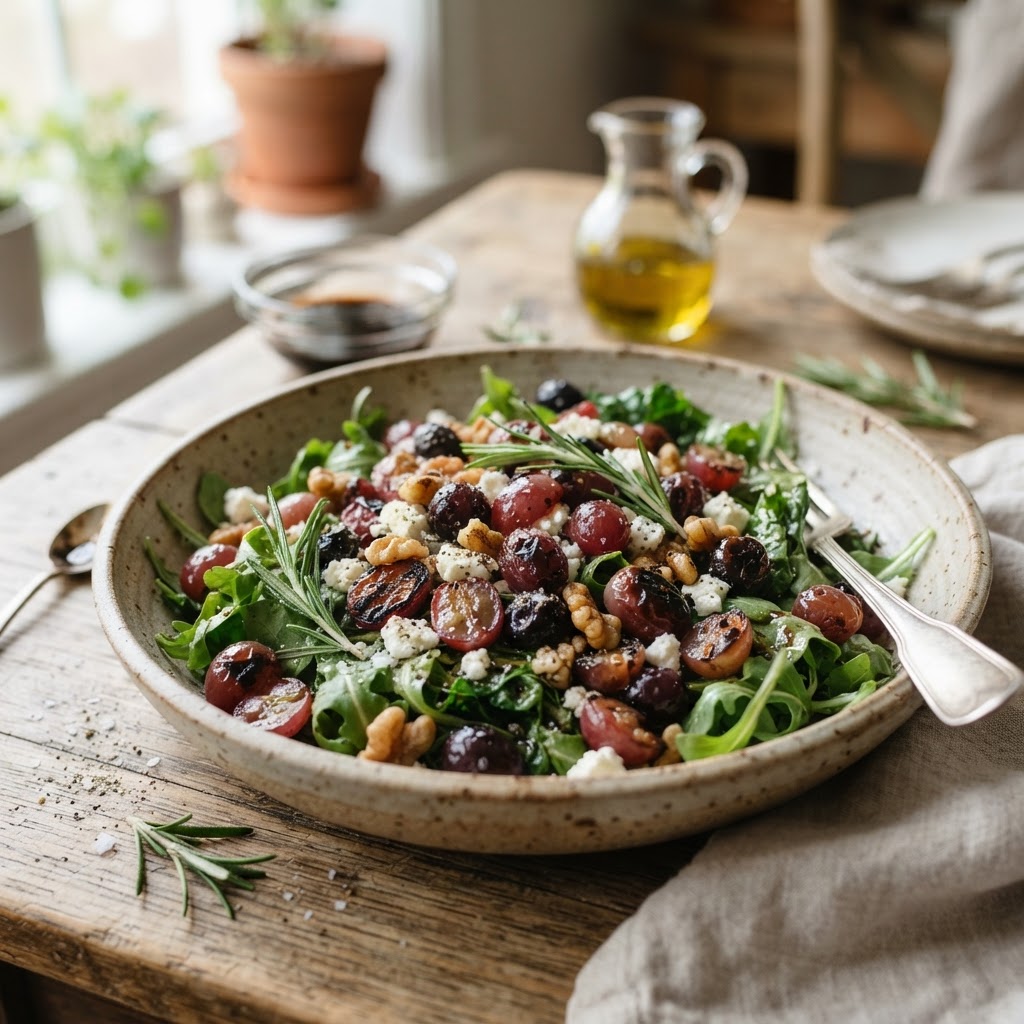
Roasted Grape and Rosemary Salad
Sweet roasted grapes add depth to this nutrient-dense green salad.

Grape and Walnut Snack Plate
A perfect quick snack balancing natural sugars with healthy fats for steady energy.
Frequently Asked Questions
Are grapes good for weight loss?
Grapes are relatively low in calories and high in water content, which can contribute to satiety. However, they are also a source of natural sugars, so portion control is key if you are managing your weight.
Can I eat grapes if I have diabetes?
Yes, grapes can be enjoyed in moderation as part of a balanced diet for individuals with diabetes. Focus on whole grapes rather than juice, and be mindful of portion sizes due to their natural sugar content. The fiber and antioxidants may offer some benefits.