Garlic
Pungent allium prized for flavor and immune-supporting compounds.
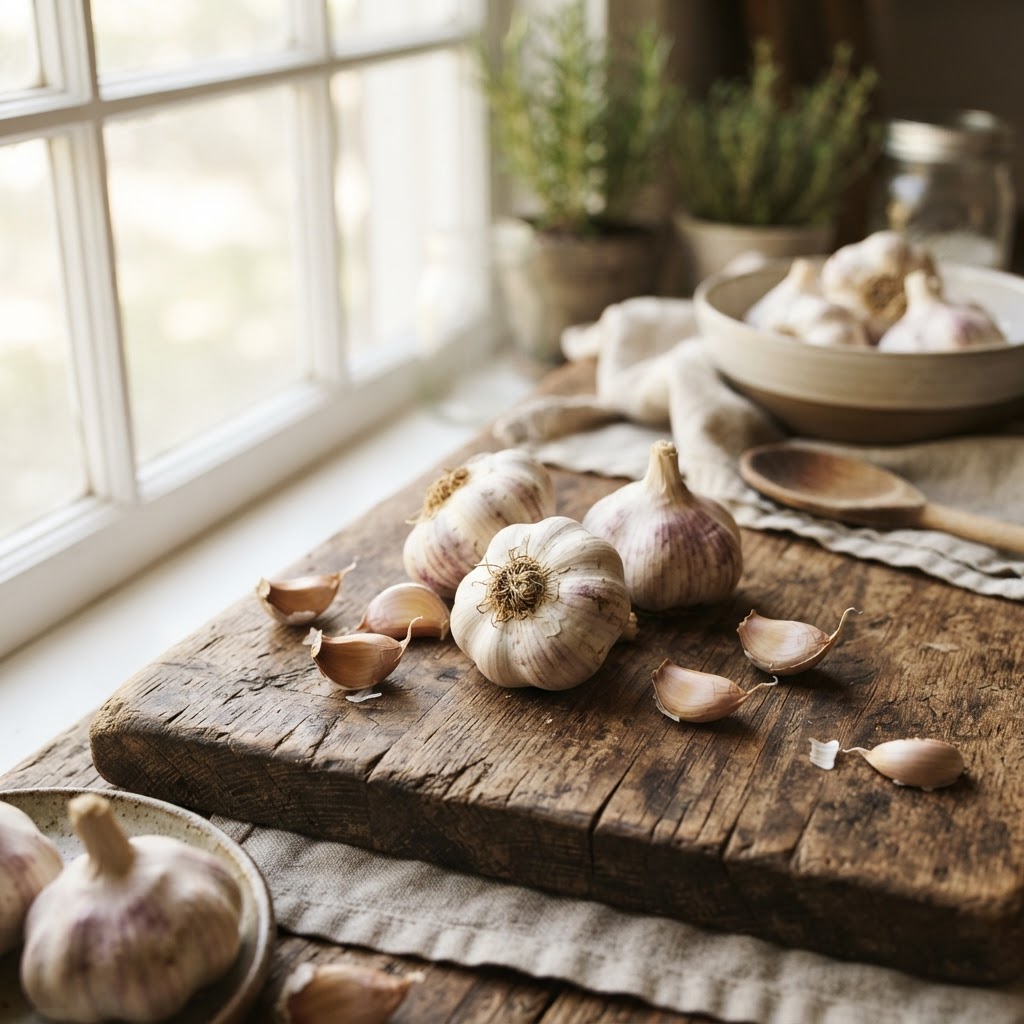
Garlic is a potent, aromatic bulb that has served as a cornerstone of culinary tradition and medicinal healing for thousands of years. Beyond its unmistakable punchy flavor, this humble member of the allium family acts as a foundational wellness tool, offering bioactive compounds that support systemic resilience and cognitive health. Integrating fresh garlic into your daily meals provides a simple, savory way to nourish your body and stabilize your health journey.
Quick Facts
Nutrition Snapshot
Health Benefits
What the Research Says
Numerous clinical trials confirm that aged garlic extract can significantly lower blood pressure in hypertensive individuals, acting similarly to some standard medications.
Initial studies suggest that the antioxidant compounds in garlic may protect neurons from damage, though more large-scale human clinical trials are needed to confirm the prevention of Alzheimer’s.
How to Cook It
Preparation Tips
- •Crush or chop garlic and let it sit for 10 minutes before cooking to maximize the formation of beneficial allicin.
- •To prevent burning and bitterness, add minced garlic to your pan only during the last 60 seconds of sautéing.
- •Roast whole heads in foil with a drizzle of olive oil to create a mellow, spreadable paste for toast or soups.
Flavor Pairings
- •Extra virgin olive oil
- •Fresh parsley
- •Lemon zest
- •Roasted tomatoes
Storage Tips
- •Store in a mesh bag or open bowl to allow for maximum air circulation.
- •Keep garlic away from onions, as the gases from each can accelerate the spoilage of the other.
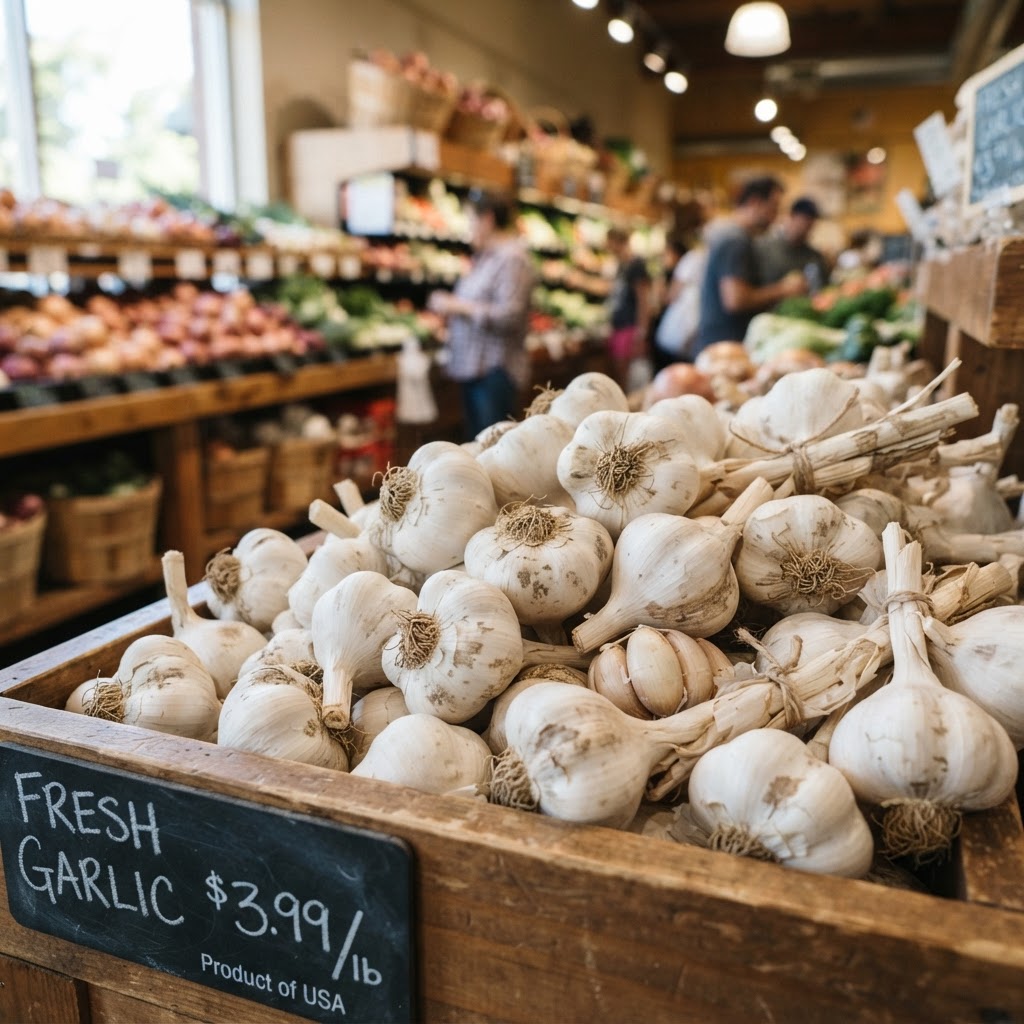
How to Pick the Best One at the Store
Selection Tips
- •Choose heads that feel heavy for their size with tight, papery, and unbroken skin.
- •Avoid bulbs that show any signs of soft spots, dark mold, or sprouting green shoots.
- •Gently squeeze the bulb; it should feel firm and solid, not hollow or yielding to pressure.
- •Check the base of the head to ensure it is clean and free of moisture or root decay.
Recipes Using Garlic
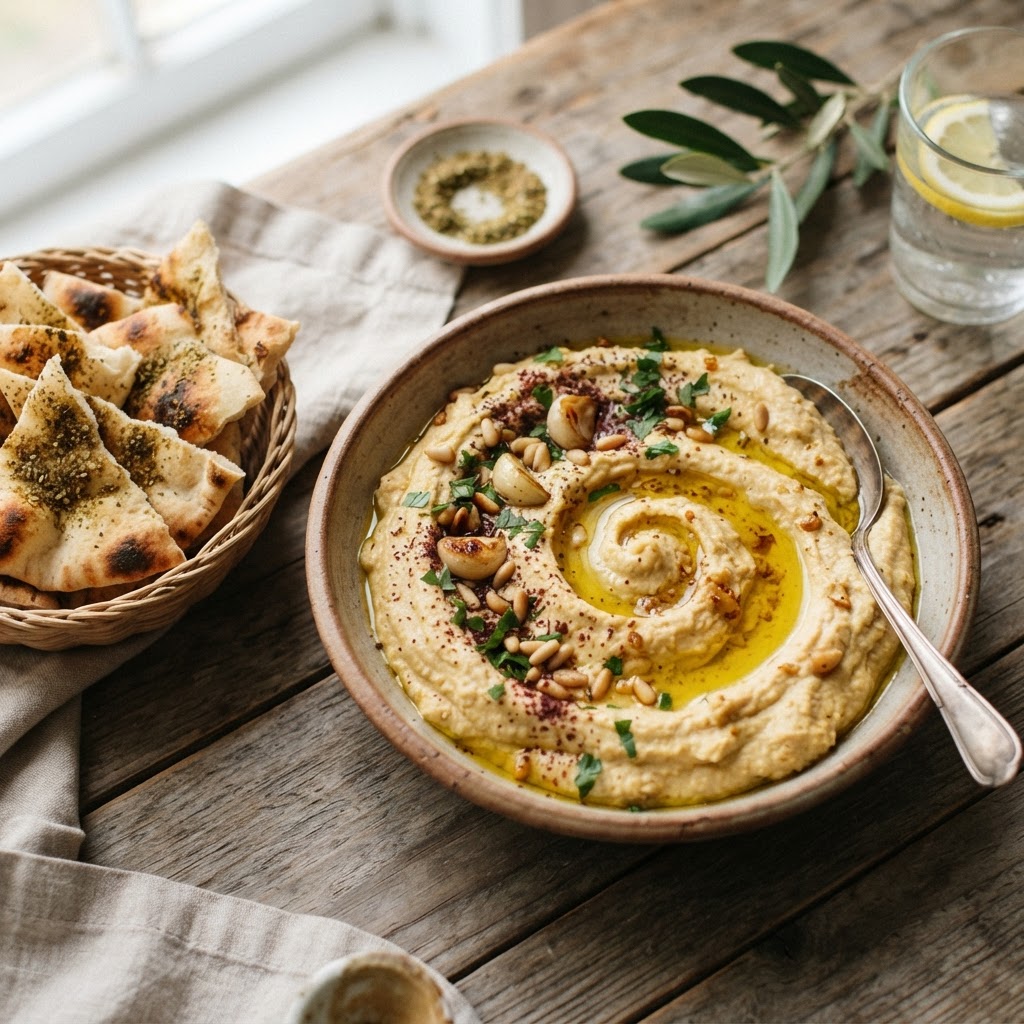
Roasted Garlic Hummus
A recovery-friendly snack featuring roasted garlic for flavor and cardiovascular support.
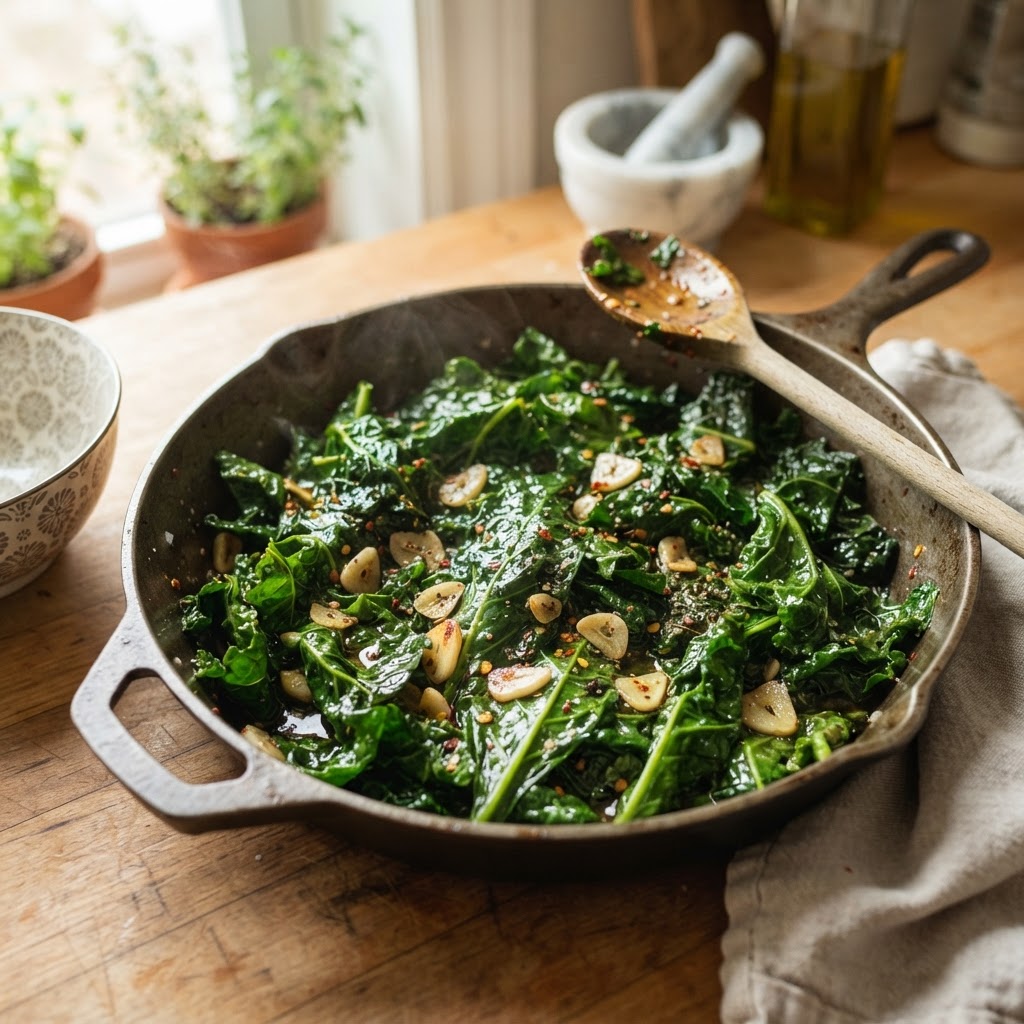
Garlic-Infused Kale Sauté
Dark leafy greens paired with immune-supporting garlic for a quick recovery meal.
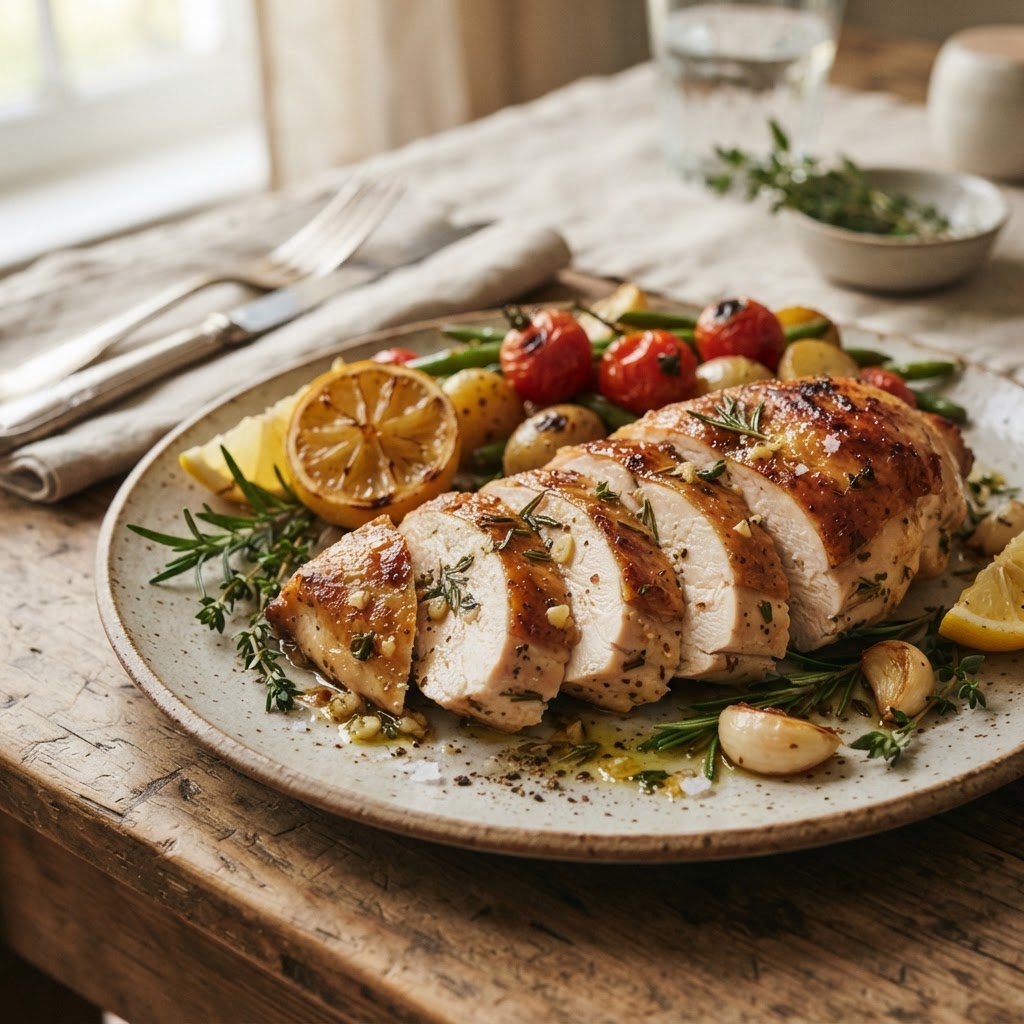
Garlic and Herb Roasted Chicken Breast
A reliable, high-protein meal infused with aromatic garlic to boost health.
Frequently Asked Questions
Does cooking garlic destroy its health benefits?
While high heat can reduce some medicinal compounds, allowing chopped garlic to 'rest' for 10 minutes before cooking preserves most of its beneficial allicin.
Why does my garlic have a green sprout in the middle?
A green sprout indicates the garlic is older and starting to grow; while safe to eat, the sprout can taste bitter and is best removed before cooking.