Carrots
Crunchy root vegetable rich in beta-carotene.
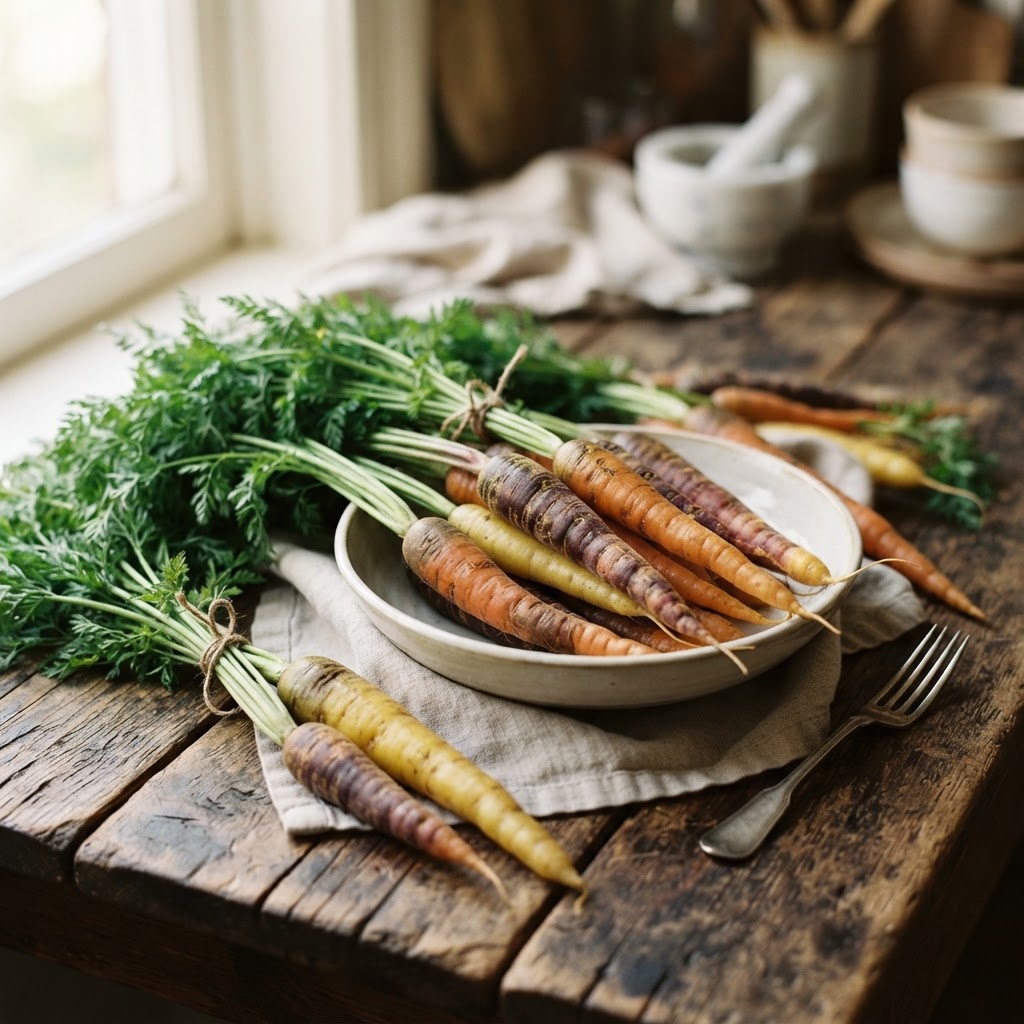
Bright orange and delightfully sweet, carrots are a versatile root vegetable that can be enjoyed in countless ways. Packed with nutrients, they offer a satisfying crunch when raw and a tender sweetness when cooked, making them a fantastic addition to any healthy eating plan. Their vibrant color and natural goodness make them a welcome sight on any plate, supporting your journey to wellness.
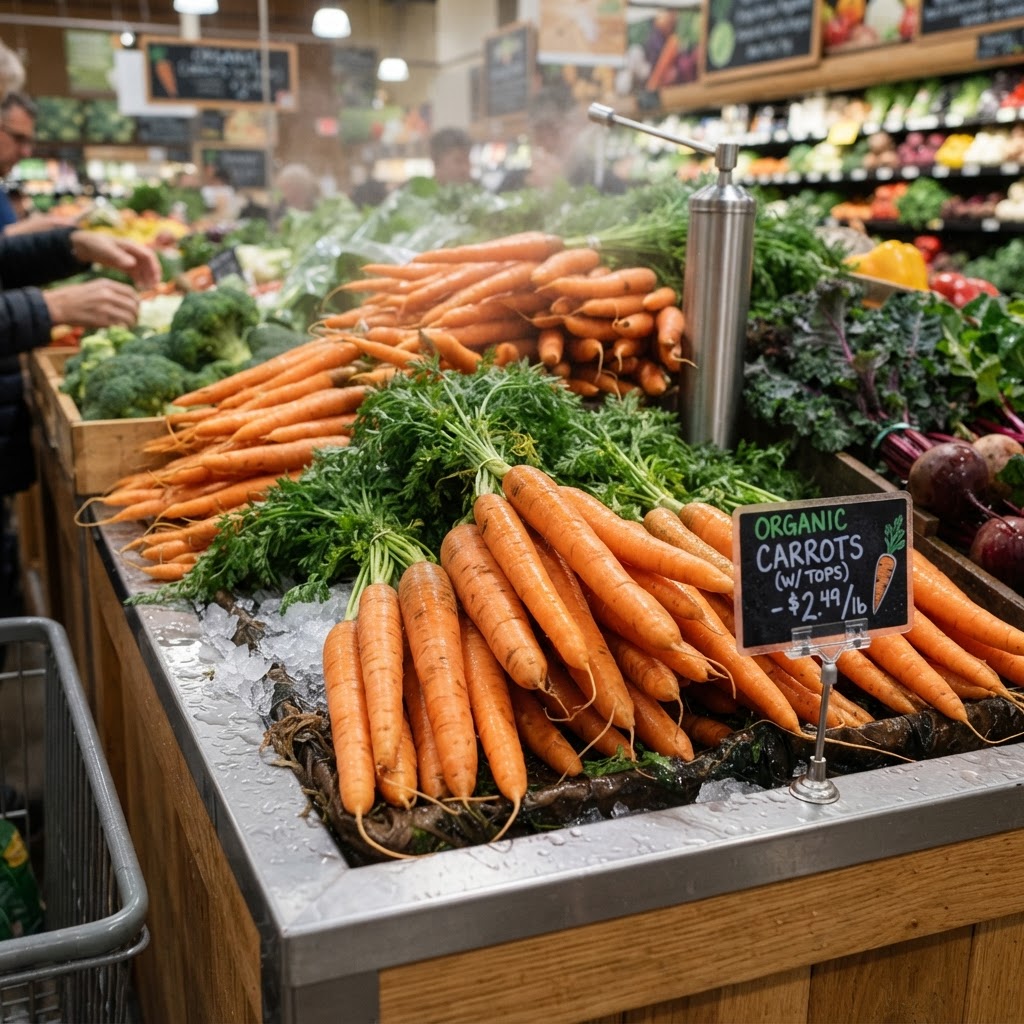
Quick Facts
Nutrition Snapshot
Health Benefits
What the Research Says
Studies suggest that diets rich in antioxidants and carotenoids, such as those found in carrots, may be associated with better cognitive function and a reduced risk of cognitive decline in older adults. The anti-inflammatory properties may also play a role in protecting brain health.
The fiber in carrots contributes to improved glycemic control by slowing carbohydrate digestion and absorption. Observational studies have linked higher vegetable intake, including carrots, with a lower risk of developing Type 2 Diabetes, and they are often recommended as part of a healthy diet for individuals with existing diabetes.
How to Cook It
Preparation Tips
- •Roast carrots with a drizzle of olive oil, herbs like thyme or rosemary, and a pinch of salt for a wonderfully sweet and caramelized flavor.
- •Add shredded or finely diced carrots to soups, stews, and casseroles to boost their nutrient content and add a subtle sweetness.
- •For a quick snack, enjoy raw carrot sticks with hummus or a healthy dip. They are also excellent in slaws and salads.
Flavor Pairings
- •Ginger
- •Cinnamon
- •Honey/Maple Syrup
- •Thyme
- •Parsley
Storage Tips
- •Store unwashed carrots in the refrigerator's crisper drawer, ideally in a perforated plastic bag to maintain moisture.
- •Remove the green tops before storing, as they can draw moisture from the carrot root, causing it to become limp faster.
How to Pick the Best One at the Store
Selection Tips
- •Look for carrots that are firm, smooth, and bright orange, with no soft spots or wilting.
- •The roots should be relatively straight and well-formed, avoiding those that are forked or have excessive root hairs.
- •If buying with greens attached, choose carrots with fresh, vibrant green tops, which indicate recent harvesting.
- •Avoid carrots that appear shriveled, bruised, or have greening near the top, as this can indicate they are old or have been exposed to light.
Recipes Using Carrots
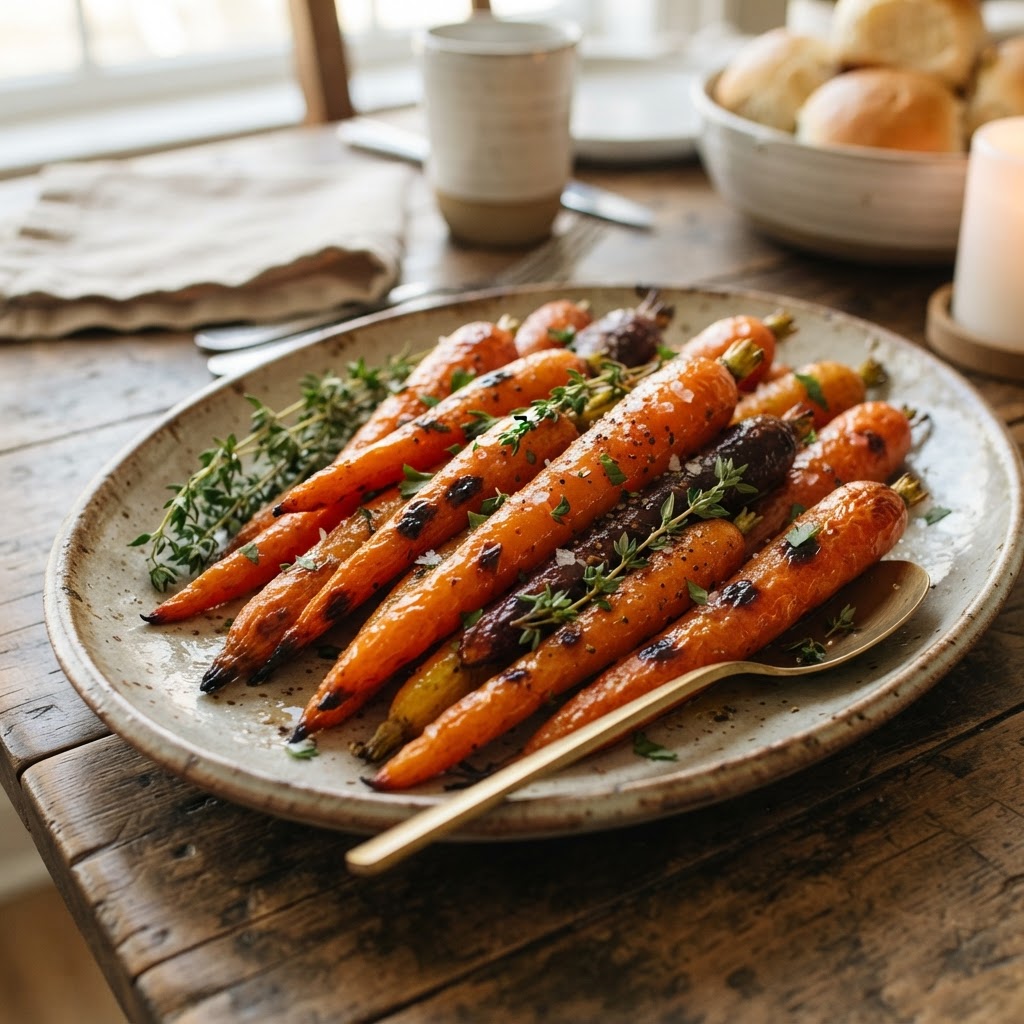
Honey Roasted Glazed Carrots
Sweet and savory roasted carrots packed with beta-carotene for eye, skin, and whole-body wellness.
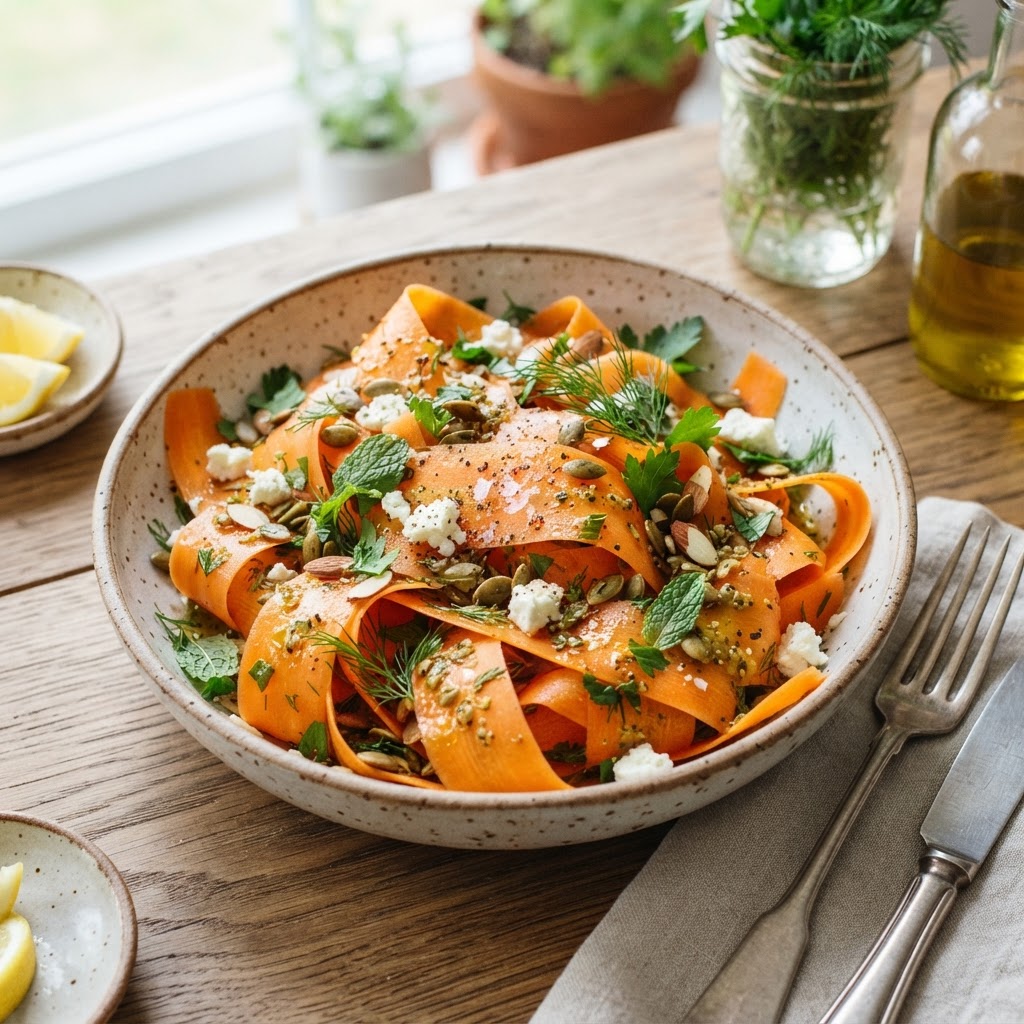
Zesty Carrot Ribbon Salad
Fresh, crunchy carrot ribbons tossed in a bright citrus vinaigrette for a refreshing lunch.

Carrot and Ginger Immunity Juice
A vibrant morning juice that fights inflammation and supports digestive health during recovery.
Frequently Asked Questions
Are carrots good for weight management?
Yes, carrots are a low-calorie, high-fiber food, making them an excellent choice for weight management. The fiber helps you feel full and satisfied, reducing overall calorie intake.
Can I eat carrots if I have diabetes?
Absolutely. Carrots are a good choice for individuals with diabetes due to their fiber content, which helps manage blood sugar levels. Enjoy them raw, steamed, or roasted as part of a balanced meal plan.