Artichokes
Fiber-rich thistle vegetable with antioxidant properties.
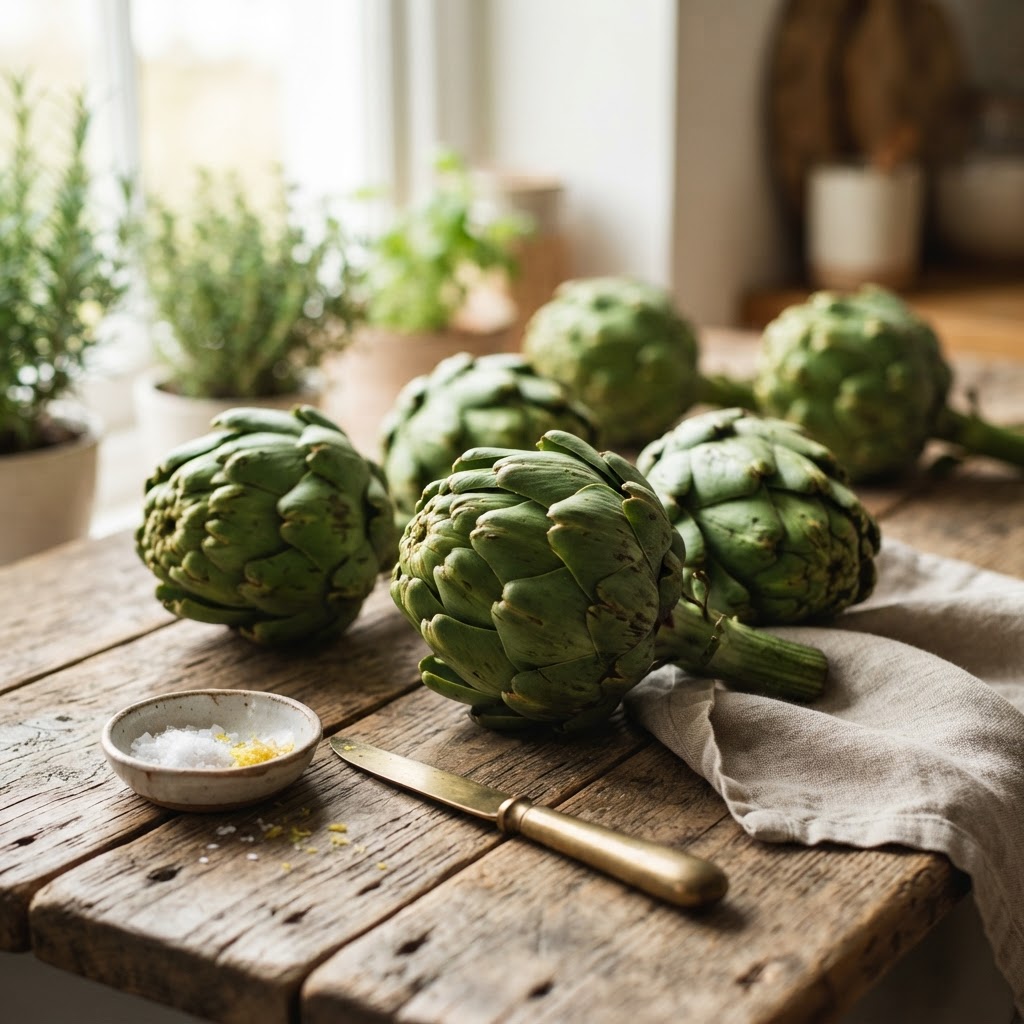
Artichokes are a sophisticated, perennial vegetable prized for their heartiness and unique ability to promote a sense of ritual during mealtime. Beneath their tough, protective bracts lies a tender, meaty heart that serves as an excellent vehicle for fiber and potent antioxidants, making them a nourishing addition to a healing diet.
Quick Facts
Nutrition Snapshot
Health Benefits
What the Research Says
Studies indicate that the high inulin content in artichokes acts as a prebiotic, improving gut microbiome health, which is directly linked to better glycemic control.
Preliminary research on polyphenolic compounds in artichokes shows potential for reducing neuroinflammation in animal models, supporting cognitive function.
How to Cook It
Preparation Tips
- •Trim the thorny tips of the leaves with kitchen shears before cooking for a better dining experience.
- •Rub cut surfaces with a lemon wedge immediately to prevent the artichoke from oxidizing and turning brown.
- •Steam until a leaf can be pulled away with zero resistance and the base of the heart is knife-tender.
Flavor Pairings
- •Lemon and garlic
- •Extra virgin olive oil
- •Fresh mint or parsley
- •Parmesan cheese
Storage Tips
- •Store in the refrigerator crisper drawer for up to 5 days; avoid washing until ready to cook.
- •For longer storage, you can cook the hearts and store them submerged in oil for up to a week.
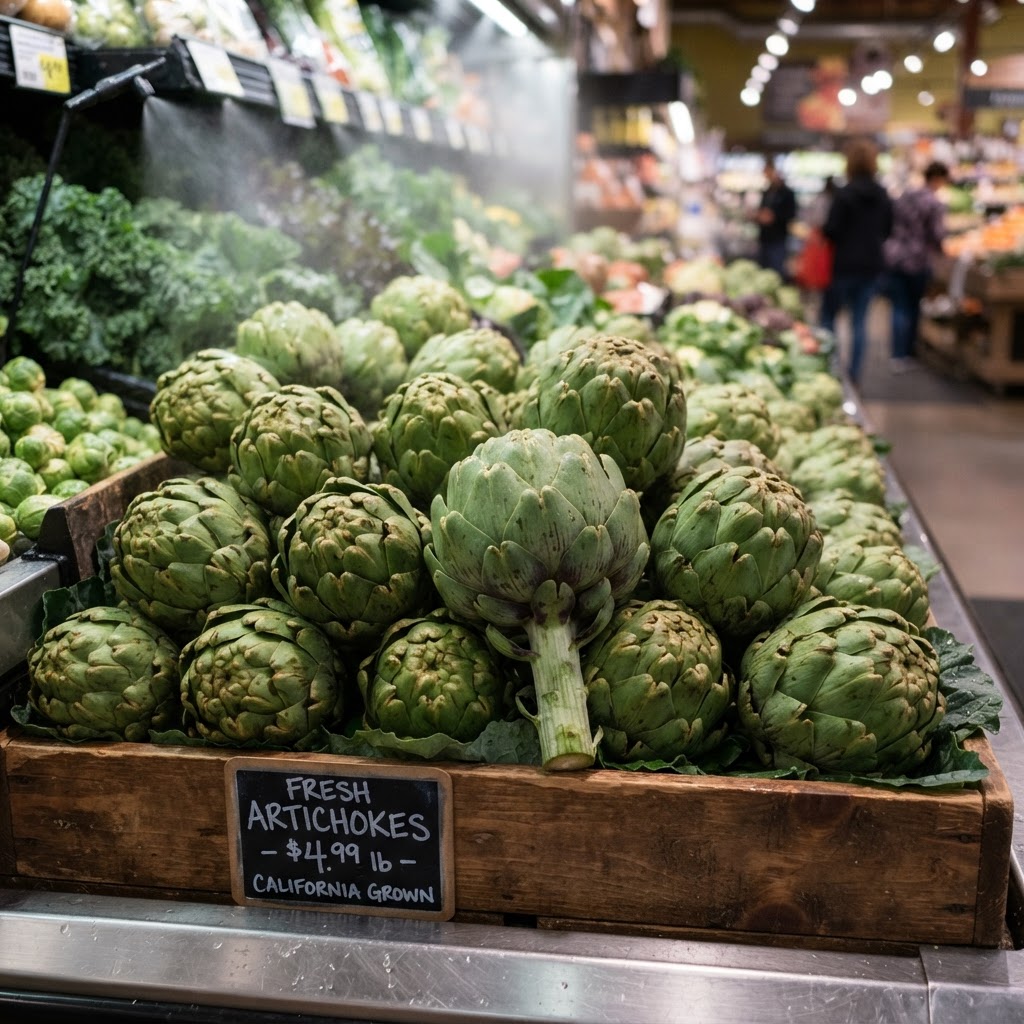
How to Pick the Best One at the Store
Selection Tips
- •Choose artichokes that feel heavy for their size, which indicates high moisture content and freshness.
- •Look for tightly packed leaves that 'squeak' when you gently rub them against each other.
- •Avoid specimens with split, dry, or brown-tipped leaves, as these indicate the vegetable has been sitting too long.
- •Ensure the stem is firm rather than shriveled or woody.
Recipes Using Artichokes
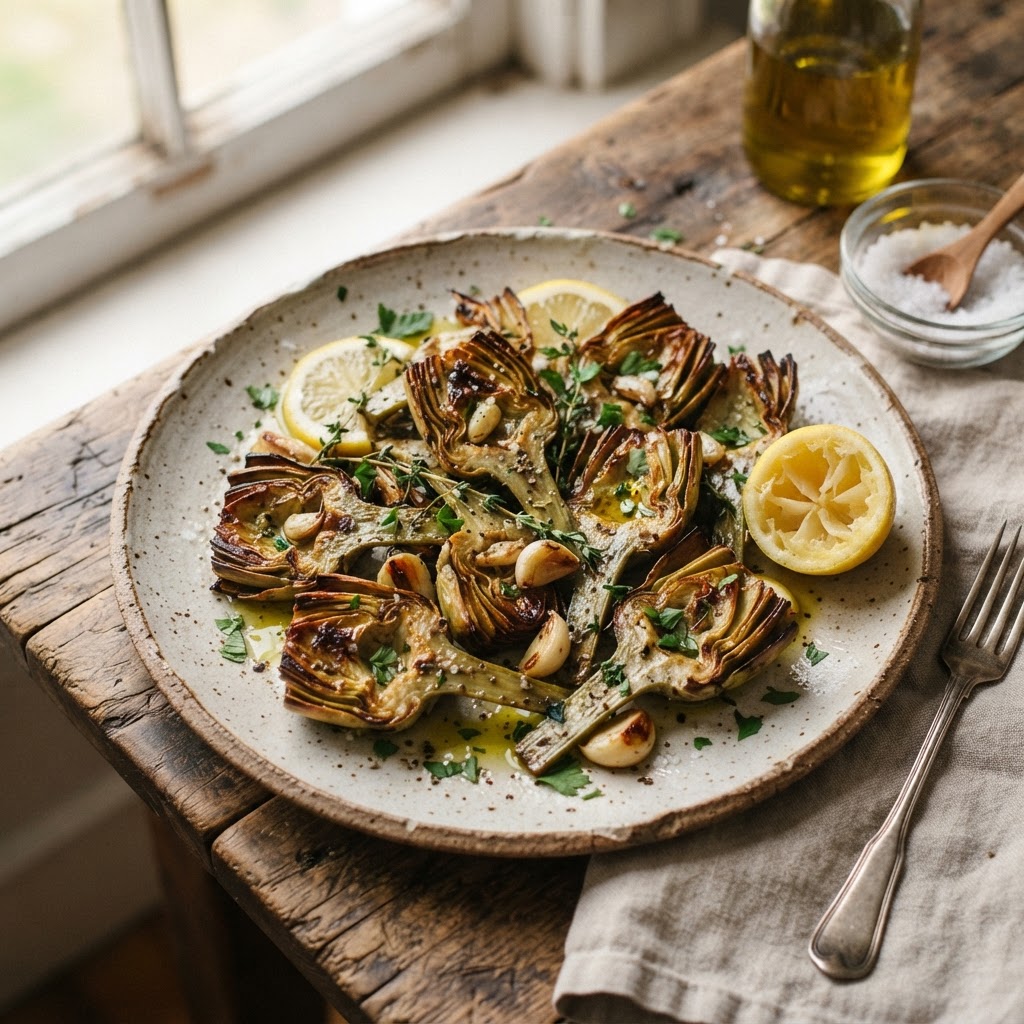
Roasted Artichoke Hearts with Garlic and Lemon
Hearty artichoke hearts roasted to tender perfection, ideal for a fiber-rich, recovery-friendly side dish.
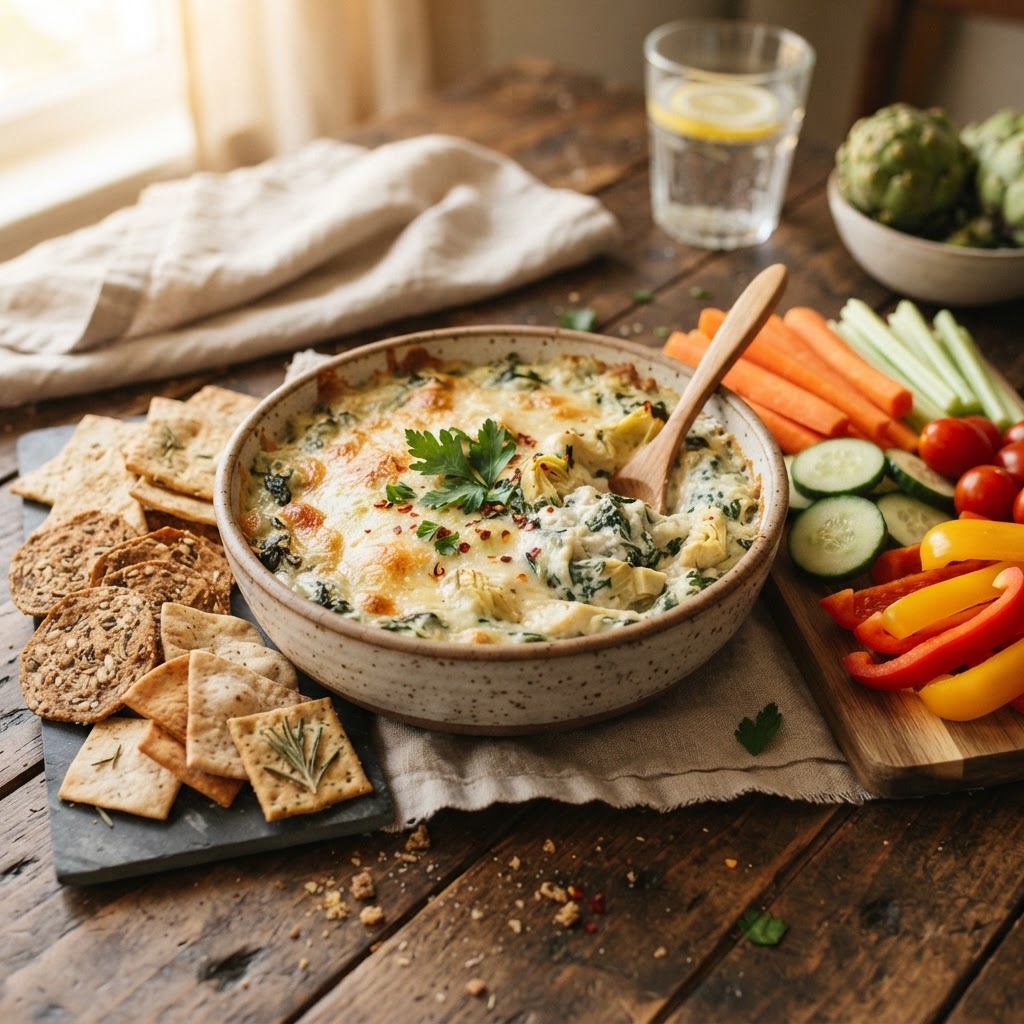
Creamy Artichoke and Spinach Dip
A wholesome, fiber-rich dip made with Greek yogurt for a gut-healthy snack.
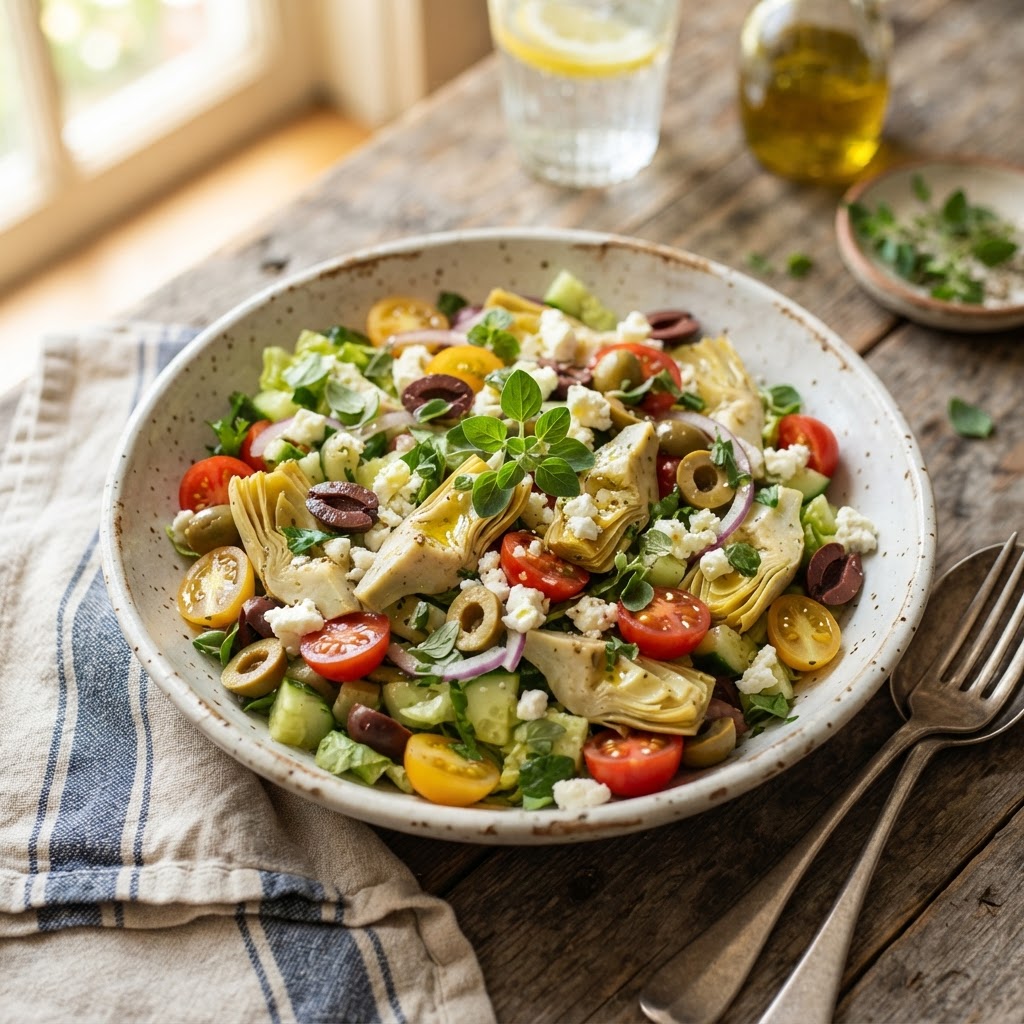
Mediterranean Artichoke Salad
A refreshing, nutrient-dense lunch salad packed with antioxidants and healthy fats.
Frequently Asked Questions
Why do artichokes make food taste sweet after eating them?
Artichokes contain a compound called cynarin, which temporarily masks the tongue's sweet-sensing receptors. When you consume something else afterward, these receptors 'reset,' making water or other foods taste unusually sweet.
Can artichokes help with cravings during addiction recovery?
While not a cure, their fiber and nutrient density help stabilize blood sugar. Stable blood sugar is vital during recovery because it prevents the 'crash-and-crave' cycle that often leads to impulsive dietary or behavioral choices.