Strawberries
Sweet, juicy berries loaded with vitamin C and antioxidants.

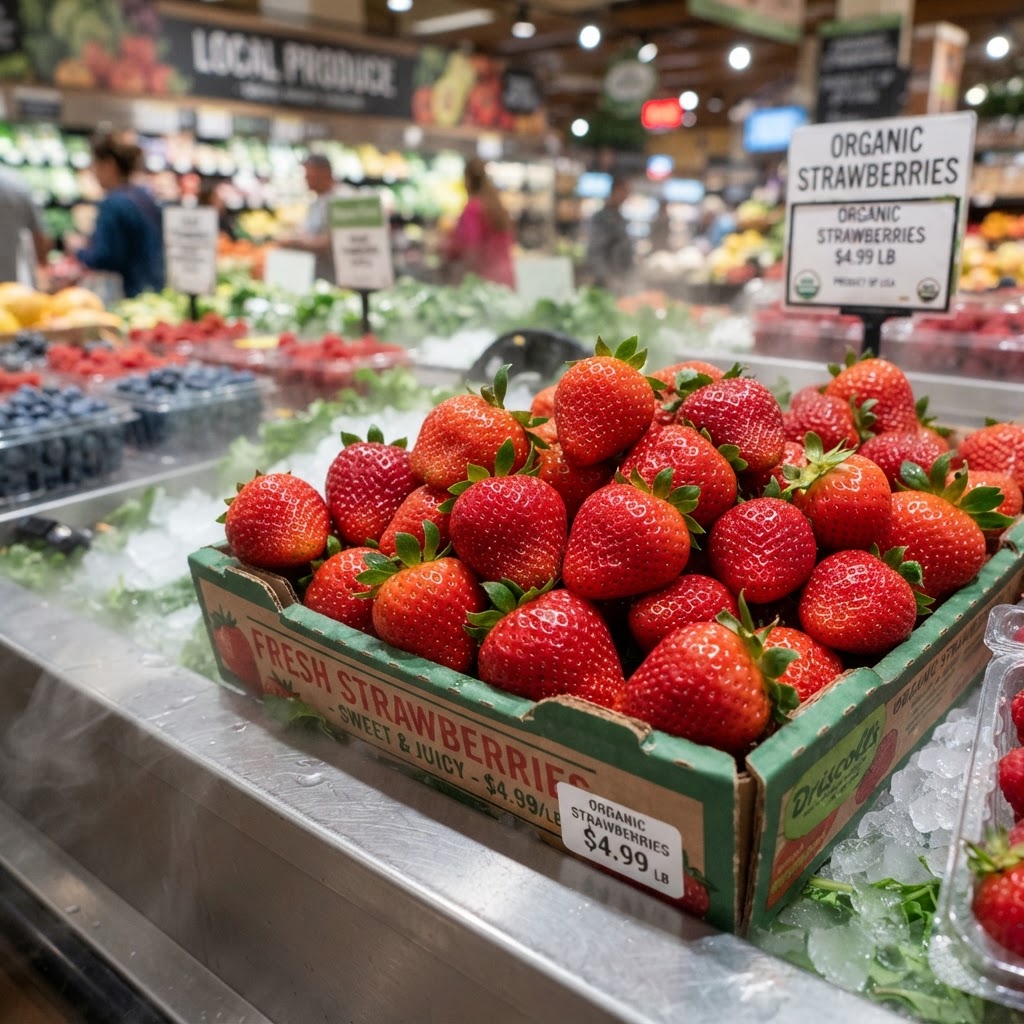
Strawberries are nature's vibrant, heart-shaped jewels, bursting with a sweet-tart brightness that elevates any meal into a refreshing sensory experience. Beyond their culinary versatility, these nutrient-dense berries offer a potent profile of antioxidants and essential vitamins, making them a delicious ally for your wellness journey.
Quick Facts
Nutrition Snapshot
Health Benefits
What the Research Says
Observational studies, such as those within the Nurses' Health Study, suggest that regular intake of anthocyanin-rich berries is associated with delayed cognitive aging.
Clinical trials indicate that consuming strawberries with high-carbohydrate meals can modulate the postprandial insulin response, proving beneficial for metabolic health.
How to Cook It
Preparation Tips
- •Roast strawberries at a low temperature to intensify their natural sugars and create a savory-sweet topping for yogurt.
- •Add a splash of balsamic vinegar to macerated strawberries to deepen their complexity and enhance their natural sweetness.
- •Use frozen strawberries in smoothies to provide a thicker, creamier texture without needing added ice or sweeteners.
Flavor Pairings
- •Fresh mint
- •Balsamic vinegar
- •Greek yogurt
- •Dark chocolate
Storage Tips
- •Remove the green leaves only right before eating to prevent premature moisture loss.
- •Keep strawberries in a single layer on a paper-towel-lined container in the fridge to prevent bruising and mold growth.
How to Pick the Best One at the Store
Selection Tips
- •Look for berries that are bright red from the stem to the tip, as they do not continue to ripen after harvest.
- •Ensure the green caps are fresh, vibrant, and firmly attached to the fruit.
- •Check the underside of the carton for stained juice, which indicates over-ripeness or damaged fruit.
- •Select berries that are firm to the touch without any mushy spots or signs of white fuzz.
Recipes Using Strawberries
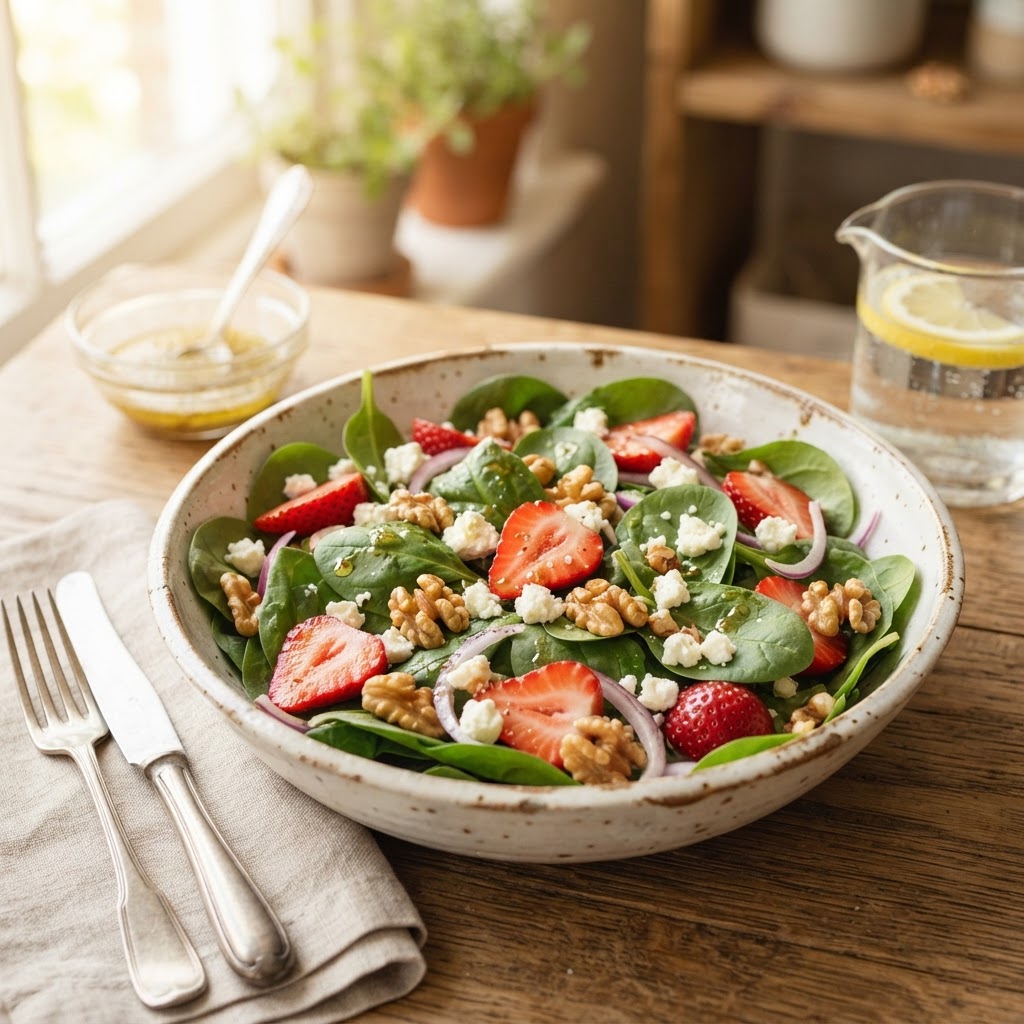
Strawberry Spinach Power Salad
A refreshing salad loaded with antioxidants to support recovery and satisfy hunger.
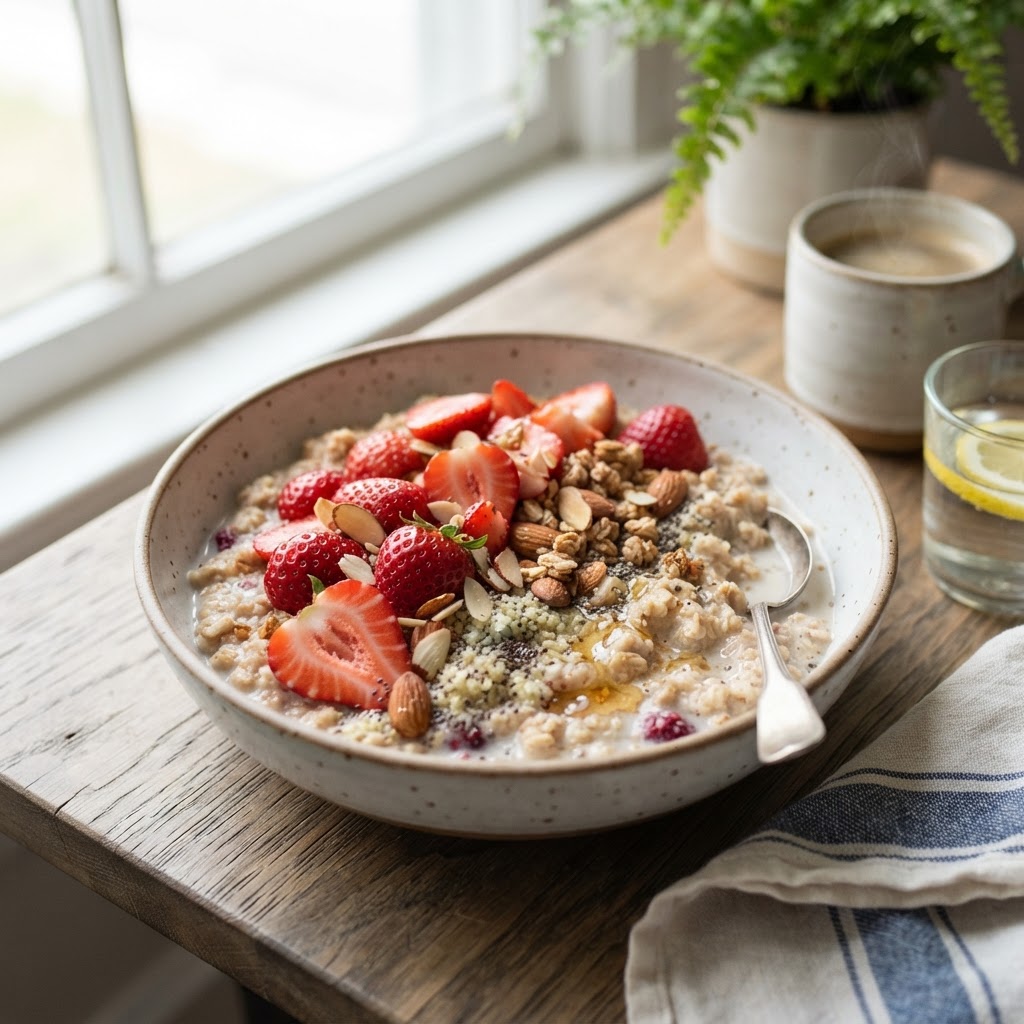
Strawberry Oat Breakfast Bowl
Start your day with fiber-rich oats topped with fresh strawberries for steadying energy and mood.
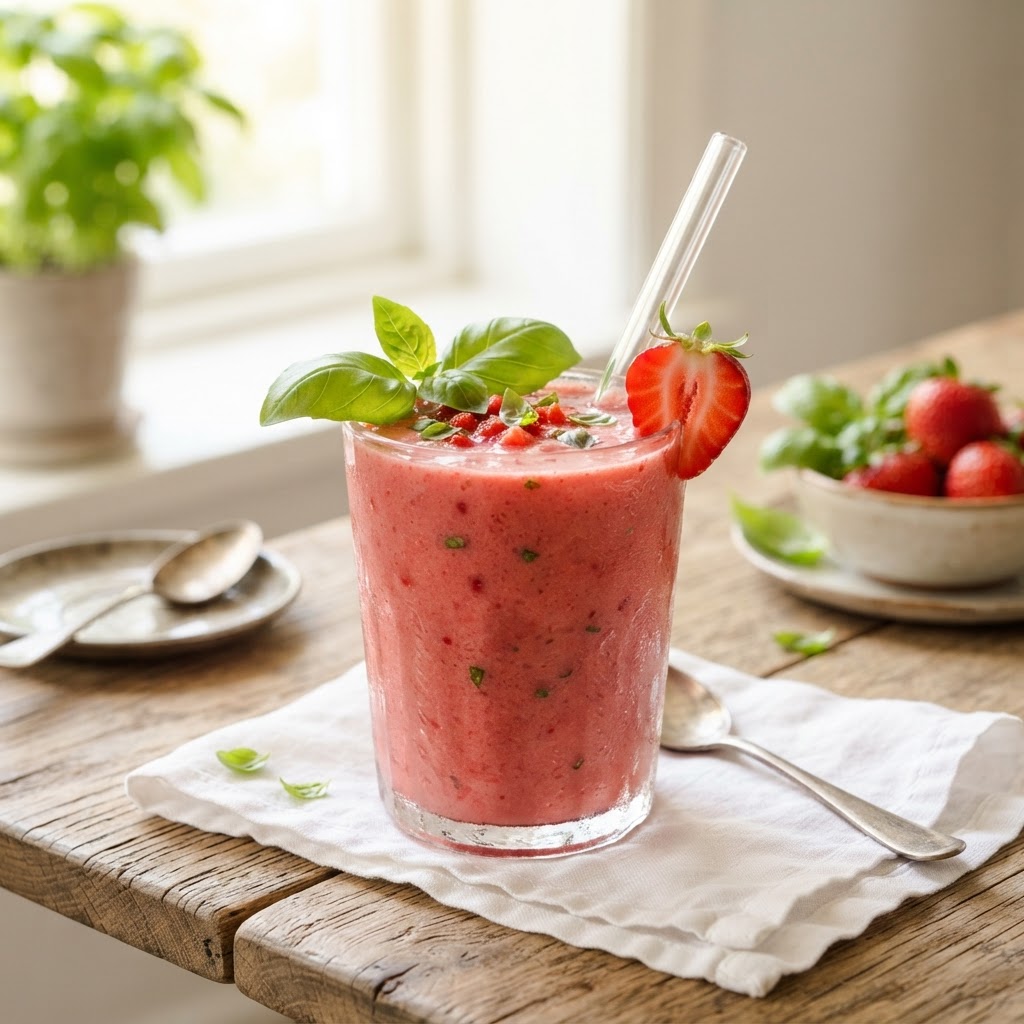
Strawberry Basil Smoothie
A cooling, nutrient-dense smoothie perfect for post-workout recovery.
Frequently Asked Questions
Can I eat strawberries if I am managing Type 2 Diabetes?
Yes. Because they have a low glycemic index and provide significant fiber, they are an excellent fruit choice for blood sugar management when eaten in moderation.
How do strawberries help with nervous system support?
Strawberries are packed with antioxidants that combat systemic inflammation, which is vital for maintaining a healthy nervous system, especially during periods of stress or recovery.