Pears
Sweet, fiber-rich fruit that supports digestion.

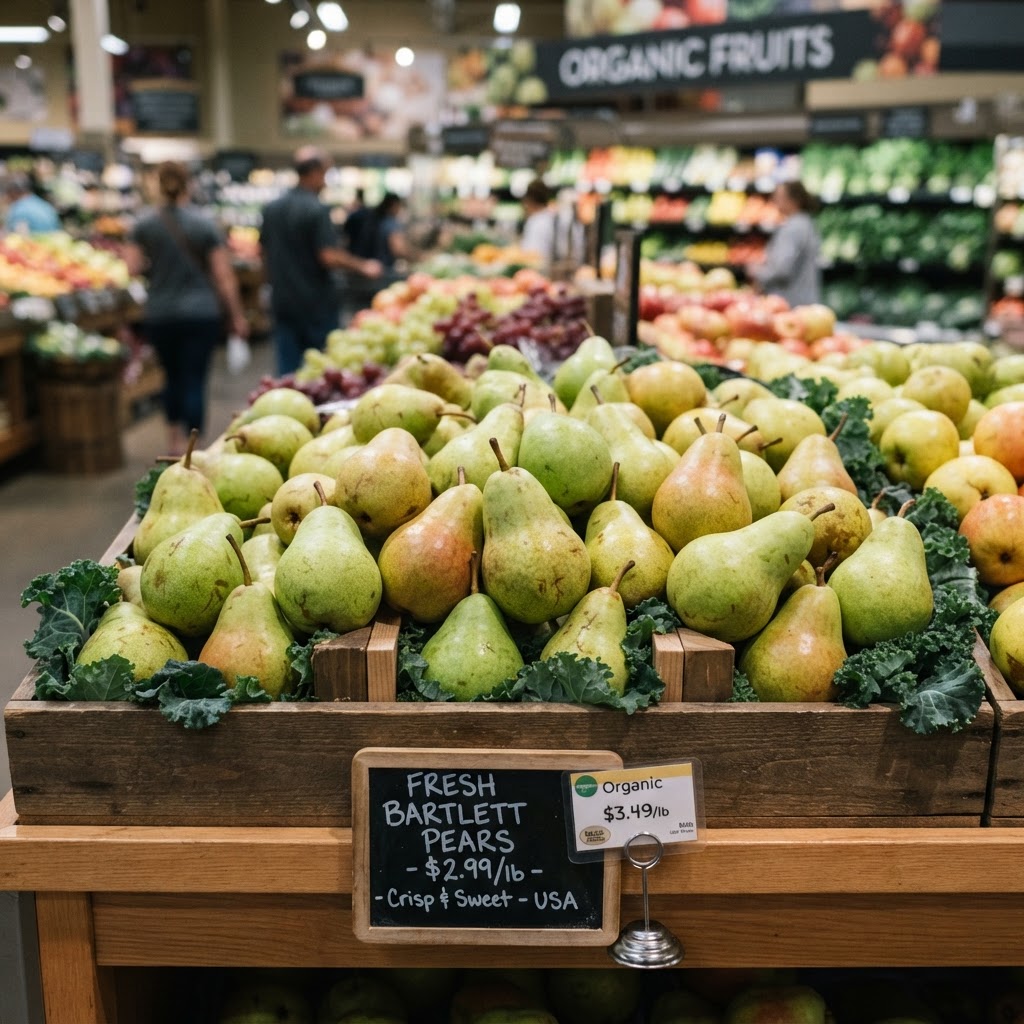
Pears are elegant, fiber-rich fruits known for their delicate sweetness and nuanced flavor profiles that vary gracefully by variety. They serve as a gentle, nutrient-dense addition to a healing kitchen, offering soothing hydration and essential antioxidants that support cognitive function and blood sugar stability. Their subtle versatility makes them an excellent companion for those seeking a grounded, healthful approach to daily nourishment.
Quick Facts
Nutrition Snapshot
Health Benefits
What the Research Says
Extensive meta-analyses confirm that the specific high-pectin fiber content in pears consistently improves glycemic control and insulin sensitivity in metabolic health.
Recent studies suggest that the specific flavonoid composition in pears may reduce the risk of neurodegenerative decline, though more human clinical trials are required.
How to Cook It
Preparation Tips
- •Poach pears in hibiscus tea or cinnamon-infused water to add deep color and flavor without added sugar.
- •Roast wedges at 400°F (200°C) until caramelized to unlock a naturally jammy, dessert-like texture.
- •Keep the skin on while cooking to preserve the highest concentration of fiber and antioxidant phytonutrients.
Flavor Pairings
- •Walnuts
- •Cardamom
- •Blue cheese
- •Fresh ginger
Storage Tips
- •Place pears in a paper bag with a banana to speed up ripening through natural ethylene release.
- •Keep pears away from strong-smelling foods in the fridge, as they can absorb odors easily.
- •Only wash pears immediately before consumption to prevent premature mold growth.
How to Pick the Best One at the Store
Selection Tips
- •Check the neck: Apply gentle pressure to the neck near the stem; if it yields slightly, the pear is ripe.
- •Avoid pears with deep bruises, dark punctures, or soft spots on the body of the fruit.
- •Look for firm skin with a consistent color depending on the variety, such as a slight golden hue on Bartlett pears.
- •If purchasing firm, 'rock-hard' pears, they are perfect for ripening at home over 3-5 days.
Recipes Using Pears

Honey Roasted Pear Oatmeal
A comforting morning bowl featuring oven-caramelized pears and fiber-rich oats to support gut health.

Pear and Walnut Recovery Salad
A recovery-friendly salad combining fresh pear slices with walnuts for omega-3 fatty acids.
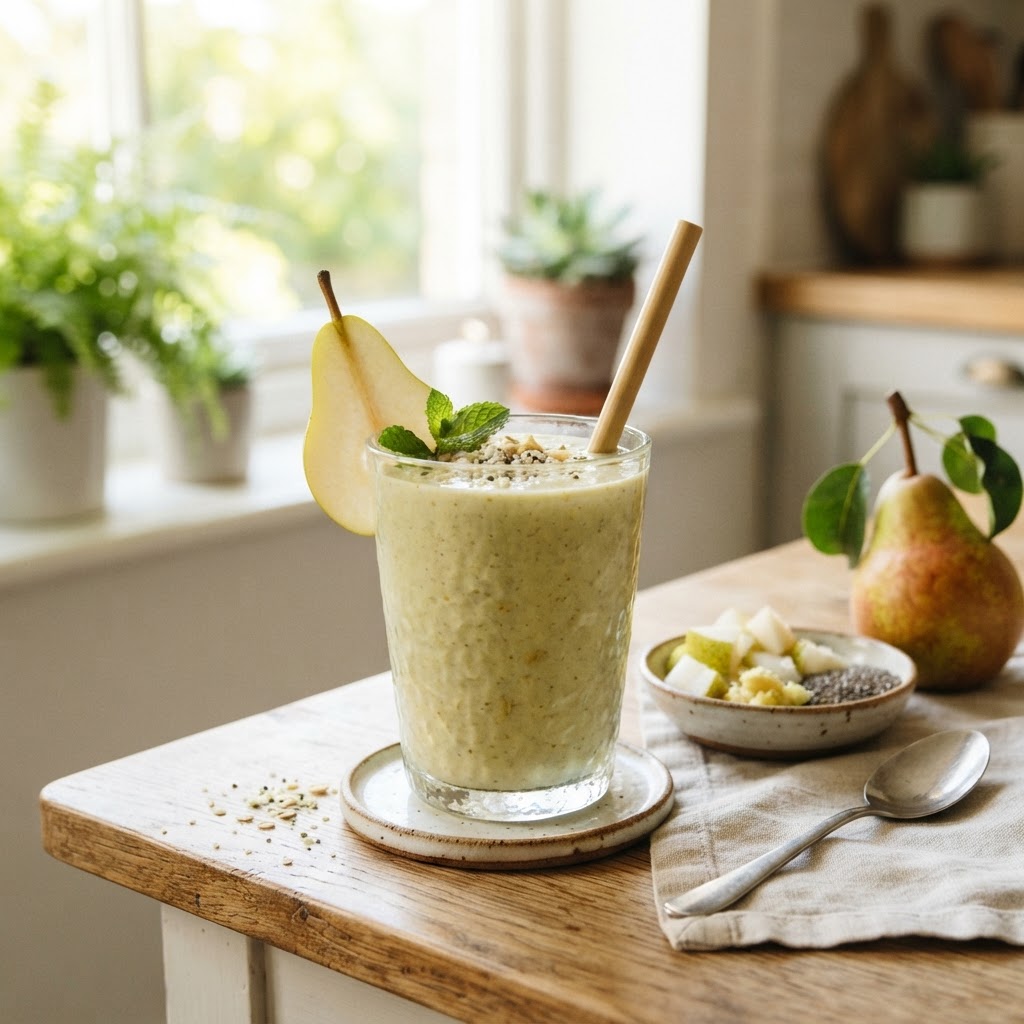
Pear and Ginger Wellness Smoothie
An anti-inflammatory smoothie featuring fresh pear and zingy ginger to aid digestion.
Frequently Asked Questions
Can I eat pears if I have Type 2 Diabetes?
Yes, pears are a low-glycemic index fruit. Their high fiber content helps mitigate blood sugar spikes, provided they are eaten whole rather than as juice.
Are pears helpful for nervous system recovery?
Pears provide essential minerals like potassium and copper, which support healthy nerve function and cellular hydration, assisting the body during recovery.