Nectarines
Smooth-skinned stone fruit similar to peaches.
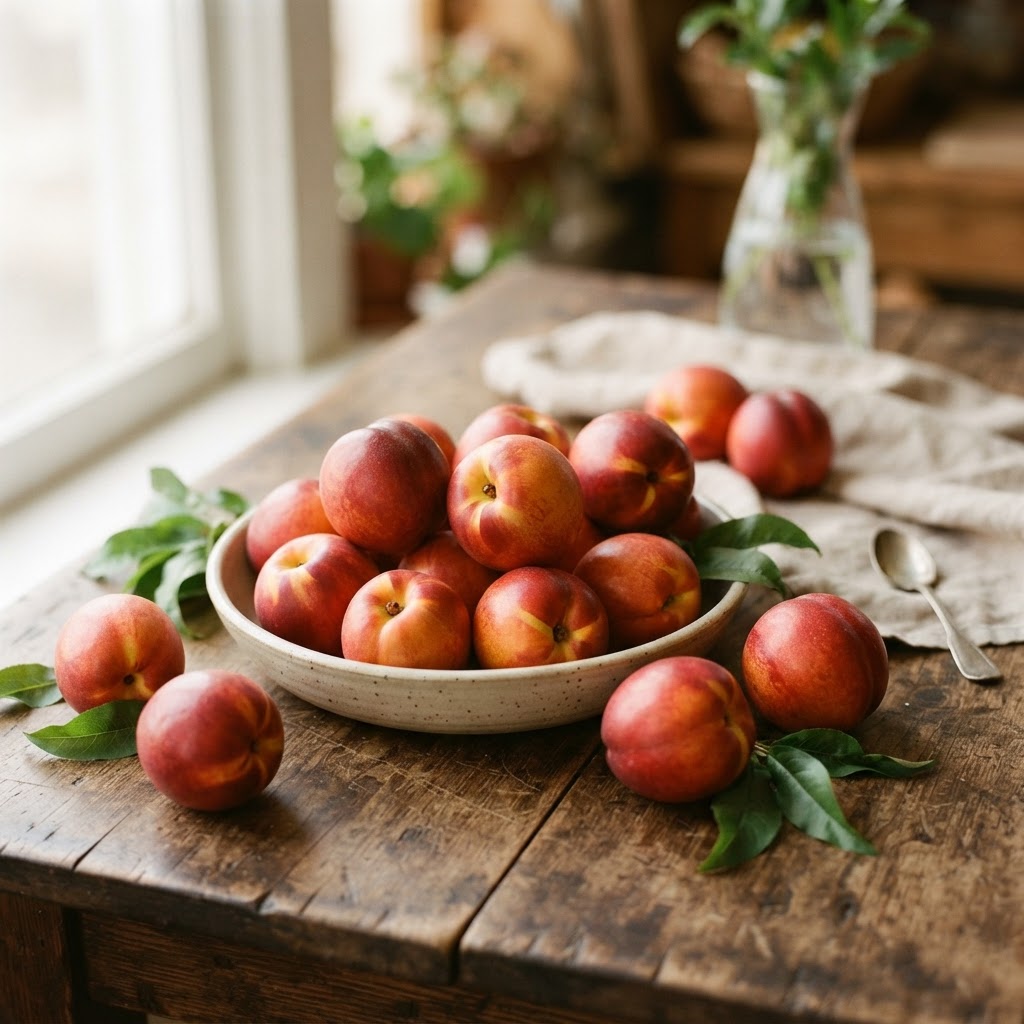
Nectarines are the smooth-skinned, vibrant cousins of the peach, offering a concentrated burst of summer sweetness that is both refreshing and deeply satisfying. With their nectar-like flavor and juicy profile, these stone fruits serve as a perfect, nutrient-dense treat that provides a natural energy lift while supporting overall metabolic balance. Their versatility makes them an excellent addition to the vibrant, health-conscious kitchen of The Recovery Recipe.
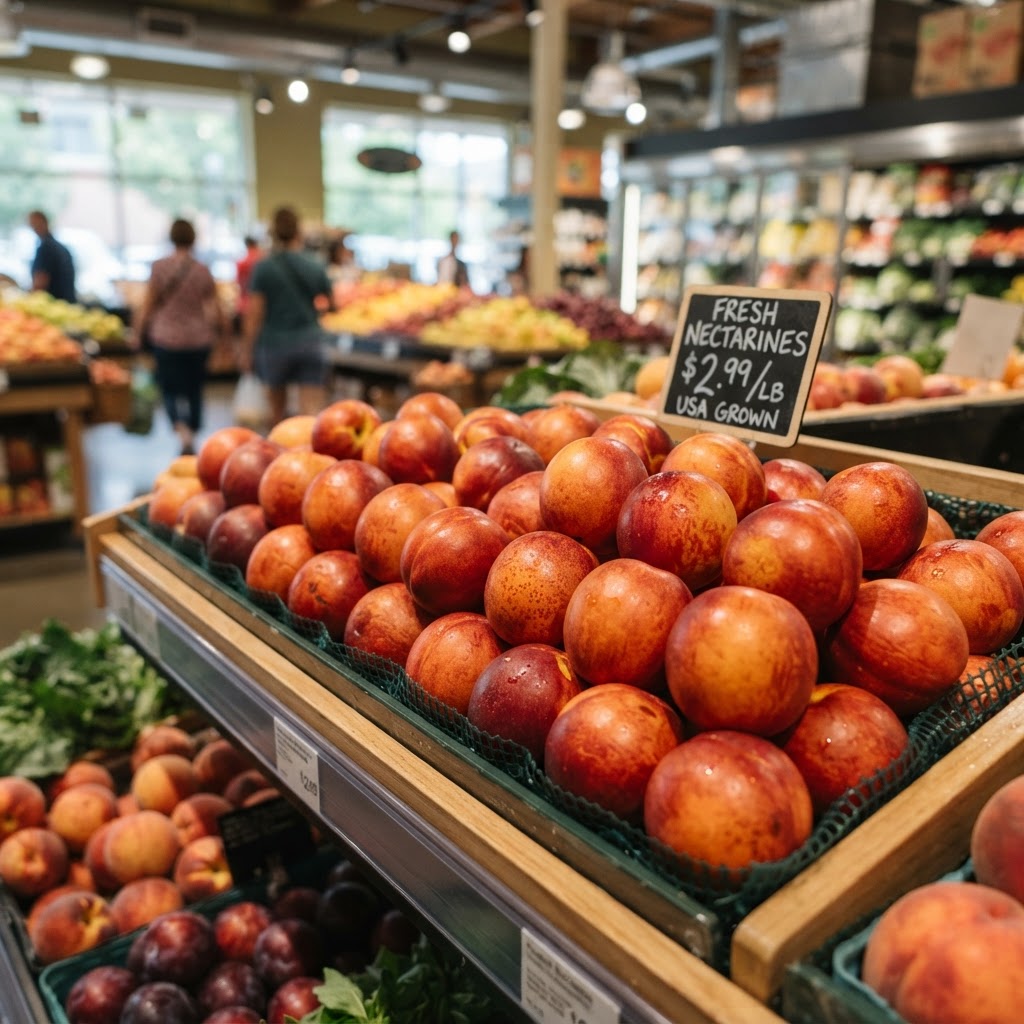
Quick Facts
Nutrition Snapshot
Health Benefits
What the Research Says
Studies suggest that the bioactive compounds found in stone fruits may help modulate genes related to obesity and inflammation, potentially aiding in metabolic management.
High circulating levels of Vitamin C are consistently associated with better cognitive function and a reduced risk of age-related cognitive decline.
How to Cook It
Preparation Tips
- •Grill nectarine halves for 3 minutes to caramelize the natural sugars for a sophisticated, warm dessert.
- •Toss sliced nectarines into savory salads with arugula and goat cheese to balance their sweetness with peppery greens.
- •Poach them in a light tea-infused syrup to create a hydrating, low-glycemic treat perfect for digestive recovery.
Flavor Pairings
- •Fresh basil or mint
- •Walnuts and almonds
- •Balsamic glaze
- •Greek yogurt
Storage Tips
- •Keep unripe nectarines in a paper bag at room temperature to accelerate the ripening process.
- •Once soft and fragrant, store them in the crisper drawer of your refrigerator for up to 3 days.
How to Pick the Best One at the Store
Selection Tips
- •Choose fruits that feel heavy for their size, which indicates optimal juiciness.
- •Look for a smooth, taut skin without bruises, deep indentations, or punctures.
- •Avoid fruit that is rock-hard, as it was likely picked too early and will not ripen properly off the tree.
- •Select nectarines with a vibrant, uniform color—the background color should be creamy yellow, not green.
Recipes Using Nectarines
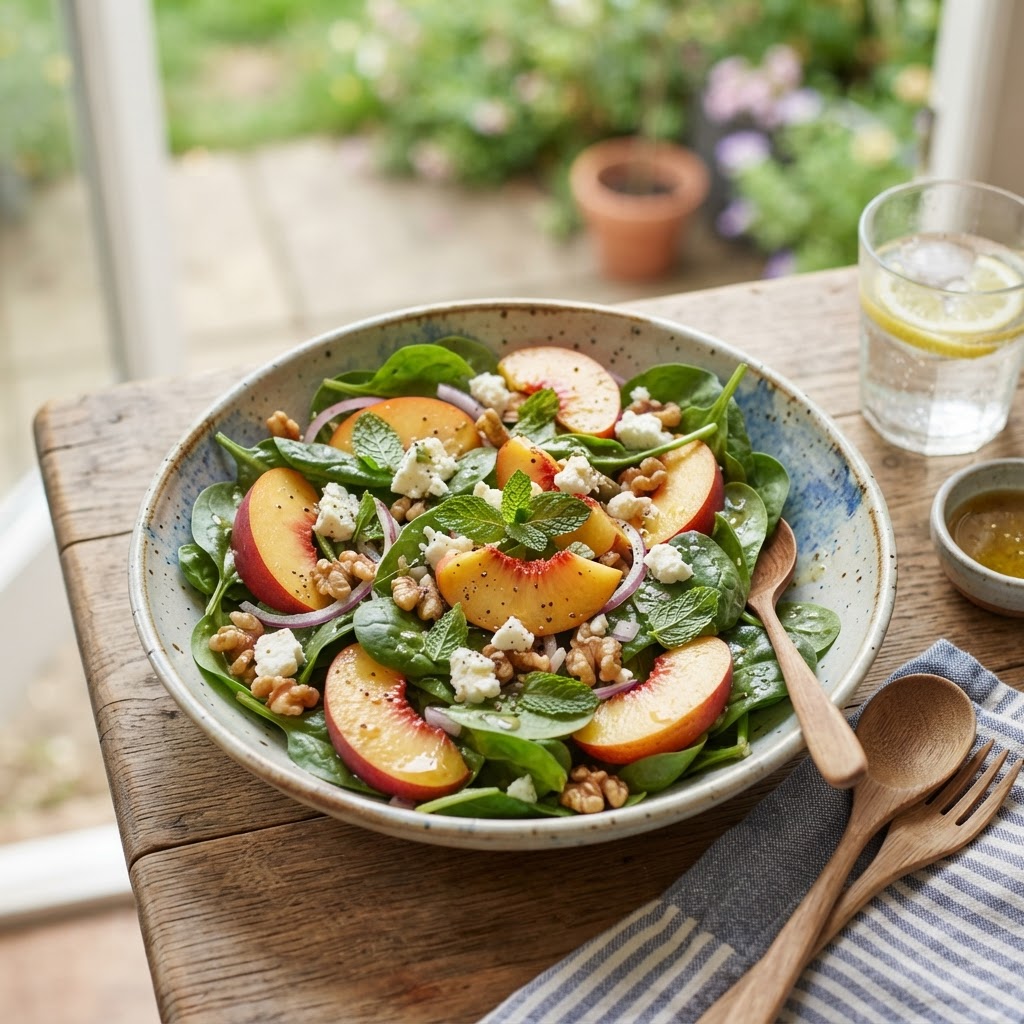
Nectarine Spinach Salad
A crisp, refreshing salad that is easy to assemble for a quick lunch.
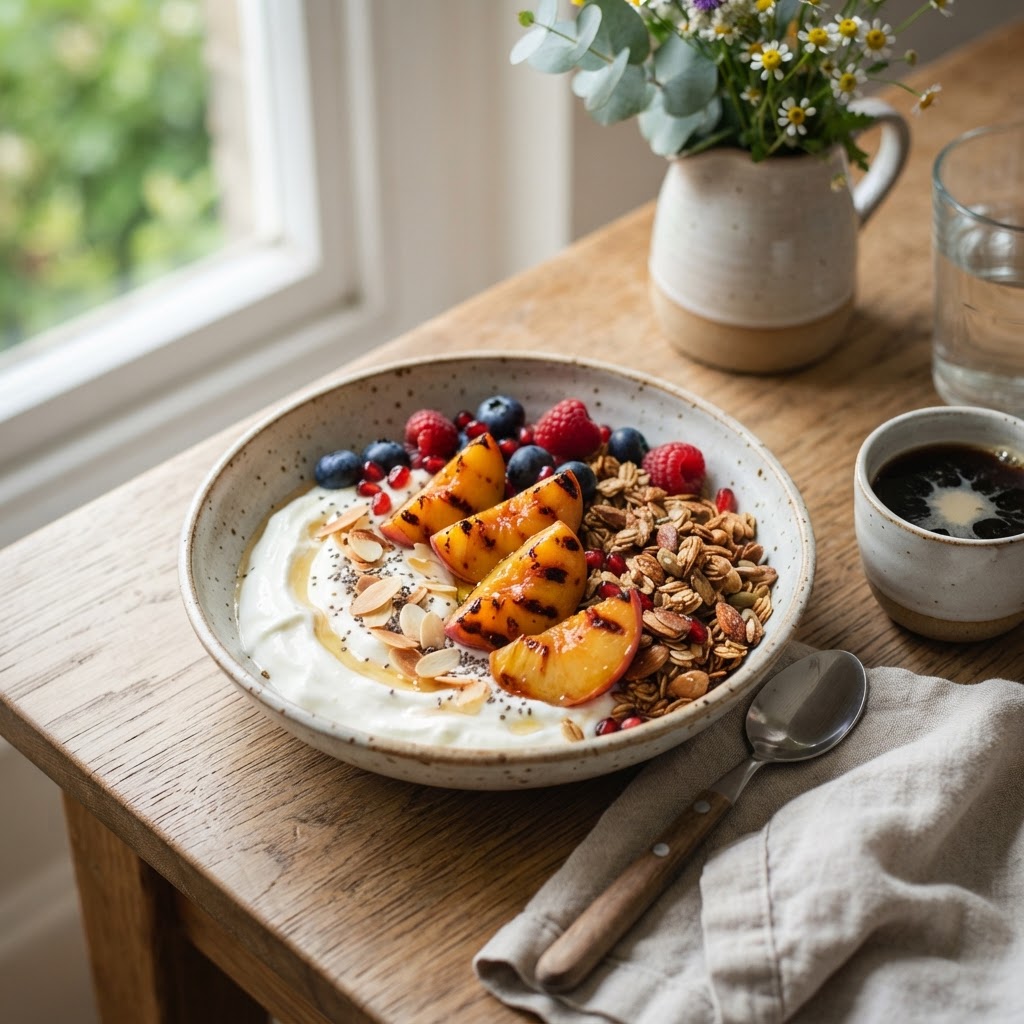
Grilled Nectarine Breakfast Bowl
Start your day with grilled nectarines that provide natural sweetness and fiber.
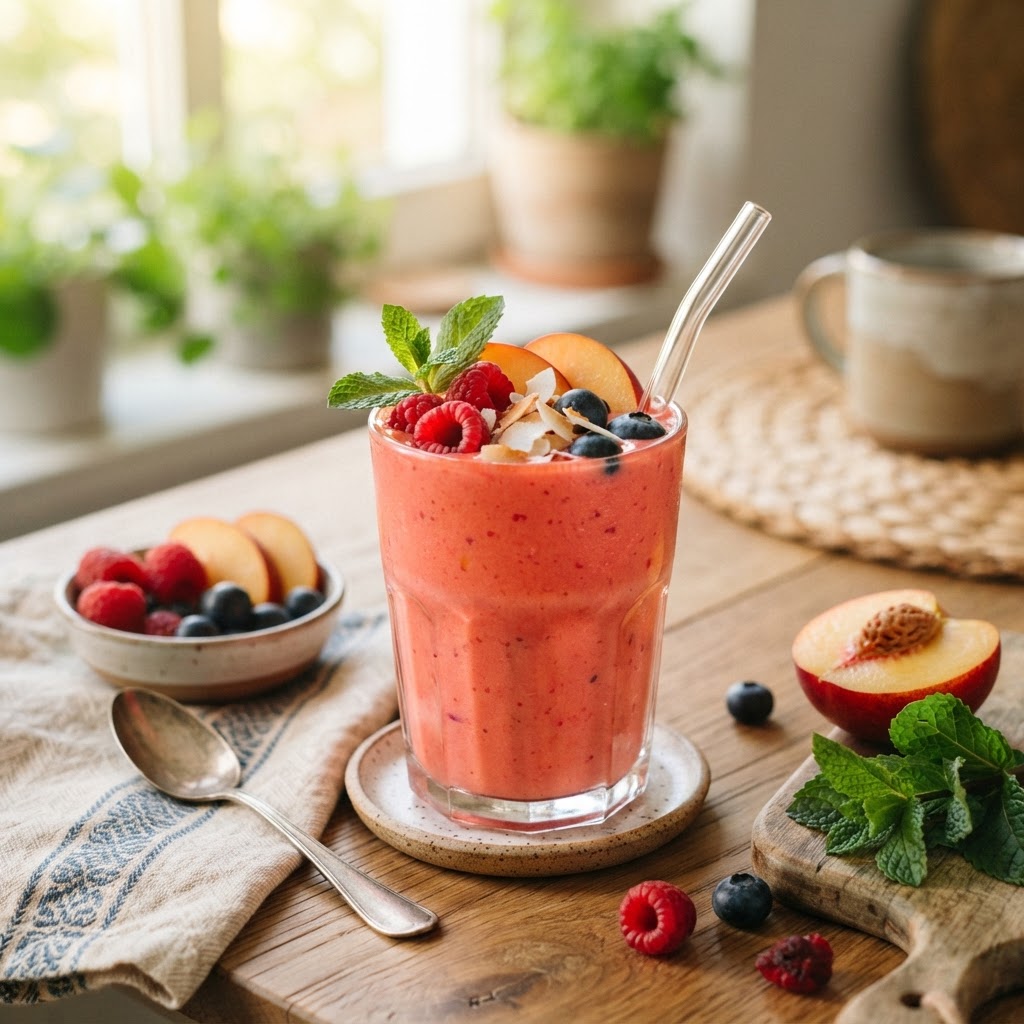
Nectarine Berry Smoothie
A light and fruity smoothie perfect for hydration and vitamin intake.
Frequently Asked Questions
Are nectarines safe for a Type 2 Diabetic diet?
Yes, when consumed in moderation, nectarines have a relatively low glycemic index compared to other fruits. Their fiber content helps mitigate blood sugar responses.
Do I need to peel a nectarine before eating it?
No, unlike peaches, nectarines have thin, smooth skin that is perfectly edible and packed with beneficial fiber and antioxidants.