Grapefruit
Slightly bitter citrus rich in vitamin C and antioxidants.
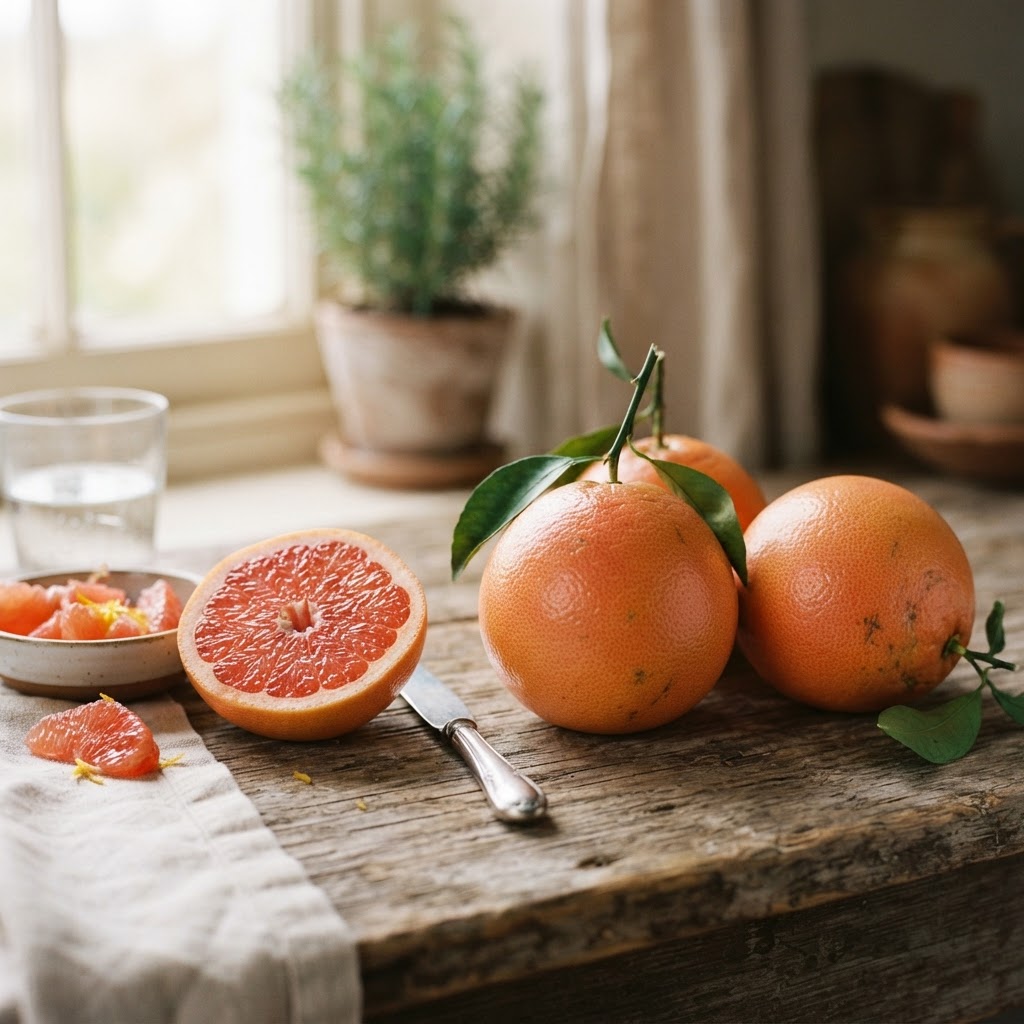
Grapefruit is a vibrant, citrus powerhouse that brings a refreshing tartness and a splash of sunshine to your morning routine. Known for its distinct pink or ruby-red pulp, this nutrient-dense fruit is as celebrated for its bold, invigorating flavor as it is for its remarkable impact on metabolic and cognitive wellness.

Quick Facts
Nutrition Snapshot
Health Benefits
What the Research Says
Clinical studies have indicated that half a grapefruit before meals can aid in weight loss and improve insulin resistance in individuals with metabolic syndrome.
Preliminary studies indicate that citrus flavonoids may help reduce neuroinflammation and improve blood flow to the brain, which is a focal point for dementia prevention research.
How to Cook It
Preparation Tips
- •Broil grapefruit halves with a sprinkle of cinnamon to caramelize the sugars and mellow the bitterness.
- •Add grapefruit segments to savory salads with avocado and arugula to balance the citrus acidity.
- •Use fresh grapefruit zest in marinades for fish to add a bright, aromatic lift without extra salt.
Flavor Pairings
- •Avocado
- •Cinnamon
- •Fresh Mint
- •Wild Salmon
Storage Tips
- •Keep at room temperature for the juiciest fruit if you plan to eat it within a few days.
- •Store in the crisper drawer of your refrigerator to extend shelf life for up to three weeks.
How to Pick the Best One at the Store
Selection Tips
- •Choose fruit that feels heavy for its size, which indicates a high juice content.
- •Look for firm, smooth skin that is slightly soft to the touch rather than rock-hard.
- •Avoid fruit with soft spots, deep indentations, or patches of mold near the stem.
- •Look for a bright, vibrant color on the rind, as deep hues often indicate a sweeter, more flavorful interior.
Recipes Using Grapefruit
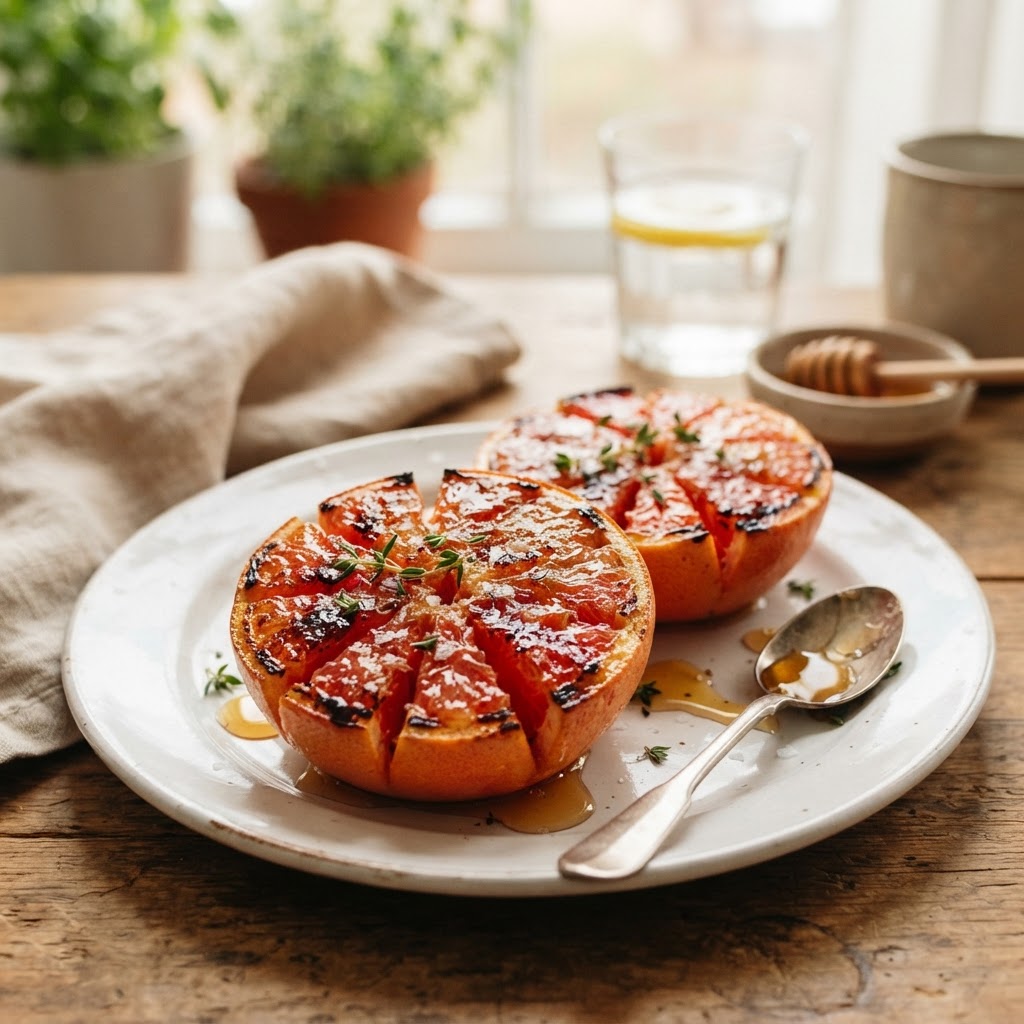
Broiled Grapefruit with Honey
A warm, tangy breakfast option that provides a gentle antioxidant boost.
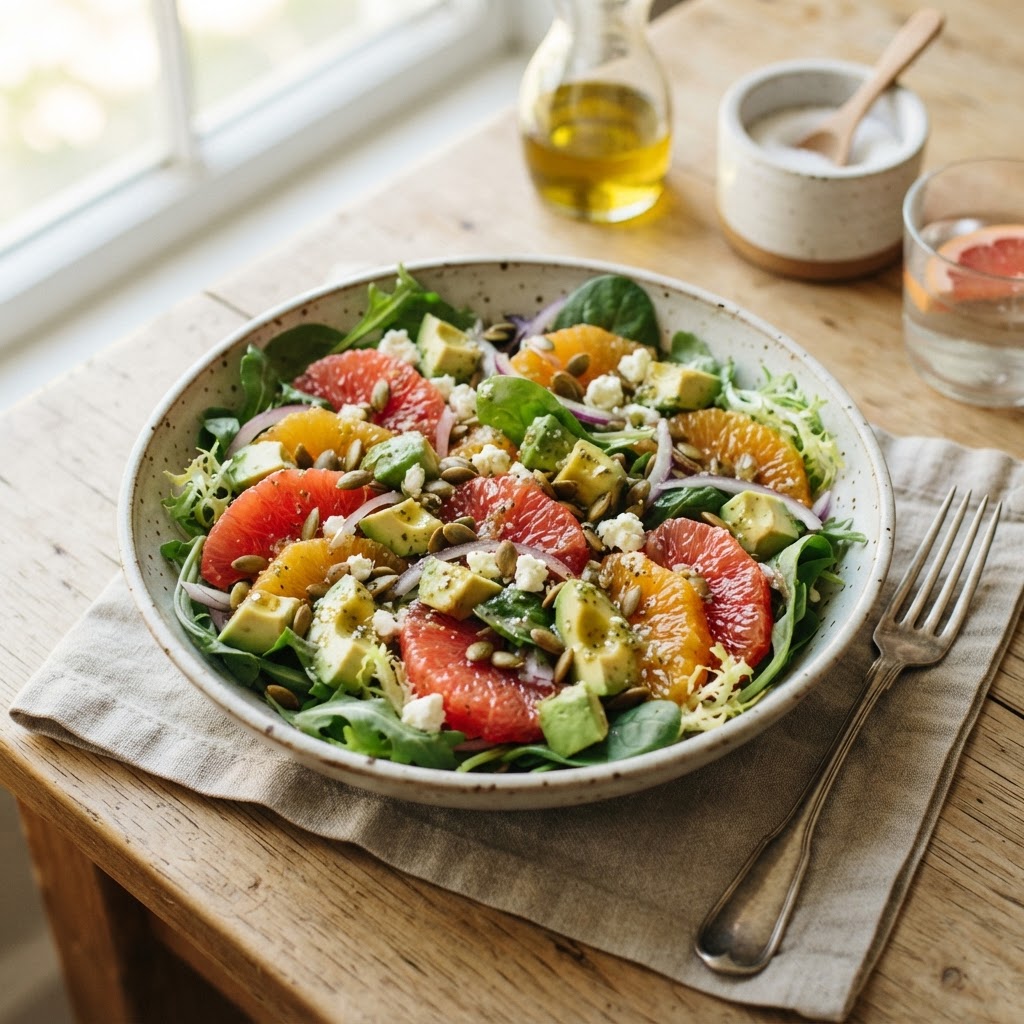
Grapefruit and Avocado Salad
A sophisticated salad combining healthy fats with the bright acidity of grapefruit.
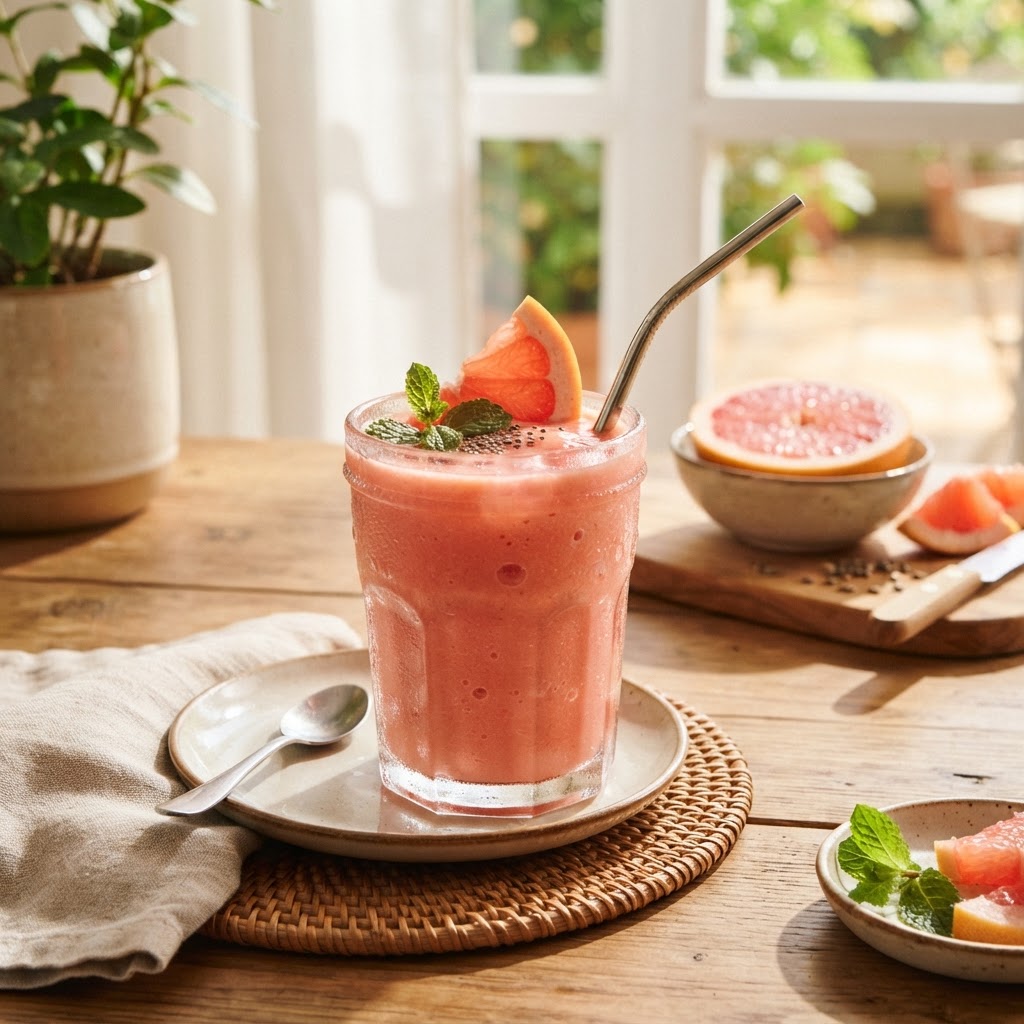
Grapefruit Energizer Smoothie
A tart and invigorating smoothie to start your day with natural energy.
Frequently Asked Questions
Does grapefruit interact with my medication?
Yes, grapefruit contains compounds that can interfere with how your liver processes certain medications, such as statins or blood pressure drugs. Always check with your doctor if you are taking prescription medication.
How can I make grapefruit less bitter?
The bitterness is primarily found in the white pith. If you segment the fruit carefully, removing as much of the pith and membrane as possible, you will find the flavor much sweeter.