Figs
Sweet fruit with edible seeds, high in fiber.

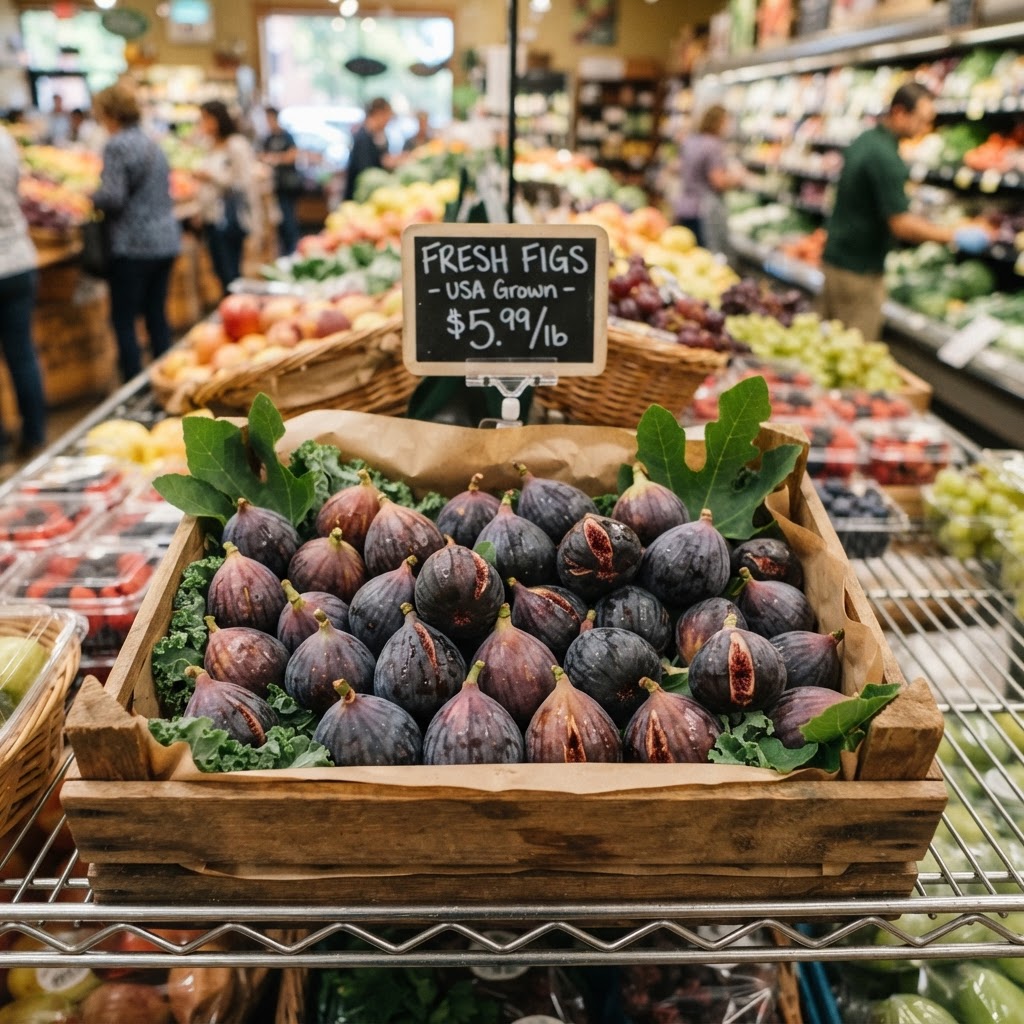
Figs are nature's elegant, honey-sweet jewels, celebrated for their unique internal texture and subtle, earthy aroma. Beyond their delicate flavor, these ancient fruits serve as a nourishing bridge between culinary indulgence and functional support for a balanced, healing lifestyle.
Quick Facts
Nutrition Snapshot
Health Benefits
What the Research Says
While figs contain natural sugars, their high fiber content can help modulate the rate of glucose absorption, potentially supporting more stable blood sugar levels compared to refined sweeteners.
Preliminary studies suggest that the combination of calcium and magnesium in figs may play a role in supporting bone mineral density when consumed as part of a varied, nutrient-dense diet.
How to Cook It
Preparation Tips
- •Roast halved figs with a drizzle of balsamic vinegar to intensify their natural sweetness.
- •Poach fresh figs in light tea or spices for a refined, low-sugar dessert alternative.
- •Incorporate sliced figs into warm oatmeal to add natural texture and mineral content.
Flavor Pairings
- •Goat cheese
- •Walnuts
- •Balsamic glaze
- •Fresh thyme
Storage Tips
- •Place figs in a single layer on a paper towel-lined plate to prevent bruising.
- •Keep them away from pungent produce like onions to avoid flavor absorption.
How to Pick the Best One at the Store
Selection Tips
- •Look for fruit that is slightly soft to the touch with a rich, uniform color.
- •Avoid figs that appear shriveled, bruised, or have a sour or fermented aroma.
- •Ensure the stem is intact and not dry, as this indicates a fresher harvest.
- •Select figs with a slight 'droop' at the neck, which often signals peak ripeness.
Recipes Using Figs

Fig and Goat Cheese Toasts
A sophisticated snack featuring fiber-rich figs to support gut health and digestion.

Roasted Fig and Arugula Power Salad
Nutrient-packed salad featuring roasted figs that offer a touch of natural sweetness.

Fig and Banana Recovery Smoothie
A creamy smoothie utilizing figs for a boost of natural minerals post-activity.
Frequently Asked Questions
Can people with Type 2 Diabetes safely eat figs?
Yes, in moderation. While figs contain natural sugars, their high fiber content helps manage the glycemic response, making them a better choice than processed sweets.
Do I need to peel a fresh fig before eating it?
No, the skin of a fig is thin, nutrient-rich, and entirely edible; simply wash it gently and enjoy the whole fruit.