Cauliflower
Versatile cruciferous vegetable, low in carbs and high in fiber.
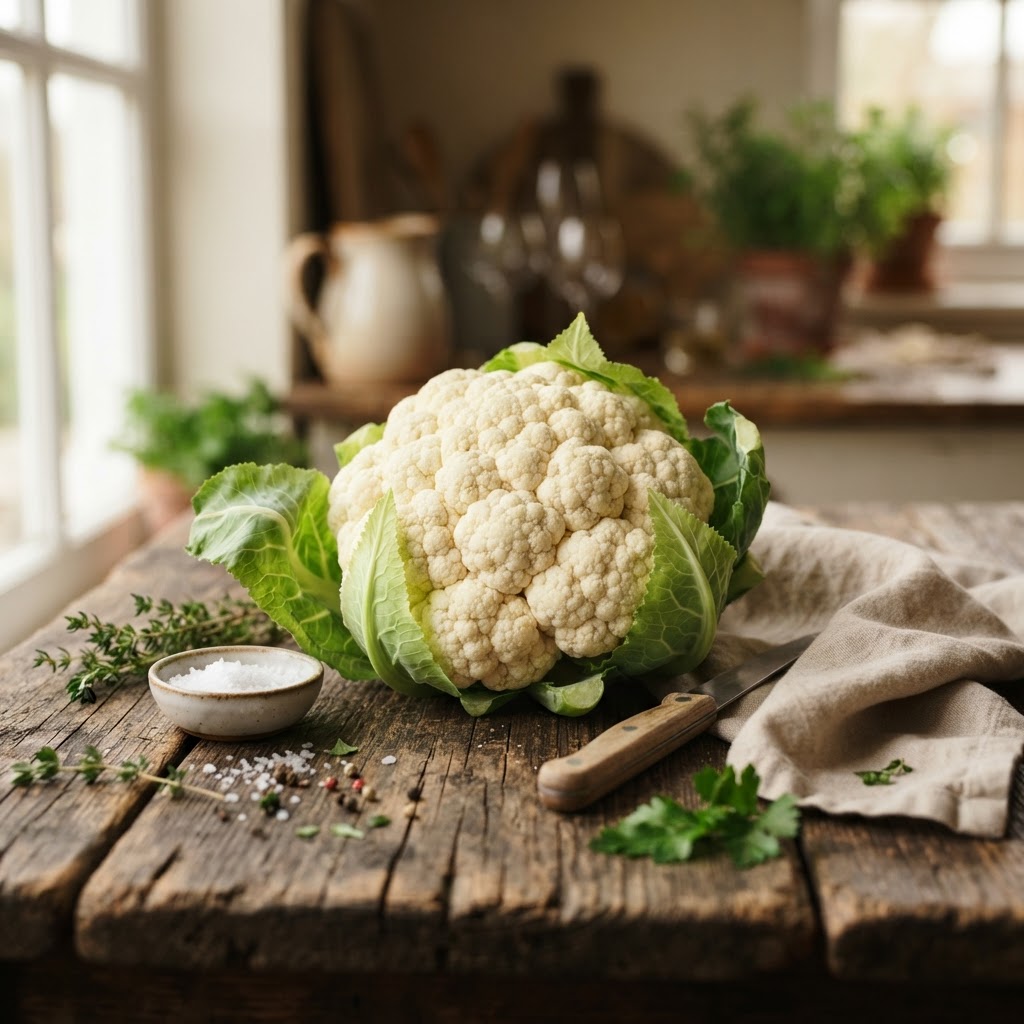
Cauliflower is a versatile, nutrient-dense cruciferous vegetable that acts as a perfect canvas for healthy, plant-forward cooking. With its mild flavor and adaptable texture, it provides essential nourishment that supports steady energy levels and brain health for those in recovery or managing chronic conditions.
Quick Facts
Nutrition Snapshot
Health Benefits
What the Research Says
Studies suggest that sulforaphane may activate the Nrf2 pathway, which promotes the body's natural antioxidant defenses to protect brain cells from oxidative stress.
Extensive epidemiological research indicates that a high intake of cruciferous vegetables is consistently linked to lower systemic inflammation and improved markers of insulin sensitivity.
How to Cook It
Preparation Tips
- •Roast cauliflower florets at 400°F (200°C) until the edges are caramelized to maximize natural sweetness.
- •Pulse raw cauliflower in a food processor to create 'rice' for a low-carb alternative to grains.
- •Don't discard the leaves; they are edible and delicious when sautéed with garlic and olive oil.
Flavor Pairings
- •Lemon juice and zest
- •Toasted cumin and turmeric
- •Garlic and tahini
- •Parmesan cheese and black pepper
Storage Tips
- •Keep cauliflower head-side down to prevent moisture from pooling in the florets, which can lead to rot.
- •Do not wash the vegetable until you are ready to use it, as excess moisture accelerates spoilage.
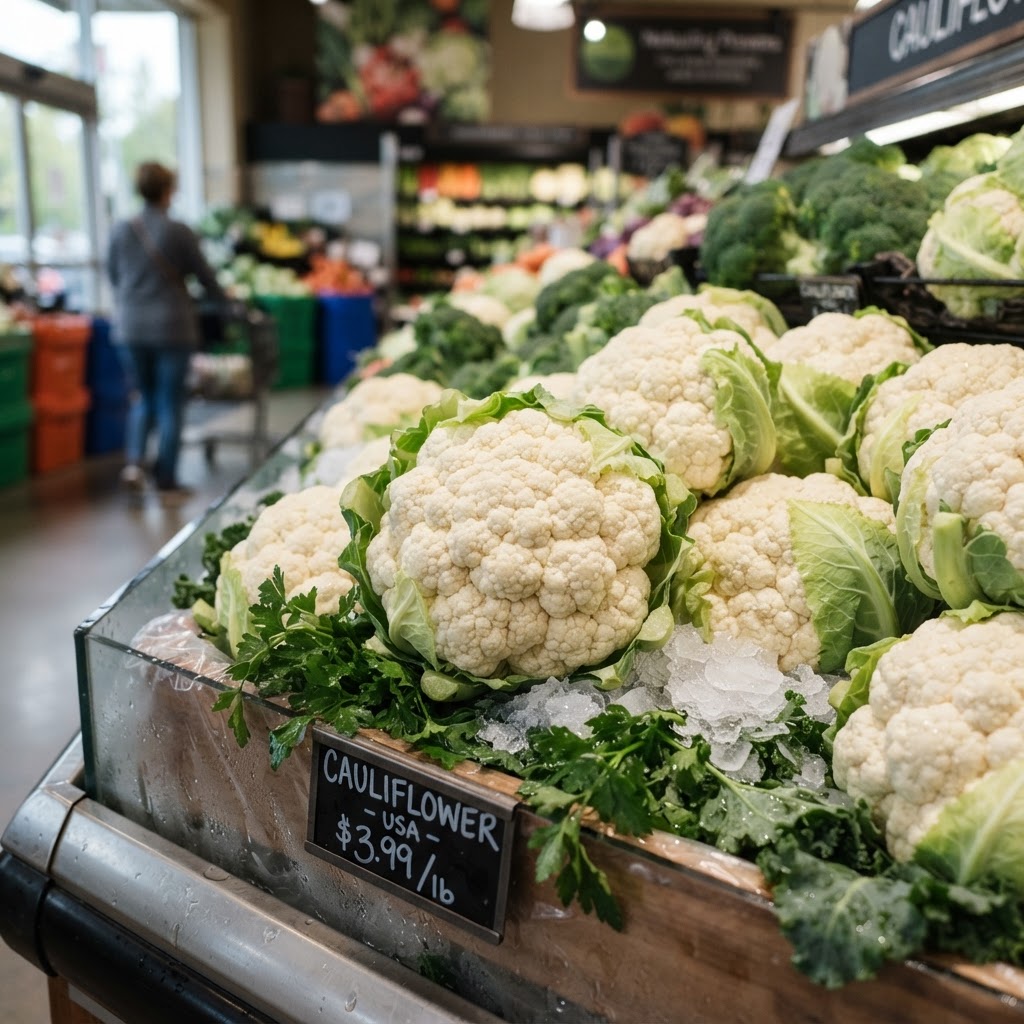
How to Pick the Best One at the Store
Selection Tips
- •Look for a head with tightly packed, firm florets and no signs of browning or dark spots.
- •Ensure the leaves attached to the base are vibrant green and crisp, not wilted or slimy.
- •The head should feel heavy for its size, indicating high water content and freshness.
- •Avoid heads with 'rice-like' or fuzzy textures, which indicate the cauliflower has passed its peak freshness.
Recipes Using Cauliflower

Roasted Turmeric Cauliflower Steaks
Hearty cauliflower steaks seasoned with anti-inflammatory turmeric for a recovery-supporting dinner.
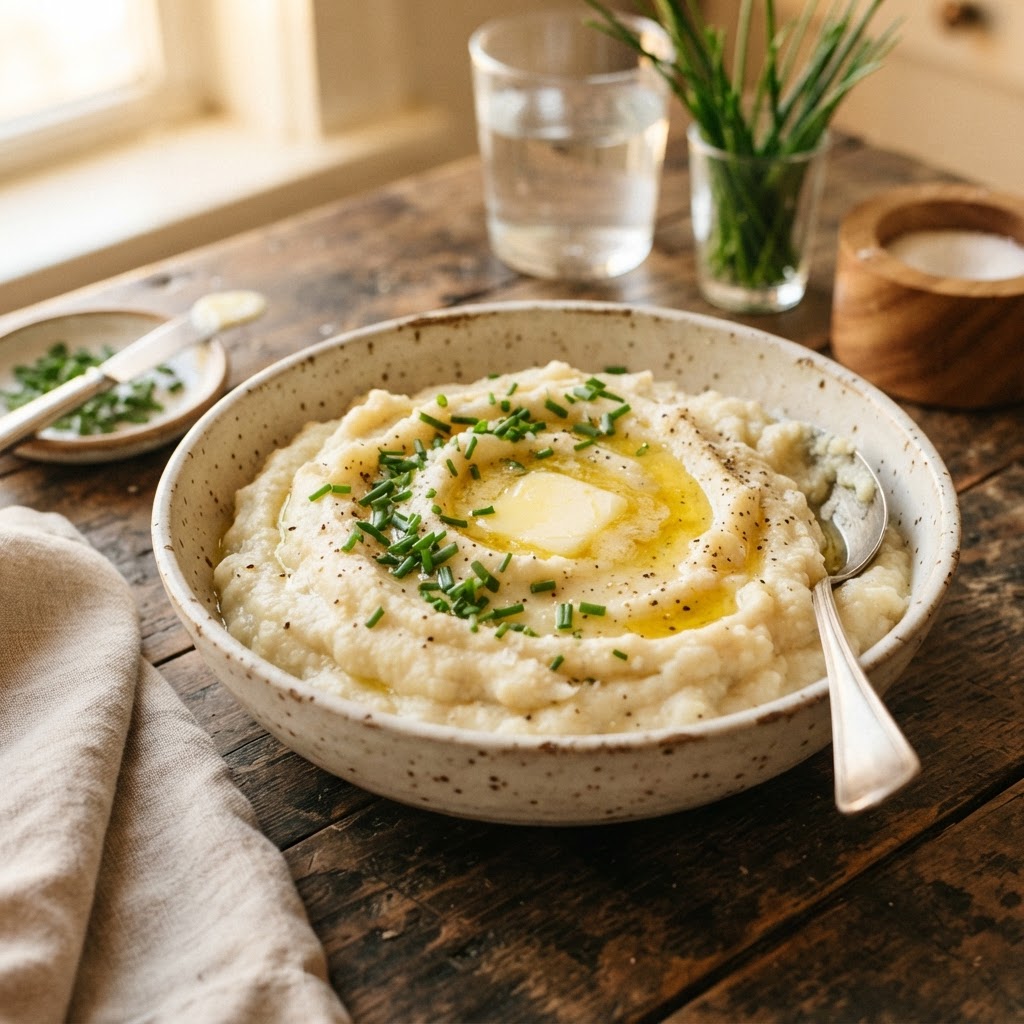
Creamy Cauliflower Mash
A low-carb, nutrient-dense alternative to mashed potatoes that supports steady energy.
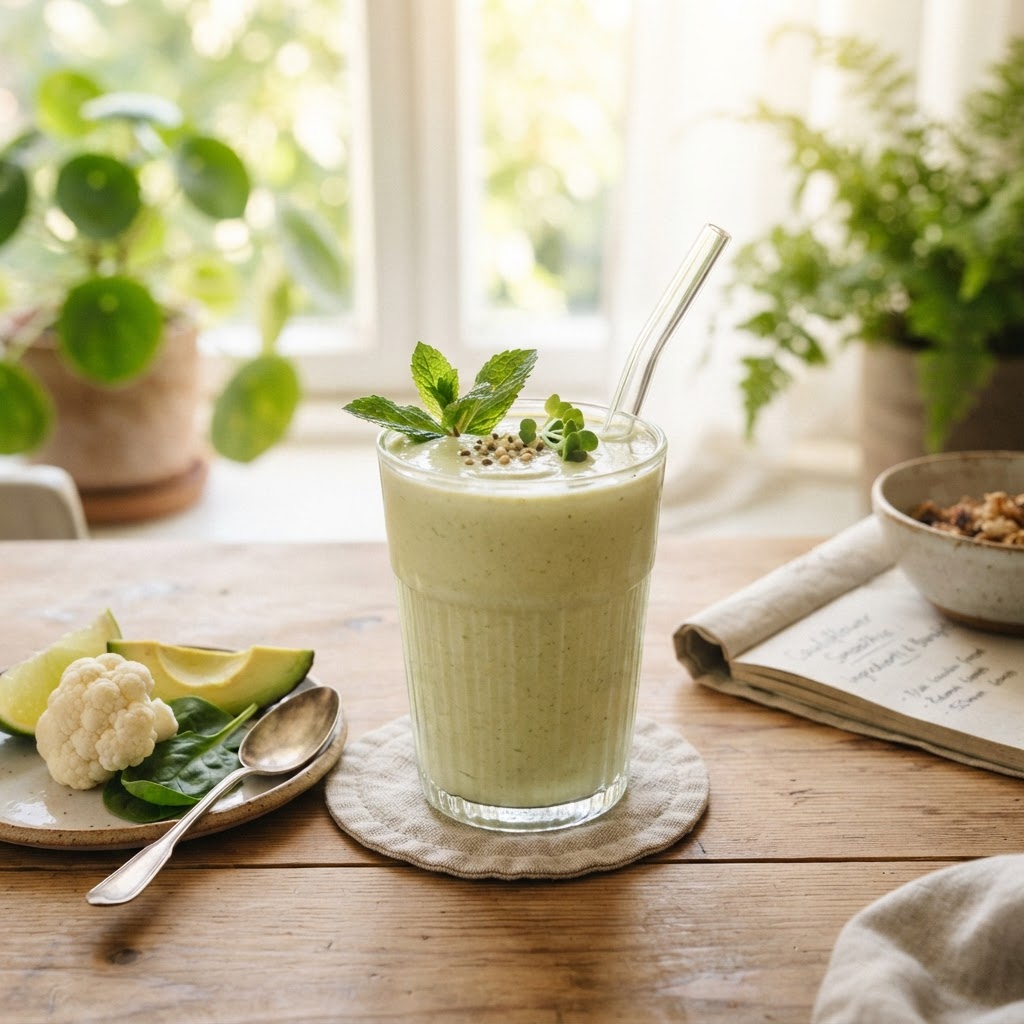
Cauliflower Power Smoothie
Frozen cauliflower adds creaminess to this recovery-friendly morning smoothie without altering the flavor.
Frequently Asked Questions
Is cauliflower better for you raw or cooked?
Both forms provide nutrients, but cooking breaks down tough cell walls, making some minerals and compounds like sulforaphane more bioavailable.
Can cauliflower actually replace grains for diabetes management?
Yes, cauliflower provides a similar texture to starches like rice or potatoes while containing significantly fewer carbohydrates, which prevents blood glucose spikes.