Bananas
Naturally sweet fruit high in potassium and quick energy.
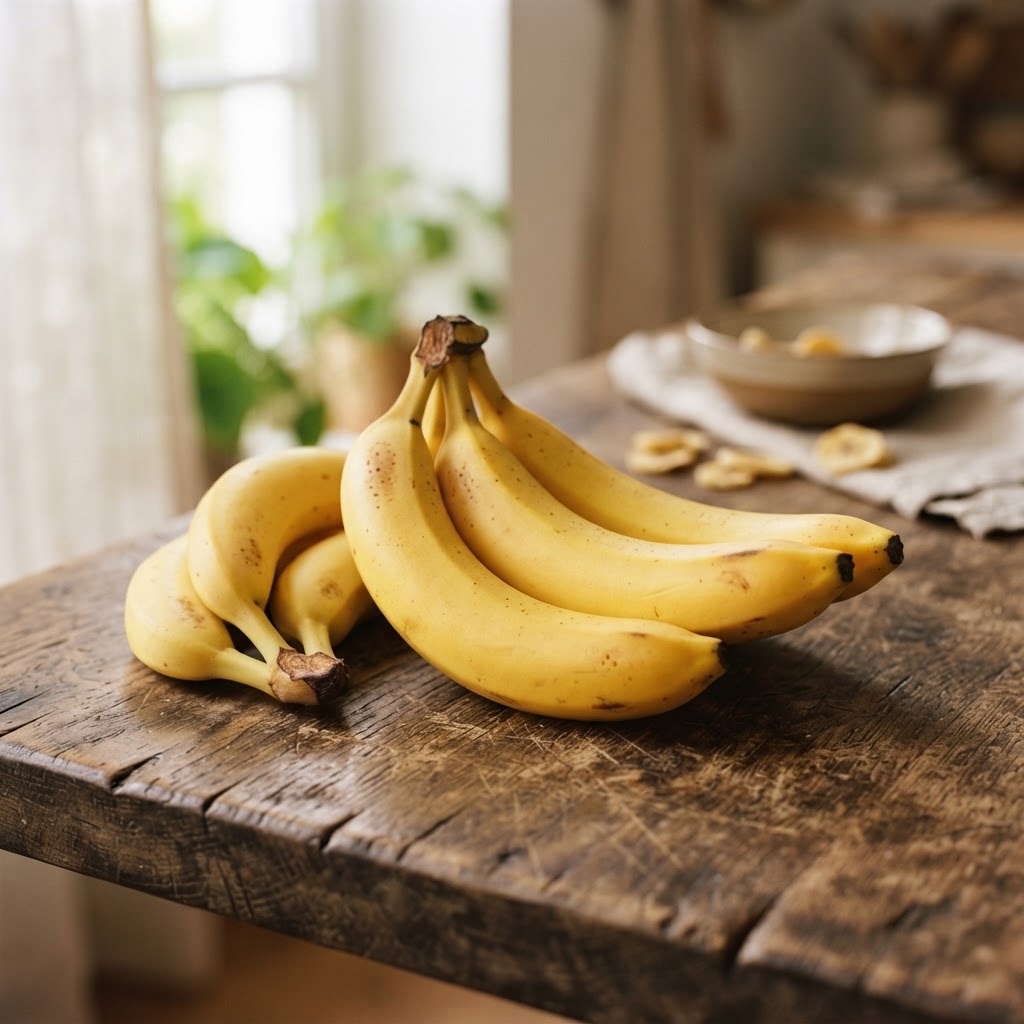
Bananas are a convenient, nutrient-dense fruit that provides a steady source of energy through a combination of natural sugars and fiber. Their gentle texture and mild flavor make them an ideal pantry staple for those seeking easily digestible, nourishing snacks that support both physical stability and mental clarity.
Quick Facts
Nutrition Snapshot
Health Benefits
What the Research Says
Studies suggest that the resistant starch found in less-ripe, green bananas can help improve insulin sensitivity and glucose control, which is beneficial for metabolic health.
Current research examines how adequate Vitamin B6 intake helps lower homocysteine levels, a potential biomarker for cognitive decline and neurodegenerative risks.
How to Cook It
Preparation Tips
- •Use overripe bananas as a natural sweetener in oatmeal to avoid spiking blood sugar with refined alternatives.
- •Freeze slices for a creamy, dairy-free base in nutrient-dense recovery smoothies.
- •Bake with almond flour and walnuts for a brain-boosting, lower-glycemic snack.
Flavor Pairings
- •Walnuts
- •Cinnamon
- •Dark Chocolate
- •Almond Butter
Storage Tips
- •Keep them away from other fruits, as the ethylene gas they release will accelerate the ripening of surrounding produce.
- •Wrap the stems in plastic wrap to slow down the ripening process if you have a large bunch.
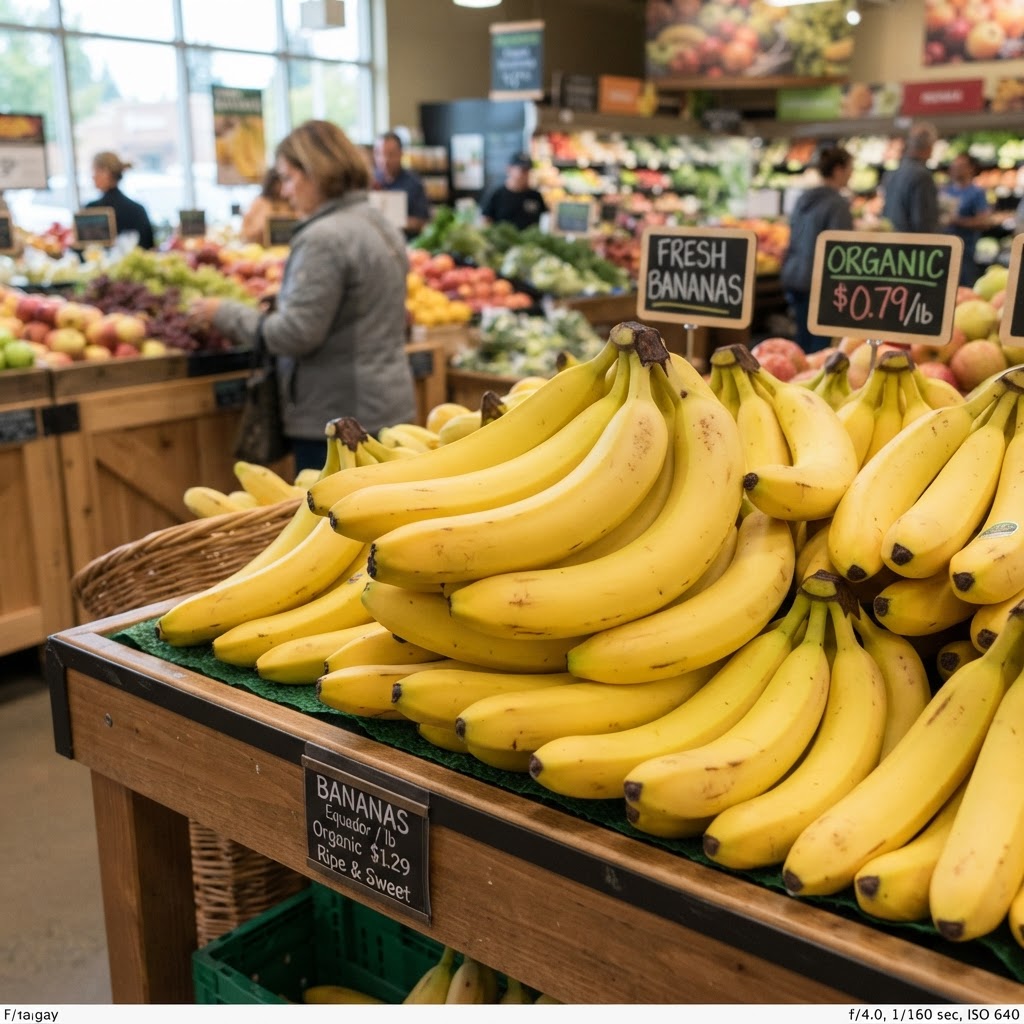
How to Pick the Best One at the Store
Selection Tips
- •Look for uniform, bright yellow skin without large, dark bruises or splits.
- •Check the stem; it should be firm and securely attached, indicating freshness.
- •Select slightly green bananas if you do not plan to eat them for a few days.
- •Avoid bananas that feel soft or mushy at the base, as this may indicate internal over-ripening.
Recipes Using Bananas
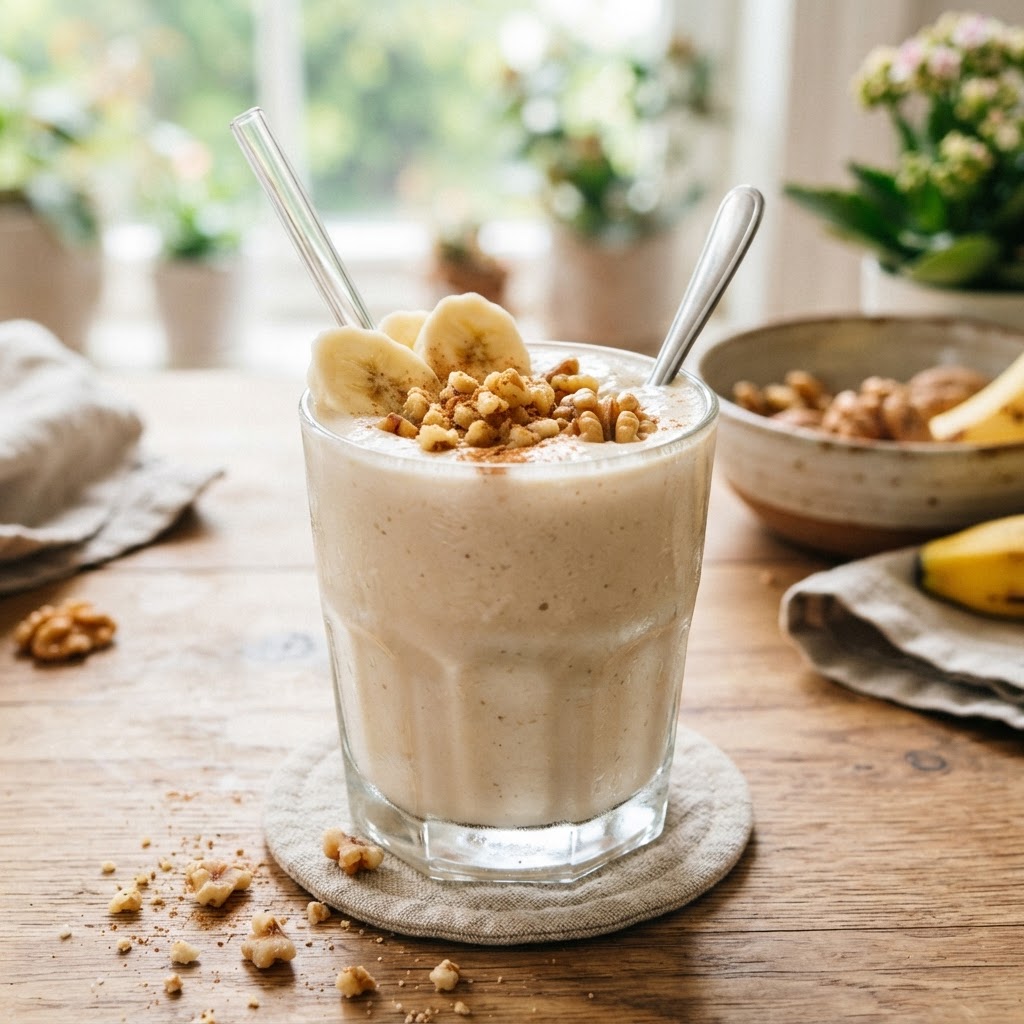
Classic Banana Walnut Smoothie
Rich in potassium and omega-3s, this smoothie supports steady energy and mood stability.
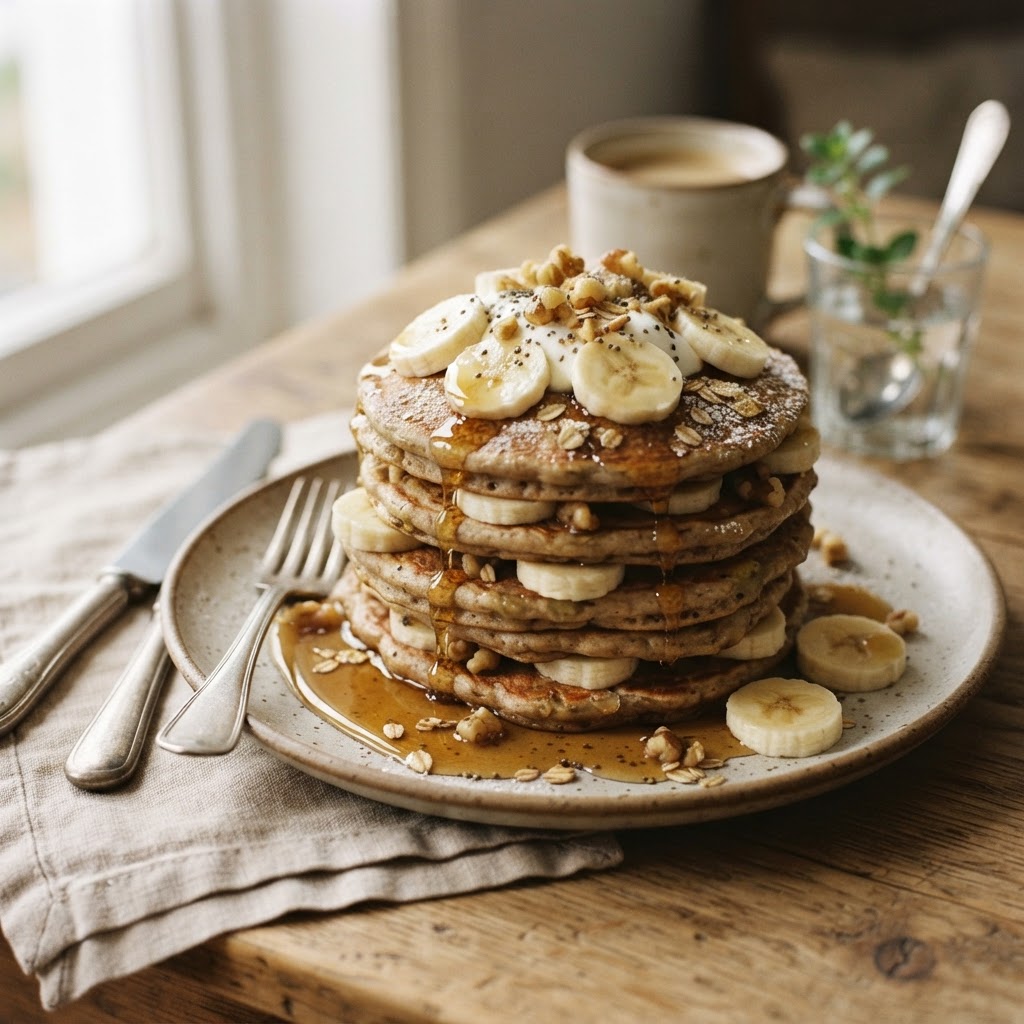
Banana Protein Pancakes
Wholesome morning fuel using bananas to replace refined sugars for steady blood glucose levels.
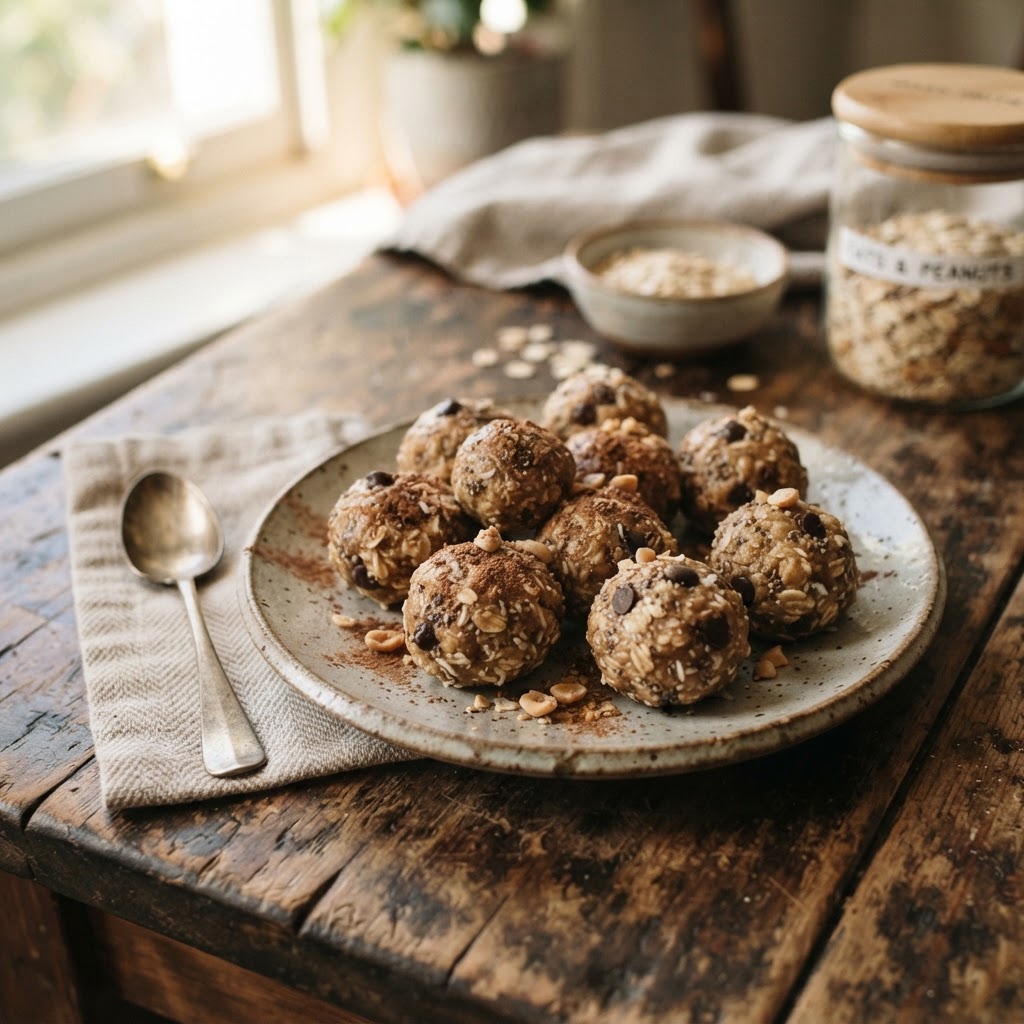
Banana Peanut Butter Bites
An easy, nutrient-dense snack perfect for quick bursts of clean energy.
Frequently Asked Questions
Can people with Type 2 Diabetes eat bananas?
Yes, in moderation. Choosing slightly less-ripe bananas provides more resistant starch, which has a lower impact on blood glucose levels compared to very ripe, soft bananas.
How do bananas support addiction recovery?
Bananas provide steady energy and nutrients like B6 and magnesium, which help soothe the nervous system and manage the mood swings often experienced during the recovery journey.